

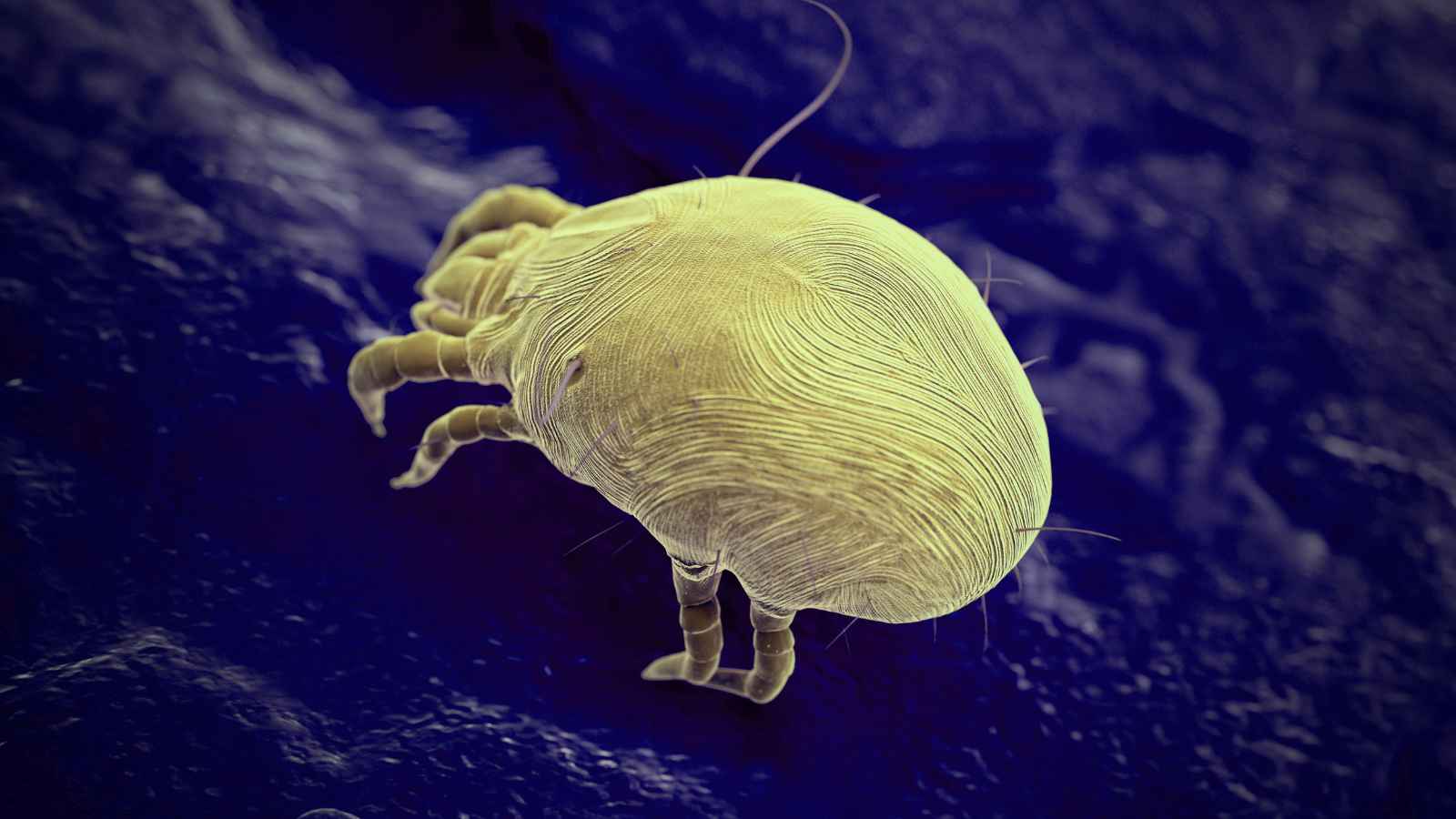
These microscopic dust mites make up large numbers and nest in warm, humid places— your bed is the perfect nesting place for them. They’re invisible to the naked eye and can seriously take a toll on your health and comfort.
For people with asthma or allergies, they can cause several symptoms. Identifying dust mites is important in order to figure out what can be done to minimize their effect on your health. Here are 10 warning signs that your bed might be harboring these unwelcome guests to help reclaim your restful sanctuary.
You Have Itchy Skin

Sometimes, itchy skin can be an early warning sign that your bed is being infested with dust mites. Allergic skin reactions can occur when these microscopic critters release proteins from their feces and other body parts. These substances then become airborne when you move in your sleep or make your bed, and are inhaled or deposited on the skin.
Medical News Today says that eczema can be caused by dust mites, but only for people with a propensity to eczema. Since they are so abundant, their presence can add to joint ailments made worse by allergies like dermatitis or eczema that result in continual itchiness.
Your Sleep Is Disrupted

One overlooked indicator that dust mites have infested your bedding is sleep disruption. As they proliferate, they can cause allergies and respiratory issues, creating frequent awakenings and poor quality sleep.
The most often reported dust mite sleep-related complaints included poor quality sleep (50.3 percent of adults and 37.3 percent of children), snoring (48.1 and 41.4 percent), and consequent awakening (37.6 and 28.2 percent), according to the National Library of Medicine.
You Have a Dry Cough

A dry cough that persists, particularly a dry cough significantly worsened at night or soon after waking, may suggest you have dust mites resident in your bed. Dust mites feed primarily on dead skin cells and reproduce rapidly, producing allergens that can trigger respiratory symptoms.
If these allergens are inhaled, they can irritate the respiratory tract, often with symptoms like a dry cough that does not improve. Washing bedding in hot water regularly, using dust-proof covers, and keeping bedroom humidity low are all effective methods of reducing the number of dust mites and the associated health risks.
There Are Visible Signs of Dust

If you can see visible signs of dust, like a thin film on bed surfaces, it could be indicative of an ideal dust mite habitat. Dust mites live on the film of dust that’s on your bedding, which includes things like your dead skin cells, pet dander, and organic materials.
The National Library of Medicine reports that it’s not uncommon to discover thousands of mites in a single gram of house dust. Daily monitoring of the dust levels, as well as maintaining a clean environment for sleeping, helps rid you of any potential health risks of these microscopic, odious creatures.
Musty Odor in the Bedroom

A musty odor in your bed may be a sign that you have a dust mite infestation. Although they are microscopic, dust mites leave behind excrement and fragments of their bodies, which can accumulate in bedding, creating that distinctive musty odor.
They occur most often where moisture and warmth are retained in consistently used, poorly ventilated, or improperly laundered bedding.
Babies Often Get Reddish Skin Around the Cheeks

An allergic reaction could cause reddish skin around a baby’s cheeks, possibly due to dust mites in the bed. They are common triggers for allergies, especially in babies whose immune systems are still growing.
Babies can develop allergic symptoms manifested as red, itchy skin in the cheek area or even respiratory troubles like coughing and sneezing. Reactions can be prevented by keeping the sleeping area clean, washing bed linen with hot water on a regular basis, using allergen-protected mattress covers, and keeping humidity in the bedroom at a low level.
Difficulty Breathing at Night
Not being able to breathe properly at night is scary and can be a sign that your bed is full of dust mites. Dust mites can cause allergic reactions and symptoms of asthma, such as nasal congestion and difficulty breathing, and these flare when you’re sleeping.
If you are allergic to these allergens, symptoms include wheezing, coughing, nasal congestion, and trouble breathing, so it’s important to keep the sleeping environment clean.
You Have Dry, Itchy Eyes

Dry, itchy eyes upon waking can be a lot more than just temporary irritation — it may be caused by dust mites in your bedding. These mites feed on dead skin cells, leave waste particles that become airborne, and can irritate the eyes.
Allergens in dust mite feces are known proteins that can cause allergic reactions in susceptible individuals, appearing as dryness, itchiness, and redness of the eyes. Because these symptoms often mimic other eye irritations, it can be difficult to identify the actual problem without some testing.
Continual Sneezing

If you keep sneezing constantly – especially when you wake up – that’s a huge warning sign your bed may just be infested with dust mites. The proteins in the wastes and decomposed bodies of dust mites, which are among the common indoor allergens, produce this reaction.
The Cleveland Clinic article states that dust mites are one of the principal causes of perennial allergic rhinitis, as characterized by persistent sneezing and nasal irritation.
Asthma Episodes

A recurring cause of asthma attacks in the nighttime or early morning hours could mean that dust mites have attached themselves to your bed. In people with asthma, dust mite allergens can cause flare-ups of their symptoms, including wheezing, coughing, and trouble breathing.
Allergen-proof bed covers and washing bedding frequently in hot water (at least once a week) will help reduce exposure to these allergens and prevent asthma episodes. By keeping a vigilant approach towards reducing dust mite presence, people can make their sleep environment a bit healthier.