
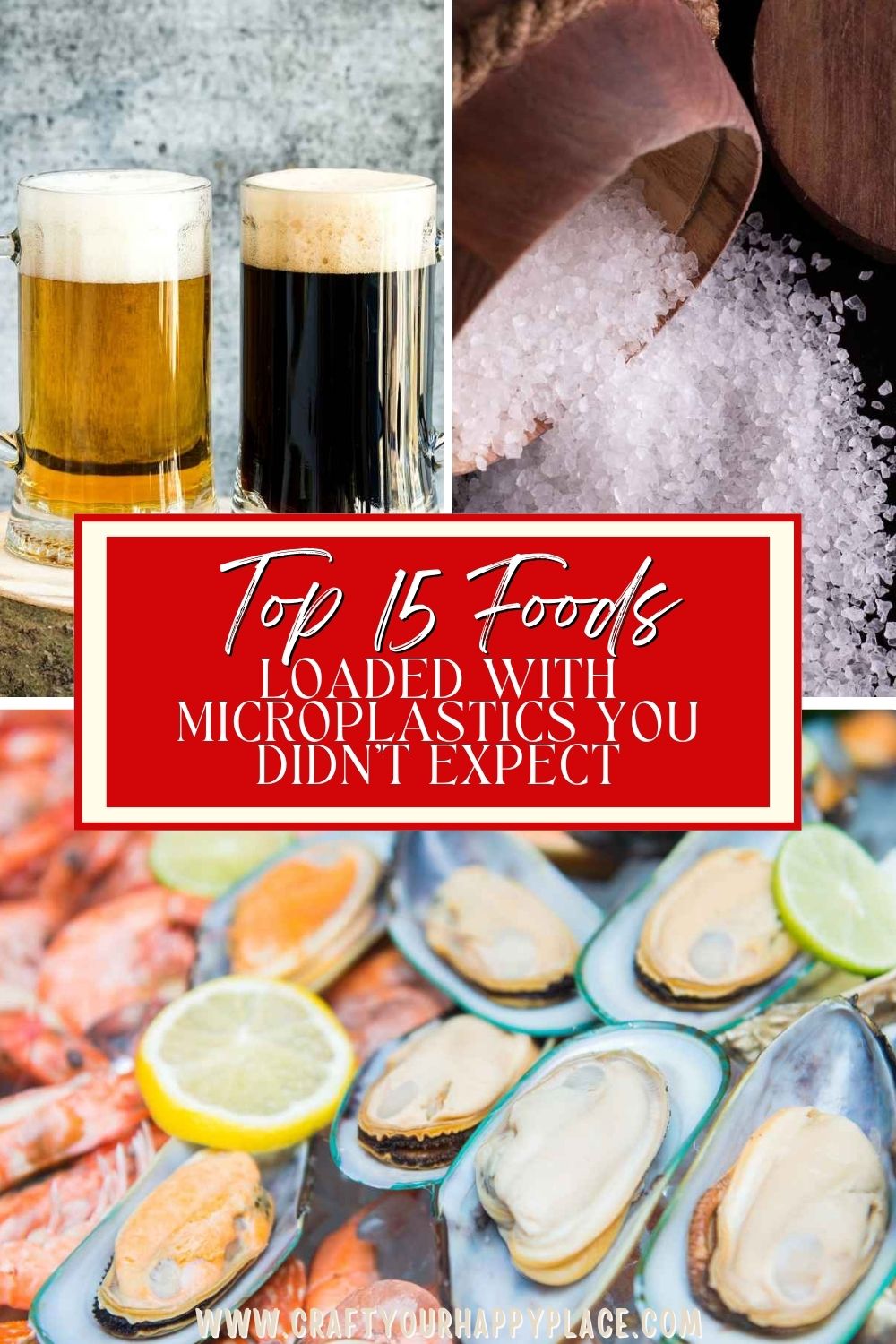
The source of microplastics — tiny plastic particles smaller than 5 millimeters in size — is larger plastic debris that breaks down as time goes by. They can end up on our plates by making their way into the food chain through soil, water, and air.
It’s important to understand what foods might be adversely affected as we attempt to lower exposure and devise ways to eliminate them from our diets. Here are the top 15 foods that have microplastics in them you probably didn’t expect.
Sea Salt

Microplastics in sea salt come from the massive amounts of plastic that enter our oceans yearly. These are broken down into very small pieces that are then eaten by marine organisms and make their way into sea salt as a byproduct of evaporation.
To make a healthier choice, choose Himalayan pink salt or rock salt, which is mined and less likely to be contaminated with microplastics. These salts still require careful monitoring and testing, but in general, they undergo fewer processes that could introduce impurities.
Canned foods

The packaging process itself can be a source of contamination because the microplastics from the lid sealant can move to the food itself. As an example, seafood is often packaged in cans and presents an even higher risk, given the already high levels of microplastics found in the marine environment.
If you want to stop consuming microplastics from canned foods, try opting for fresh or frozen options. For example, choosing fresh fish, as opposed to canned versions, means you are benefiting from Omega-3 fatty acids and not taking in the additional risk of microplastic consumption.
Chewing gum

Like the plastics found in car tires, these microplastics come from the synthetic polymers used in the gum base. Microplastics are used in gum to help add texture or act as binding agents.
Natural chewing gums from sustainable sources, such as chicle (a natural latex from the sapodilla tree), are a chemical-free alternative. Not only do these alternatives cut down on exposure to possible microplastic ingestion, but they also claim to be environmentally friendly with biodegradable materials.
Beer

The microplastics can arise from many different sources – from water used in brewing to plastic packaging and even the production equipment itself. A wider environmental issue created by plastic pollution is highlighted by the growing presence of microplastics in consumable goods like beer.
If you are looking for healthier alternatives, then you can choose beverages with minimal processing and packaging. Locally produced and organic beers might also be considered a safer option since they typically observe stricter environmental regulations and practices.
Bottled Water

Many of these microplastics come from the breakdown of larger pieces of plastic packaging that leak into the water. Many different types of microplastics have been discovered, and among the most common are polyethylene terephthalate (PET) and polypropylene, which are used very extensively in the production of bottles.
The healthier option is to consume filtered tap water or to have high-quality, certified water filters to remove as many potential contaminants, including microplastics, as possible. Stainless steel or glass water bottles are great if you don’t want plastic.
Fish and Shellfish

Fish and shellfish mistake plastic particles as food and bury them in their digestive systems, eventually turning them into microplastics. It’s a problem for species like mussels, oysters, and shrimp, which filter through a lot of water there and consume plastics.
A safer choice may be to choose organically farmed fish that are less exposed to pollutants of the marine environment. Another way to keep ourselves free from microplastic contamination would be to boost our consumption of plant-based proteins; legumes, nuts, and seeds are crucial and beneficial for our health.
Sugar

These particles are often contaminated by polypropylene or polyethylene, packaging, or storage processes. If microplastics in sugars are ingested frequently, they can add up over time and have adverse health effects.
If you don’t want to be in touch with microplastics, you can choose to avoid sugar and opt for a healthier sweetener like organic honey, maple syrup, or stevia. In addition to having similar sweetness and adding some other health benefits, lower glycemic index, as well as natural antioxidant properties, these alternatives do not require extra processing steps, and there is no risk of contamination.
Tea Bags

Much of the polypropylene used to seal many leading brands’ tea bags can break down when the tea bag is heated by hot water, making it a potential source of microplastics. Mostly, these are tiny plastics from PET (polyethylene terephthalate) or nylon bags, and they can be harmful to your health if they are digested.
If you are health-conscious, loose-leaf teas are something to consider — no teabags, no issue with microplastics being absorbed. To further minimize microplastic ingestion even more, another option is to use a stainless steel or glass tea infuser to give you a more traditional brewing experience.
Chicken

Chickens can eat microplastics through feed contaminated with these or pecking at the ground, which often holds them. The National Library of Medicine performed an experiment which showed the presence of MP particles in chickens’ gizzard and crop; larger MP particles, 300~500 μm, were much more prevalent than 300~150 μm and 150~50 μm.
If you stick to organic or grass-fed turkey, this can greatly limit the number of microplastics, as this often means stricter feed guidelines and more control measures. Another nutritious, microplastic-free protein source includes plant-based proteins such as lentils, quinoa, and chickpeas.
Rice
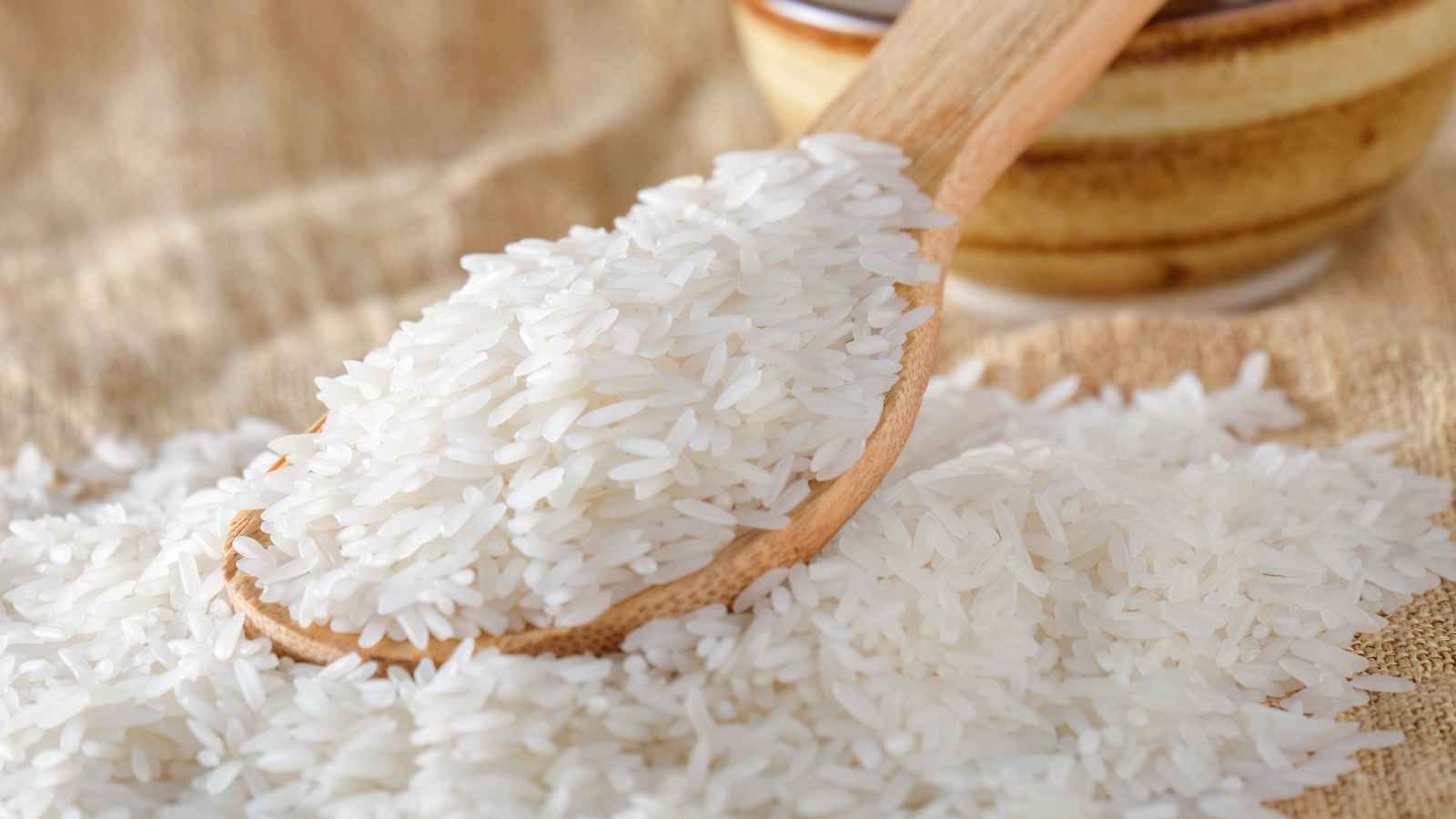
Over time, the microparticles originating from packaging materials or polluted water sources accumulate in rice. University of Queensland research found that people eat three to four milligrams of plastic with every 100 grams of rice they eat, or 13 milligrams per serving of instant rice.
Reducing exposure to plastic can be done by buying bulk whole grains from stores that use as little packaging as possible and by buying grains packaged in glass or cardboard containers. Rinsing rice before cooking will also help reduce some surface contaminants and reduce your risk of microplastic ingestion.
Soft Drinks

While these drinks are inherently refreshing, they are also implicated in troubling microplastic contamination, almost entirely behind the scenes. Breakdown of bottle materials and contamination at bottling can also be the source.
Infused water with fresh fruits and herbs is refreshing and healthy, as are homemade iced tea in water and freshly squeezed fruit juices if your goal is to have healthier drinks. In addition to these, they minimize the risk of microplastic ingestion, and they provide essential vitamins and antioxidants to ensure a healthy lifestyle.
Milk

They are inadvertent intrusions occurring during the processing, packaging, and distribution of plastics. Plastic containers and lids are common culprits of contaminating milk. In order to avoid exposure to these contaminants, try going for organic or raw milk from farms committed to their farming practices to be as sustainable and ecologically friendly as possible.
Additionally, plant-based milk alternatives like almond, oat, or soy milk present a safer option, which is particularly the case if they come from brands focused on cutting plastic usage and promoting eco-friendly packaging solutions.
Fruits and Vegetables

The source of this contamination primarily comes from the microplastics in soil irrigation water and the use of plastic sheets in agriculture. Both apples and carrots are the most contaminated fruits and vegetables, respectively, according to the first peer-reviewed study by University of Catania scientist Margherita Ferrante.
You can limit the intake of microplastics through diet by choosing organic produce when feasible to avoid plastic-based fertilizers and mulches used in organic farming. Another sustainable option is growing your own produce at home, if possible, meaning you can have control over your environmental exposure.
Bread

The microplastics that find their way into bread can have come via the flour, the packaging, or the water being used in the process itself. Other forms of airborne plastic dust can also be deposited on bread within food production facilities to contaminate it further.
Homemade bread options are available to those ready if the ingredients you use are organic and have not been exposed to plastic. In addition, by using alternative grains and bread substitutes like spelt, rye, or sourdough, you’ll enjoy variety as well as reduce your intake of highly processed bread products.
Ready Meals

More recently, ready meals, handy for our busy lives, have also been drawn as a new source of unintentional contact with microplastics. Oftentimes, these particles come from the packaging, which is typically plastic and is then transferred onto the food during heating or storage.
We can lessen these risks by choosing fresh or home-cooked meals with whole ingredients and low plastic packaging. Simple but nutritious alternatives such as homemade vegetable stir fries, salads, and grain and legume-based soups with in-season ingredients can reduce exposure to microplastics and still provide good nutrition and health.