

Approximately 133 billion pounds (31% of the total food supply) in America is wasted each year, according to the Environmental Protection Agency (EPA). Up to 18% of U.S. methane emissions from landfills result from food waste. Much of this originates from foods spoiling in the fridge. We’d like to believe that the fridge is some sort of magical preservation box, but some foods don’t last long, even when chilled.
It’s surprising, but 50% of food waste in the United States consists of perishable products, such as fruits, vegetables, and dairy. Many of these items could last much longer with better storage. Read on to discover 15 common foods that spoil faster than you think and how to prevent your fridge from becoming a food graveyard.
Berries
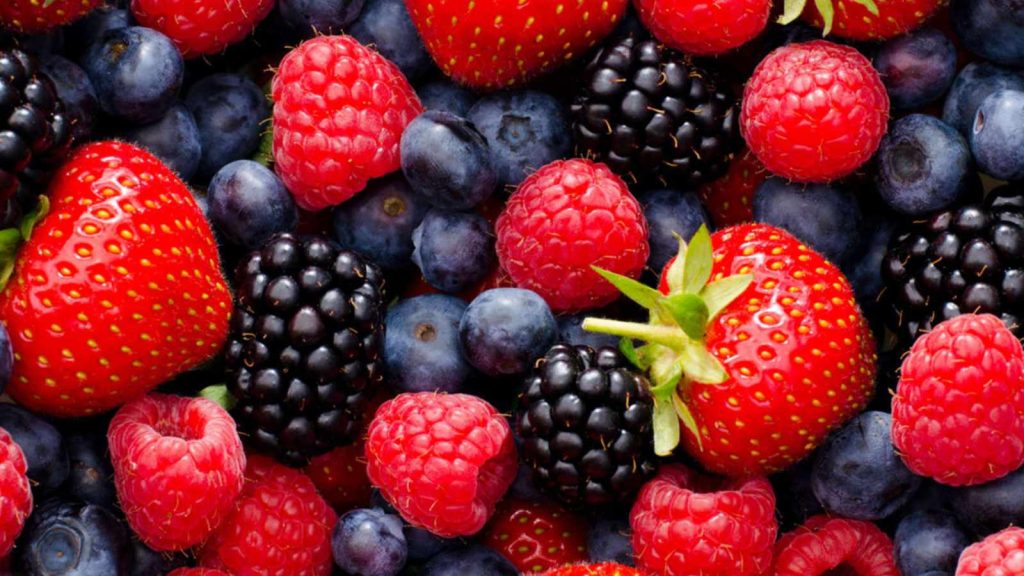
Berries like strawberries, raspberries, and blueberries look like they belong in the fridge, but their delicate skins and high moisture content make them especially prone to mold. The USDA highlights that they can turn bad in at least three days if not being stored correctly.
To extend their life, keep them unwashed in a breathable container or in a single layer lined with paper towels.
Tomatoes
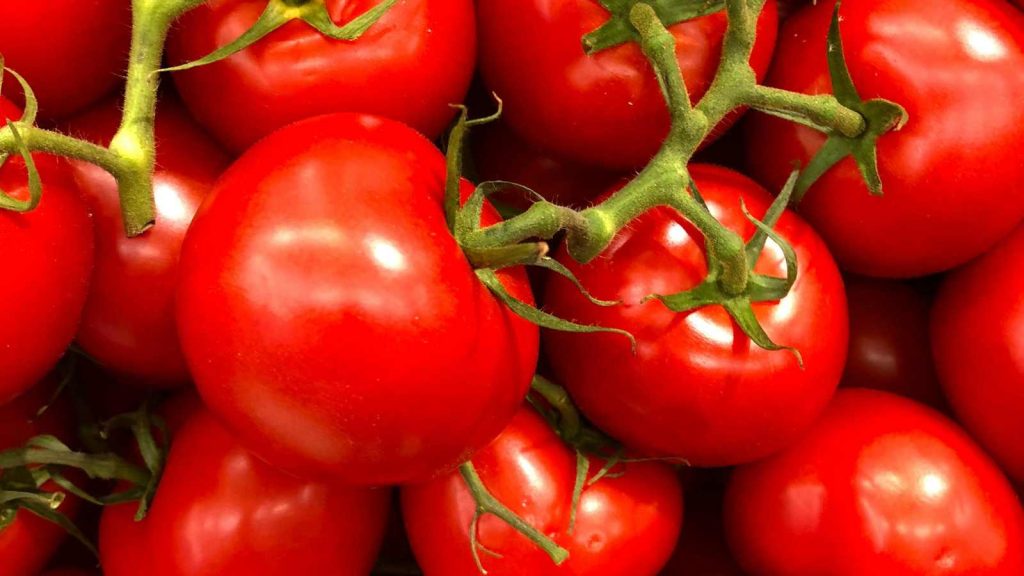
Refrigerated tomatoes quickly lose their flavor and texture, becoming mealy and bland. They ripen more slowly under refrigeration, but faster if they are already ripe.
To keep tomatoes juicy and delicious, store them at room temperature and refrigerate only those you won’t be using right away.
Leafy Greens

Due to their high water content, spinach, lettuce, and kale wilt and go bad quickly. Left untended, they can turn slimy within a week if stored improperly.
Keep them crisp by wrapping them in paper towels and storing them in a sealed bag or container in your fridge’s crisper drawer.
Fresh Herbs

Parsley, basil, and cilantro are infamous for immediately wilting and blackening overnight. Herbs such as these, the USDA says, will last longer if treated like flowers, a jar of water with a loose plastic bag to cover it.
However, basil prefers to stay out of the cold and should be stored at room temperature.
Mushrooms

Mushrooms quickly spoil because they absorb moisture easily, becoming slimy and unappealing to eat in just a day or two.
Store them in a paper bag to wick away any extra moisture since freezing will destroy their texture. Don’t store them in plastic containers or bags that retain humidity.
Avocados

Unripe avocados can take forever to ripen, or spoil outright, if refrigerated too early. They typically last for about 2 to 3 days in the fridge after they’ve ripened and begin to go brown.
To make avocados last longer and minimize air exposure, cut them in half, store them with the pit intact, and cover them tightly.
Dairy Milk

Given that milk is a fridge staple, you’d assume that it has a long shelf life. However, it’s actually quite short, particularly for milk stored in the door, where temperatures fluctuate. The USDA says milk will last longer if it’s kept in the coldest part of the fridge, which is typically in the back of the bottom shelf.
Make sure your fridge is set to the correct temperature, somewhere between 37°F (3°C) and 40°F (4°C). Seal the carton tightly so that it does not absorb smells.
Soft Cheeses

Harder versions of cheese, such as Swiss and cheddar, spoil more slowly than their softer counterparts because they contain less moisture. Once opened, they don’t stay good for more than a week, developing mold or off flavors.
Wrap them in parchment or wax paper and store them in an airtight container so as to extend their life.
Cooked Rice

Rice doesn’t keep as long in the fridge as you would like it to due to its susceptibility to Bacillus cereus bacteria, which causes food poisoning.
As home expert Martha Stewart advises, cooked rice should be put in shallow dishes to let it chill quickly. Eat within 3-4 days, and make sure that if reheating, it is thoroughly reheated.
Deli Meats

Once opened, sliced deli meat such as turkey, ham, or salami begins to spoil in about 3 or 5 days and is exposed to air and moisture.
For the meats to stay longer, throw them in an airtight container or resealable bag and let them sit in the coldest part of the fridge. Don’t let condensation form inside the packaging.
Fresh Seafood

Of all the fastest-spoiling foods, raw fish and shellfish generally don’t last more than 1-2 days in the fridge.
The FDA recommends storing them in a leakproof container surrounded by ice to preserve freshness, and if you aren’t going to cook them right away, freeze them.
Eggs

Although eggs have a longer shelf life than most foods on this list, they will spoil more quickly if left in the fridge door, where the temperature fluctuates. Store eggs on a middle shelf in their original cartons for the best freshness.
Eggs can be properly stored for 3-5 weeks, but check for off smells or discoloration.
Fresh Juice

Store-bought juices contain preservatives and can stay fresh for a long time, while fresh juice does not. In fact, fresh juice starts fermenting quickly, whether you put it in the fridge or not.
Others, like carrot or green juice, only last 2-3 days, although citrus-based juices can last a bit longer. To slow oxidation, put them into a tightly sealed glass container.
Potatoes

Refrigeration turns raw potatoes’ starches into sugar, so it’s best to store them in a cool, dark place outside the fridge. When you refrigerate them, they will go bad faster, develop a sweet taste, and sprout.
Refrigerate cut or cooked potatoes in an airtight container and use within 3-4 days.
Bread

Refrigerating your bread slows mold growth to a point, but it dries it out and makes it stale very quickly compared to the bread left at room temperature.
To keep bread fresh, store it in a cool, dry place. The perfect solution is a breadbox, but a paper or plastic bag will work just as well.