Perennial vegetables are one of the best investments you can make in your garden. Unlike annual crops that need to be replanted every year, these dependable plants return season after season with very little extra work. Once they’re established, many will provide fresh harvests for years while saving you time, money, and effort.
If you’re looking for a garden that produces more with less maintenance, these 12 perennial vegetables are well worth planting.
Asparagus
Asparagus is one of the longest-lasting vegetables you can grow. A healthy asparagus bed can continue producing tender spears for 20 to 25 years with proper care. It grows well in many climates, doesn’t require much attention once established, and is packed with fiber, vitamin C, and vitamin K.
Related: 15 Vegetables That Attract Beneficial Pollinators
Rhubarb
Rhubarb is a dependable perennial that returns early each spring, often before many other crops begin growing. Its tart stalks are a favorite for pies, crisps, jams, and other baked treats. It performs best in cooler climates and also contains antioxidants that help protect your cells from damage.
Horseradish
Horseradish is a hardy root crop that spreads easily and comes back every year. Its sharp, spicy flavor makes it a popular addition to sauces, marinades, and dips. The root has also been used for generations as a home remedy for clearing congested sinuses, and it contains compounds that support the body’s natural defenses.
Related: 13 Surprising Vegetables That Thrive Without Soil
Jerusalem Artichokes
Also known as sunchokes, Jerusalem artichokes are members of the sunflower family that produce crisp, edible tubers beneath the soil. They grow in a wide range of soils and require very little attention once planted. Their slightly sweet, nutty flavor works well roasted, mashed, or added to soups and stews.
Fennel
Fennel is grown for its crunchy bulb, feathery leaves, and flavorful seeds. It prefers full sun and well-drained soil, making it a good choice for gardens with plenty of light. Its mild licorice flavor pairs well with fish, salads, and roasted vegetables. Fennel has also been linked to healthy digestion, and some studies have examined its natural plant compounds for their possible health benefits.
Related: 11 Low-Maintenance Vegetables for Beginner Gardeners
Chard
Swiss chard can act as a perennial in mild climates, producing fresh leaves for several seasons. The colorful stems brighten the garden, while the leaves have a mild flavor that works well in salads, soups, casseroles, and stir-fries. Chard is also a good source of vitamins A, C, and K.
Chives
Chives return every spring with fresh green shoots that are ready to harvest again and again. Their mild onion flavor works well on potatoes, eggs, soups, and salads without overpowering other ingredients. The flowers are edible, too, and attract pollinators. Chives also contain natural plant compounds with antibacterial properties.
Related: 14 Vegetables That Help Improve Soil Quality
Garlic
In many regions, garlic can be left in the ground to return each year. It’s one of the most widely used cooking ingredients, adding rich flavor to countless recipes. Garlic has long been valued for its potential health benefits, including supporting heart health and helping maintain a healthy immune system.
Leeks
Leeks are another member of the onion family that can survive winter in many climates and continue growing the following season. Their mild, slightly sweet flavor works well in soups, pasta dishes, and roasted vegetables. They’re also a good source of fiber and contain plant compounds linked to reduced inflammation.
Sorrel
Sorrel is an easy-care leafy perennial with a bright, lemon-like flavor. It grows well in partial shade and produces fresh leaves throughout much of the growing season. Add it to salads, soups, sauces, or egg dishes for a fresh, tangy taste. Sorrel also provides antioxidants and several vitamins.
Related: 10 Vegetables That Regrow From Kitchen Scraps
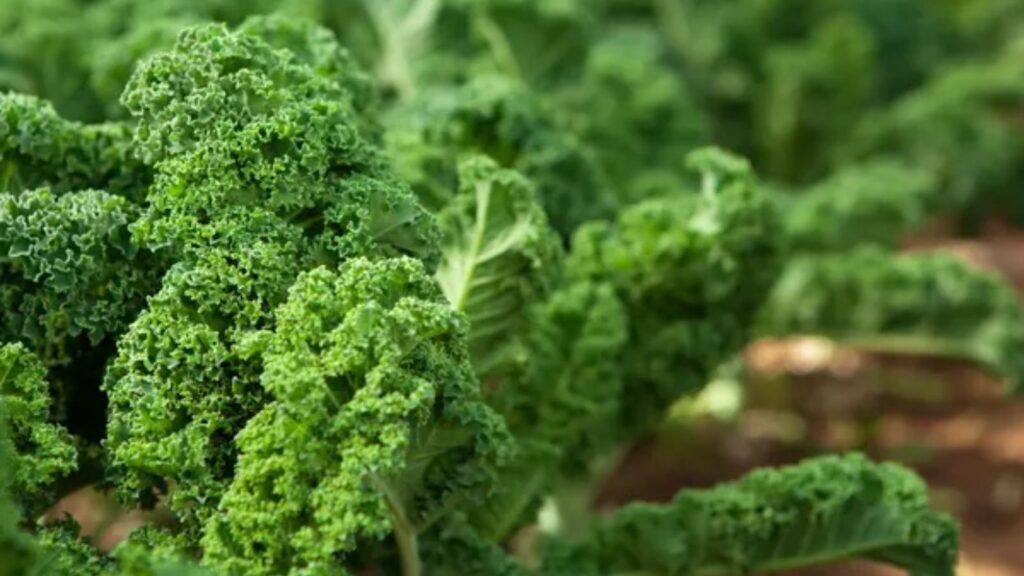
Kale
In areas with mild winters, kale often behaves like a perennial and keeps producing leaves for more than one season. It tolerates cool weather well, and many gardeners find the flavor improves after a light frost. Whether eaten fresh, sautéed, roasted, or blended into smoothies, kale delivers plenty of vitamins A, C, and K along with antioxidants.
Perpetual Spinach
Despite its name, perpetual spinach is actually a type of chard that keeps producing fresh leaves for months. It has a flavor similar to spinach but is more heat tolerant and continues growing through much of the season. Pick the outer leaves as needed, and the plant will continue sending up new growth. It’s rich in vitamins A and C and provides plenty of fiber for a healthy diet.