Clutter has a way of sneaking up on you. One day, the counters are clear, and the next, they’re covered with mail, random gadgets, and things that don’t seem to have a proper home.
Getting your house organized doesn’t mean spending an entire weekend sorting every drawer. A few practical habits can make a big difference, especially if you choose systems that fit the way you already live. Here are 15 simple ways to get your belongings under control and keep the mess from piling up again.
Declutter First
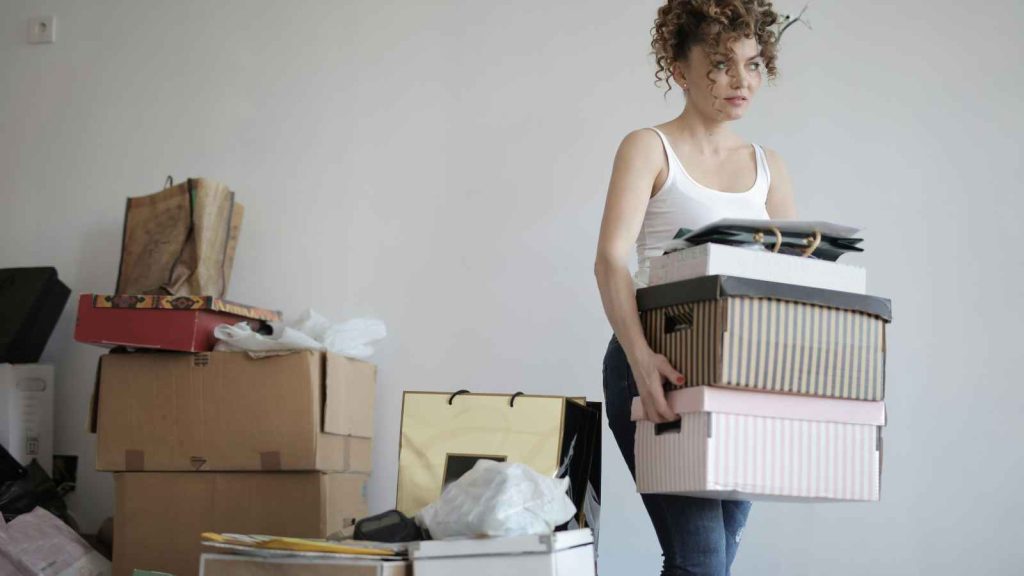
Before buying storage bins or rearranging shelves, get rid of the things you no longer use. There’s little point in finding a home for something you were already planning to toss.
Start with one room rather than pulling everything out of the house at once. Make separate piles for things you’re keeping, donating, selling, recycling, or throwing away.
Clothes that no longer fit, expired products, broken items, and things you haven’t touched in years are good places to start. Be honest about what you actually use. If something has been sitting untouched for a year, ask yourself whether you’re really going to miss it.
Categorize Your Belongings
Once you’ve cleared out the excess, group similar items together. This makes it easier to see what you own and can also keep you from buying something you already have.
Try basic categories such as clothing, shoes, kitchen supplies, electronics, paperwork, and cleaning products. From there, break them down further if needed.
For example, kitchen supplies could be divided into baking tools, cookware, food storage, and utensils. Smaller groups make it much easier to find things later.
Choose Storage That Fits Your Space
Storage should make your life easier, rather than give you another collection of containers to manage.
Bins, baskets, shelves, drawer dividers, and storage racks can all help, depending on the room. If floor space is limited, look upward. Wall shelves and hanging racks can give you extra storage without taking up valuable floor space.
Things you should never store on open shelves
Clear containers work well for items you don’t use every day because you can see what’s inside without opening every box.
Label Everything
Labels can save you from digging through five boxes just to find one small item.
Label bins, drawers, cabinets, and shelves so everyone knows where things belong. You don’t need an expensive label maker, either. Masking tape and a marker work just fine.
The goal is to make putting things away almost automatic. If everyone knows where something belongs, there’s less chance it will end up on the nearest table or counter.
Create Daily Habits
A tidy home is much easier to maintain when cleaning up becomes part of your normal routine.
Spend 10 minutes each evening putting things back where they belong. Put away shoes, clear the kitchen counters, return books to their shelves, and deal with any mail that came in that day.
You can also set aside one day each week for a quick reset. Small amounts of work done regularly are much easier than letting clutter pile up for months. Tips for maintaining a clean and organized home
Make Use of Vertical Space
Look at your walls and doors with fresh eyes. They can provide plenty of storage without making your rooms feel crowded.
Install sturdy hooks for coats, bags, or kitchen tools. Add shelves above a desk or doorway, and use wall-mounted organizers for mail, keys, and small household items.
In the kitchen, hanging pots and pans can free up cabinet space. In a small bathroom, a wall organizer can give toiletries a dedicated spot.
Choose Furniture With Storage
Furniture can do more than provide a place to sit or put things. Storage ottomans, beds with drawers, benches with compartments, and coffee tables with hidden storage can give you extra room for blankets, books, toys, and other items.
This can be especially helpful in smaller homes where every bit of storage counts. Keeping frequently used items close by also makes it easier to put them away after use.
Follow the One-In, One-Out Rule
Clutter often returns because new things keep coming into the house.
The one-in, one-out rule is a simple way to slow that down. For every new item you bring home, get rid of a similar item you no longer need.
Buy a new sweater? Donate one you rarely wear. Replace a kitchen gadget? Get rid of the old one if you don’t need both.
This habit also gives you a reason to pause before buying something just because it’s on sale.
Get Creative With Storage
You don’t always need traditional storage products. Look around your home for ways to reuse items you already have.
An over-the-door shoe organizer can hold toiletries, cleaning supplies, craft materials, or small accessories. A pegboard can keep kitchen tools within easy reach. Small jars can hold buttons, screws, craft supplies, hair accessories, and other tiny items.
A little creativity can turn an unused item into useful storage.
Make Use of Dead Space
Some of the best storage spots are places we tend to ignore.
The space under the bed can hold seasonal clothing, extra bedding, or luggage. The backs of doors can hold hooks and organizers. Narrow corners can accommodate slim shelves or small cabinets.
Even the space above cabinets may be useful for items you don’t reach for very often.
Creative storage ideas for handbags and purses
Before adding another piece of furniture, look around for unused areas that could serve the same purpose.
Create a Mail-Sorting System
Mail can quickly turn into a pile of unopened envelopes and paperwork.
Give incoming mail one designated spot. A small basket, wall organizer, or set of folders can keep everything together until you’re ready to deal with it.
Sort mail regularly. Recycle junk mail right away, file documents you need to keep, and set reminders for bills or other items that need attention.
This keeps paperwork from spreading across the kitchen counter, dining table, or home office.
Go Digital Where You Can
Paper takes up more room than you might realize. Scan documents you need to keep but rarely use, and store digital copies on a secure drive or cloud service.
Old photographs can also be scanned so you can enjoy them without keeping every box of prints.
Be careful with important original documents, though. Birth certificates, legal paperwork, property records, and other documents may need to be kept in physical form.
Keep Up With the System
Getting organized once won’t keep your house that way forever. Life happens, new purchases come home, and things get moved around.
Set aside a little time every few weeks to check your storage areas. If a particular system keeps falling apart, change it. The problem may be the system itself rather than your habits.
Organizing tips for a small bedroom
A good storage system should make everyday tasks easier, so don’t be afraid to rearrange things when something isn’t working.
Make the System Personal
There isn’t one perfect way to organize a home. What works for one family may drive another person crazy.
If you like colorful bins and labels, use them. If you prefer simple baskets and neutral storage, that’s fine too. Keep frequently used items within easy reach and place less-used belongings farther away.
Your storage system should fit your routines, your space, and the people who live there. The easier it is to use, the more likely everyone will stick with it.
Get the Whole Family Involved
Keeping a home organized shouldn’t fall on one person’s shoulders.
Give each family member responsibility for their own belongings and spaces. Children can put away their toys, sort their school supplies, and help with simple household tasks. Adults can handle their own paperwork, clothing, and personal items.
Make tidying part of the daily routine instead of waiting until the house is completely out of order.
Habits of people who keep an organized home
Once everyone knows where things belong and takes part in putting them away, keeping the house tidy becomes much less of a chore.