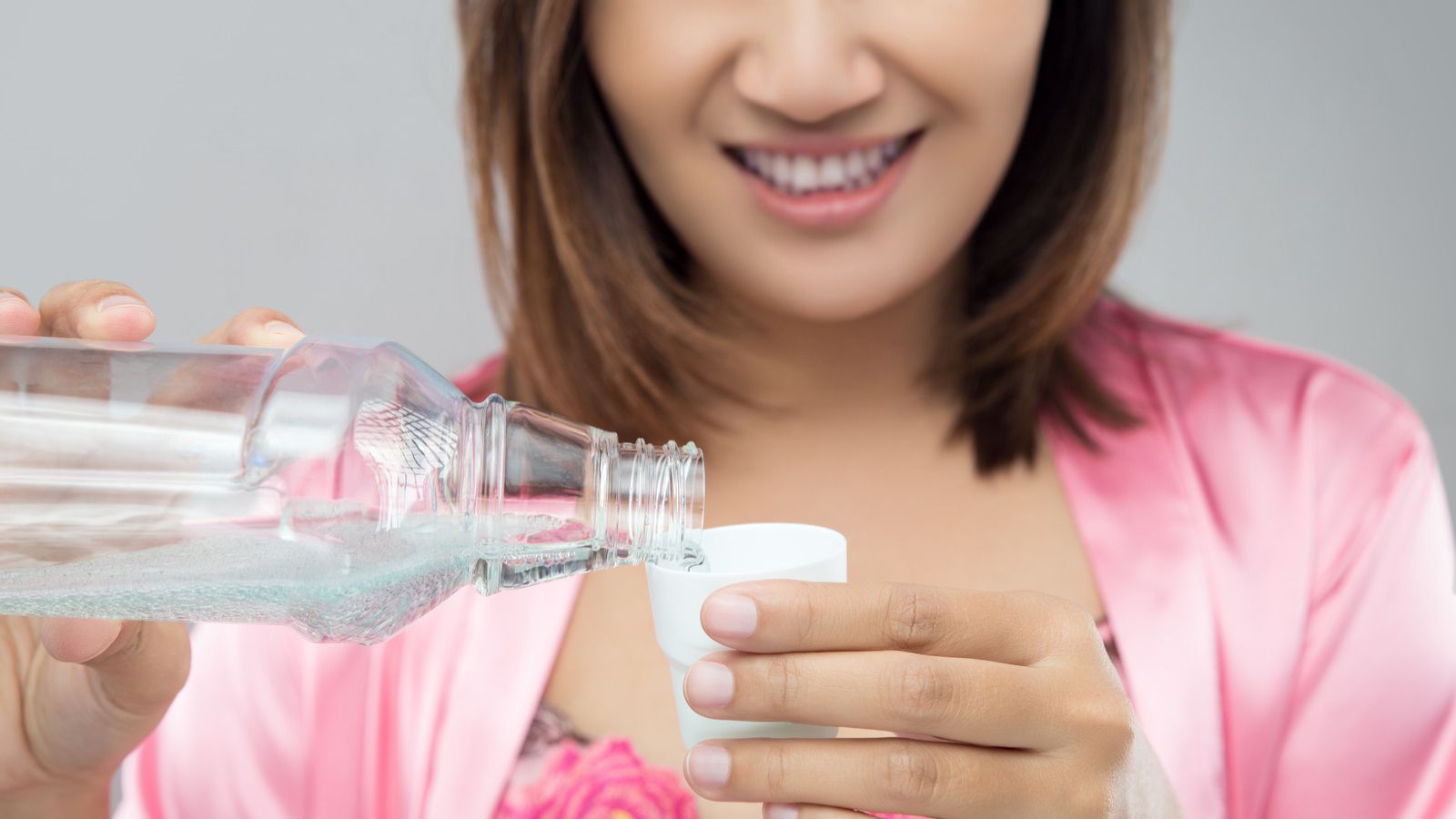
Most people keep mouthwash in the bathroom to freshen their breath and care for their teeth. Since some formulas contain alcohol and antibacterial ingredients, it’s easy to see why people have tried using it for other things around the house.
Mouthwash isn’t a substitute for household cleaners, laundry products, or first-aid supplies. Some of these ideas may sound handy, but others are better left alone because they can damage surfaces, irritate skin, or cause appliance problems.
1. Clean Household Surfaces
Some people reach for mouthwash when they’re out of their usual cleaning products, but it isn’t made to remove household dirt and grease. A regular all-purpose cleaner is a better choice for countertops, glass, and bathroom surfaces.
2. Deter Fungus Gnats on Plants
Some people suggest spraying diluted mouthwash on houseplants to deal with fungus gnats, but there’s little evidence it works. Alcohol and other ingredients may also damage leaves or roots, so try yellow sticky traps and let the top layer of soil dry between waterings instead.
3. Help With Mild Foot Fungus
Alcohol-based mouthwash is sometimes mentioned as a home remedy for athlete’s foot, but it isn’t a proven treatment. It can also cause burning, dryness, and irritation, so an antifungal cream or spray made for athlete’s foot is a better choice.
4. Make Cut Flowers Last Longer
Some home tips suggest adding mouthwash to vase water to slow bacterial growth and keep flowers fresh. There’s little reliable evidence that this works, so flower food made for cut flowers is a safer option.
5. Freshen a Humidifier
A musty smell from a humidifier often means the tank or other parts need cleaning. Don’t add mouthwash to the water, since it’s not made to be dispersed into the air and may damage the appliance; follow the manufacturer’s cleaning instructions instead.
6. Deodorize a Garbage Disposal
Pouring mouthwash down the garbage disposal may leave a minty smell for a short time, but it won’t remove the food scraps causing the odor. Clean the disposal according to the manufacturer’s instructions and remove any trapped debris to address the source of the smell.
7. Freshen a Garbage Can
A paper towel soaked in mouthwash may cover up some trash can odors for a little while. It won’t remove the bacteria or residue causing the smell, so wash the bin with soap and water, let it dry, and use a suitable odor absorber if needed.
8. Reduce Odors in Laundry
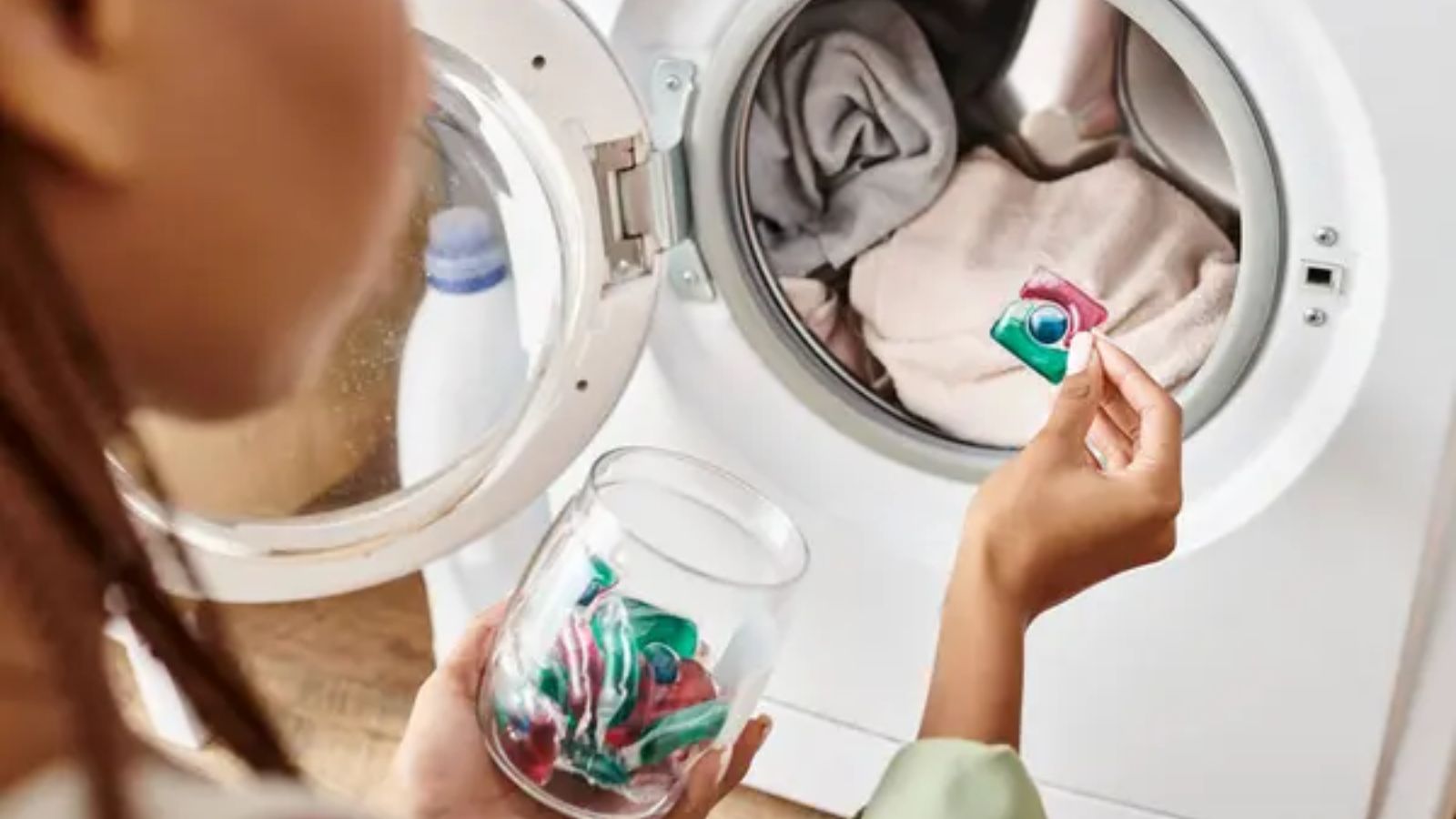
Some people suggest adding mouthwash to the washing machine to remove musty smells from clothes. Mouthwash isn’t made for laundry and may leave residue or affect fabrics, so use detergent intended for odor removal and clean the washer if the smell keeps coming back.
9. Clean Tile Floors
Mouthwash may seem like a convenient option for wiping down tile, but it isn’t formulated to remove floor grime. Alcohol and other ingredients may also affect grout sealers or certain finishes, so use a floor cleaner suited to your tile type.
10. Disinfect Minor Cuts
Alcohol-based mouthwash on cuts or scrapes can sting and irritate exposed tissue. For minor wounds, rinse the area under clean running water, wash the surrounding skin with soap, and cover it with a clean bandage.