“As city life becomes more hectic, I don’t blame people for getting excited about the idea of off-grid living. Off-grid living is about more than just turning off the power,” explains Liz Karschner-Slone of SEPCO Solar Electric Power Company. “Understanding how your energy is eaten up and figuring out how you can create systems to exist on a self-sufficient lifestyle.”
Living off the grid doesn’t mean giving up the comforts that make a cabin feel like home. It means being more deliberate about how you produce electricity, heat water, cook meals, store food, and handle everyday chores.
The right appliances can make remote living much easier, but the best setup depends on your location, climate, available fuel, water source, and energy system. Before buying anything, think about what you actually use every day and how much energy each appliance will require.
Here are 14 useful appliances and tools that can make an off-grid cabin more comfortable and practical.
Solar-Powered Refrigerator
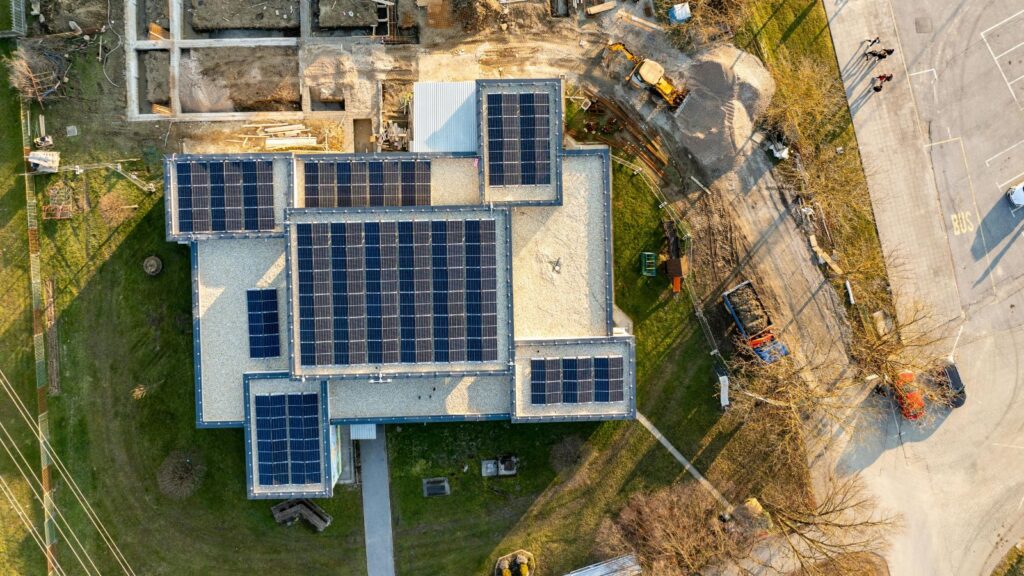
Keeping food cold is one of the first challenges to solve in an off-grid cabin. A solar refrigerator can provide dependable cooling while using relatively little electricity, especially when paired with a properly sized solar and battery system.
Look for a model with good insulation and an efficient compressor. The Sundanzer DCR165, for example, is made for locations where energy availability is limited. Check the refrigerator’s daily energy consumption before buying it and compare that figure with the output of your solar setup.
Propane-Powered Stove
Cooking doesn’t have to depend on your electrical system. A propane stove gives you a reliable way to prepare meals even when solar production is low or your batteries are running short.
Compact propane stoves work well in cabins with limited kitchen space. An outdoor model such as the Camp Chef Outdoor Oven can also be useful for cooking outside when you don’t want to heat the cabin.
Propane appliances still need proper ventilation and safe storage. Follow the manufacturer’s instructions and local requirements for installation and fuel storage.
Wood-Burning Stove
A wood-burning stove can pull double duty as a source of heat and a cooking surface. For cabins in colder areas, that can make it one of the most useful pieces of equipment you own.
A well-built stove can heat a room while allowing you to warm water or cook simple meals. Models such as the Jotul F 500 are built for efficient wood burning.
Before installing one, check local building and fire codes. A proper chimney, safe clearances, and regular chimney cleaning are all part of using a wood stove safely.
Composting Toilet
A composting toilet can be a practical option for cabins without access to a sewer system or conventional septic setup.
These toilets use little or no water and can reduce the need for complicated plumbing. A self-contained model such as the Nature’s Head Self-Contained Toilet is one example made for locations where traditional plumbing isn’t available.
Installation and maintenance still matter. Follow the manufacturer’s instructions for ventilation, waste handling, and cleaning so the system works properly.
Gravity-Fed Water Filter
If your cabin relies on a well, spring, lake, or another untreated water source, water filtration deserves careful attention. A gravity-fed filter can remove many contaminants without requiring electricity or a pressurized plumbing system.
Systems such as the Berkey Water Filter System have been popular with people looking for non-electric filtration. Before choosing a filter, check what contaminants it has been tested to remove and whether additional treatment is needed for your particular water source.
If you’re drinking water from an untreated source, testing the water is a smart step before deciding which filtration system you need.
Off-Grid Washing Machine
Laundry can become a surprisingly large chore without an electric washing machine. A hand-powered or pedal-operated washer can take care of smaller loads without drawing from your battery bank.
These machines are compact and can use far less water than some conventional washers. They can also be useful for camping, emergencies, or cabins where electricity is limited.
For larger households, a high-efficiency electric washer connected to a sufficient solar and battery system may make more sense. The best choice depends on how much laundry you produce.
Learn more about washing clothes without electricity.
Solar Generator
A solar generator gives you a convenient way to store electricity and run smaller appliances or recharge electronics. Many modern units combine a battery, inverter, and charging system in one portable package.
A model such as the Goal Zero Yeti 1500X can be useful for phones, lights, laptops, small kitchen appliances, and other low-to-moderate loads.
Before buying one, add up the wattage of the devices you expect to run. A generator that works well for lights and electronics may not have enough capacity for a refrigerator, heater, or other high-draw appliance.
Off-Grid Freezer
A freezer can be useful if you have enough solar and battery capacity to keep it running consistently. An efficient chest freezer often makes sense for a cabin because its design can reduce cold-air loss when the lid is opened.
Look for a unit with strong insulation and low energy consumption. Measure its daily electricity use and compare it with your available solar production and battery storage.
A freezer is only useful if you can keep it cold during cloudy weather, so plan for several days of limited sunlight rather than sizing your system around a perfect sunny day.
Solar Water Heater
Heating water can consume a surprising amount of energy. A solar water heater can reduce the amount of electricity or fuel needed for showers, washing dishes, and other household tasks.
The Heliatos Solar Water Heater Panel Kit is one option for cabins with suitable sun exposure. Solar water heating works best when the system is installed in a location that receives plenty of direct sunlight.
You’ll also need to think about freezing temperatures, plumbing, tank placement, and backup heating. The right setup depends heavily on the climate where your cabin is located.
LED Lanterns and Lights
Lighting is one area where it makes sense to keep electricity use low. LED bulbs and lanterns produce plenty of light while drawing much less energy than older incandescent bulbs.
Rechargeable LED lanterns are handy because they can be moved from room to room or taken outside. LED light strips can also provide inexpensive task lighting in kitchens, closets, and work areas.
Keep a few battery-powered lanterns available for cloudy days, maintenance work, and unexpected problems with your main electrical system.
Solar Oven
A solar oven lets you cook using sunlight rather than propane, wood, or electricity. It can be especially useful on clear days when you want to conserve your regular cooking fuel.
Solar ovens can handle foods such as vegetables, bread, rice, and slow-cooked meals, although cooking times vary with the weather and equipment.
They work best as a backup or supplemental cooking method rather than your only stove. Clouds, shade, and changing sunlight can make cooking times unpredictable.
Manual Kitchen Appliances
Some of the easiest appliances to replace with manual versions are the small ones you use every day. A hand-cranked coffee grinder, manual food chopper, or hand juicer can take care of basic kitchen tasks without using electricity.
The Hario Skerton Pro Coffee Grinder, for example, lets you grind coffee by hand. A manual food processor such as the Fullstar Vegetable Chopper can handle smaller food-preparation jobs.
These tools also make sense as backups, even if your cabin has a full solar electrical system.
Food Preservation Dehydrator
Dehydrating is a practical way to preserve fruits, vegetables, herbs, and certain meats. A solar or manual dehydrator can work without drawing electricity from your main system.
The SOLA Dry Food Dehydrator uses sunlight to dry food, making it a useful option for sunny locations.
Proper food preparation and storage are important, especially with meat. Follow tested food-preservation guidance for temperature, drying times, and storage conditions rather than relying on appearance alone.
Portable Propane Heater
A portable propane heater can provide backup heat when temperatures drop or your primary heating system isn’t available. The Mr. Heater Buddy series is a popular example of a compact propane heater.
Portable fuel-burning heaters require extra care inside enclosed spaces because they can produce carbon monoxide and consume oxygen. Use only models approved for indoor use, follow ventilation requirements, and install working carbon monoxide detectors in the cabin.
A heater should be treated as part of your backup plan rather than something you can run carelessly in a closed room.
Build Your Cabin Around Your Actual Needs
An off-grid cabin doesn’t need every appliance found in a conventional house. A smaller setup can often be easier to maintain, cheaper to operate, and better suited to limited solar production.
Start with the basics: refrigeration, cooking, water, lighting, sanitation, heating, and food storage. Then add appliances based on the way you actually use the cabin.
The biggest advantage of an off-grid setup is having control over how your resources are used. A few well-chosen appliances can make daily life much easier without turning your cabin into a miniature version of a conventional home.