The cookware section at a thrift store can be a bit of a jumble. Pots, pans, baking dishes, kitchen tools, and small appliances are often stacked together, and while some are great bargains, others are better left on the shelf.
A low price doesn’t automatically make something a good buy. The material, condition, construction, brand, and ease of cleaning all deserve a closer look, especially for items you’ll use to prepare food.
Before adding that old skillet or heavy baking dish to your cart, take a few minutes to inspect it. These tips can help you spot secondhand cookware worth bringing home.
Pick it up and see how it feels
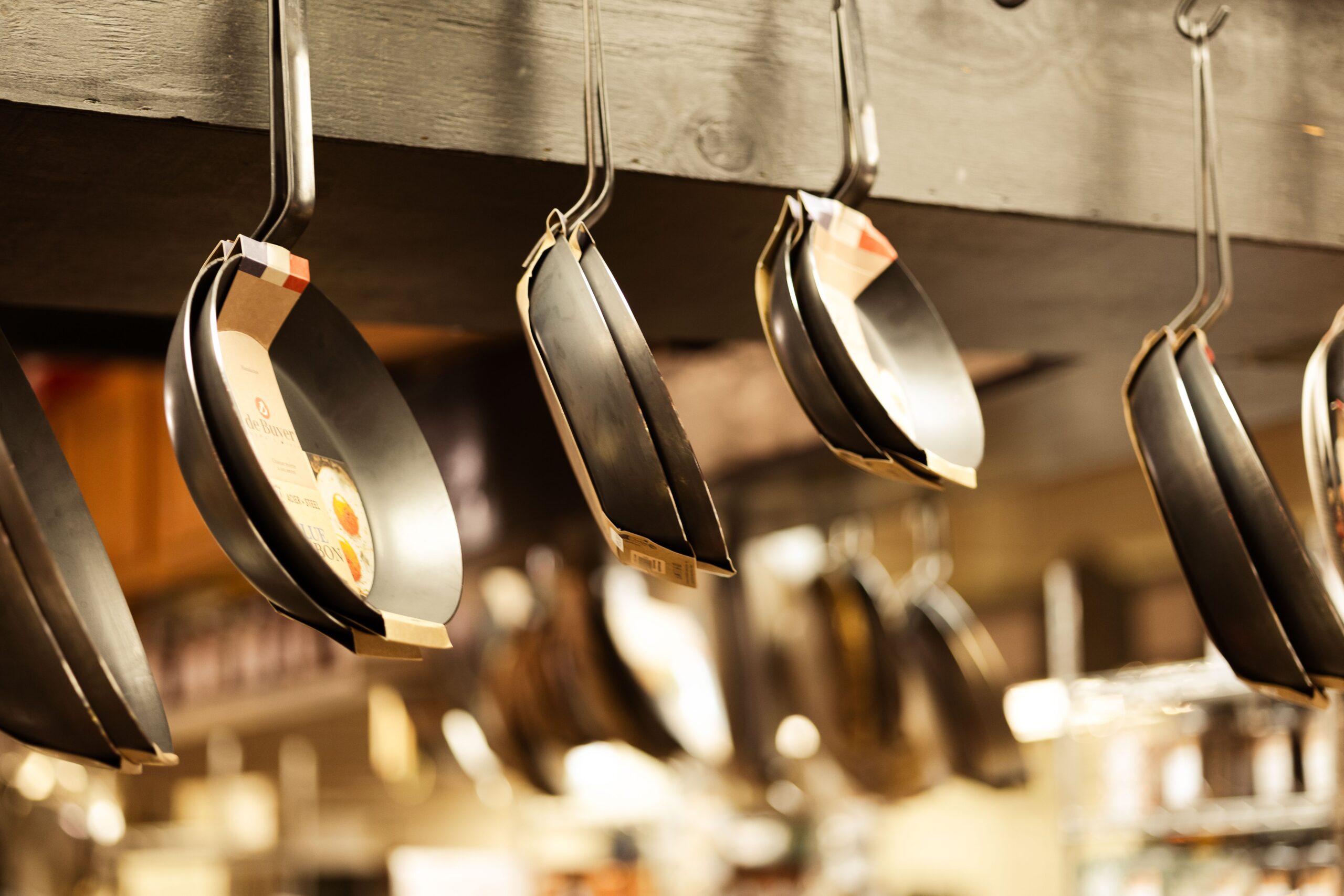
A well-made pot or pan usually feels sturdy, even if it has a few scratches or looks dated. Check for loose handles, cracks, deep dents, and warping that could affect how it sits or cooks.
Related: People Shared Their Luckiest Thrift Store Finds, and the Stories Are Wild
Look for cast iron
Cast iron is often worth a closer look at thrift stores because surface rust and worn seasoning can sometimes be restored. Skip pieces with cracks, deep pitting, or major damage that could make them unsafe or difficult to use.
Related: 6 Popular Books That Thrift Stores Wish More People Would Donate
Check stainless steel carefully
Stainless steel cookware can last for years, so an older piece may still have plenty of use left. Check the bottom for warping or separation, make sure the handles are firmly attached, and inspect the cooking surface for deep scratches or other damage.
Related: I Kept Wasting Money at Thrift Stores Until I Changed This One Habit
Don’t automatically dismiss older bakeware
Heavy baking sheets, roasting pans, and casserole dishes can be good finds if they’re still sturdy and sit flat. Cosmetic wear is usually less concerning than deep rust, peeling coatings, or severe warping that affects how the item works.
Be cautious with used nonstick pans
A secondhand nonstick pan is usually one to inspect very carefully before buying. Skip anything with a scratched, peeling, or badly worn coating, and keep in mind that you may have no way to know how old the pan is or how it was used.
Related: Your Old Nonstick Pan Could Be Ready for the Trash If You See These Signs
Look at the bottom for a maker’s mark
Turn the cookware over and check for a manufacturer’s name, model number, or material markings. These details can help you look up the item, learn more about its quality, and see whether the asking price is reasonable.
Don’t buy something just because you recognize the brand
A familiar brand name can be a good starting point, but it doesn’t guarantee that a secondhand item is worth buying. Even an expensive pan can be a poor purchase if it’s badly scratched, warped, or missing important parts.
Do a quick price check
Some thrift stores price recognizable brands close to their original retail cost. Search for the same item online and compare prices for new and used versions before deciding whether the thrift-store price is a real bargain.
Make sure all the important pieces are there
Check for missing lids, inserts, handles, attachments, and other parts that came with the original item. If something is missing, find out whether replacements are available and how much they cost before you buy.
Test small appliances before bringing them home
A stand mixer, food processor, or slow cooker may look fine on the shelf but still have electrical or mechanical problems. If the store allows testing, check that it runs properly and inspect the cord, plug, bowl, lid, attachments, and other parts for damage.
Be careful with older wooden kitchen items
Wooden spoons, cutting boards, rolling pins, and similar items can develop cracks, splinters, and stains that are difficult to clean. Leave behind pieces with serious damage or deteriorated wood, especially if you can’t be sure they’ll be safe for food preparation.
Think twice about mystery vintage cookware
An older piece isn’t automatically a better one, particularly if you can’t identify its material or intended use. If you’re unsure whether it’s safe for cooking or food storage, it’s better to leave it behind or consider it for decoration rather than taking a chance.
Decide whether you’ll actually use it
That vintage casserole dish may look lovely, but it won’t be much of a bargain if it spends years tucked away in a cabinet. Think about whether you have room for it and whether it fills a real need in your kitchen before paying for it.