
Many of the products we use every day seem completely harmless. They’re sitting under the kitchen sink, tucked inside bathroom cabinets, or stored in the laundry room without a second thought. Yet some of these everyday items contain chemicals or create hazards that can affect your health if they’re used carelessly or stored improperly.
According to the American Lung Association, certain cleaning products can irritate the skin, eyes, and lungs because they release chemicals into the air. Household cleaners are only part of the picture, though. Items found throughout the home can pose risks ranging from accidental poisoning to fire hazards. Here are 17 common household products worth handling with extra care.
All-Purpose Cleaners
All-purpose cleaners make everyday cleaning easier, but many contain ingredients such as ammonia, bleach, or other strong chemicals. Direct contact can irritate your skin and eyes, while breathing the fumes may trigger coughing or make asthma symptoms worse.
Open windows or turn on an exhaust fan before cleaning, and avoid mixing different products together. If you prefer a gentler option, cleaners made with vinegar, baking soda, or plant-based ingredients can handle many household jobs.
Related: 11 Things Professional Cleaners Notice in Dirty Homes
Oven Cleaners
Oven cleaners are made to break down stubborn baked-on grease, which also makes them some of the strongest cleaning products in the house. Many contain caustic chemicals that can burn skin and damage the eyes.
Wear gloves while cleaning your oven, avoid breathing the fumes, and rinse surfaces thoroughly before cooking again. Good ventilation also helps reduce exposure.
Related: 16 Creative Crafts You Can Make with Pipe Cleaners
Toilet Bowl Cleaners
Toilet bowl cleaners rely on strong acids to remove stains and kill germs. Those same acids can cause painful burns if they splash onto your skin or into your eyes.
One mistake people sometimes make is mixing toilet cleaners with bleach or other cleaning products. Doing so can create dangerous gases. Stick with one cleaner at a time and keep bottles safely stored away from children.
Related: 15 Household Items Every American Family Needs
Air Fresheners
Air fresheners can make a room smell pleasant, but many release volatile organic compounds (VOCs) into the air. Some people notice headaches, irritated airways, or worsening allergy and asthma symptoms after using heavily scented products.
Opening a window, using an exhaust fan, or placing bowls of baking soda around the house can help control odors without filling the air with extra chemicals.
Related: 13 Unexpected Household Items That Are Actually Fire Hazards
Detergent Pods
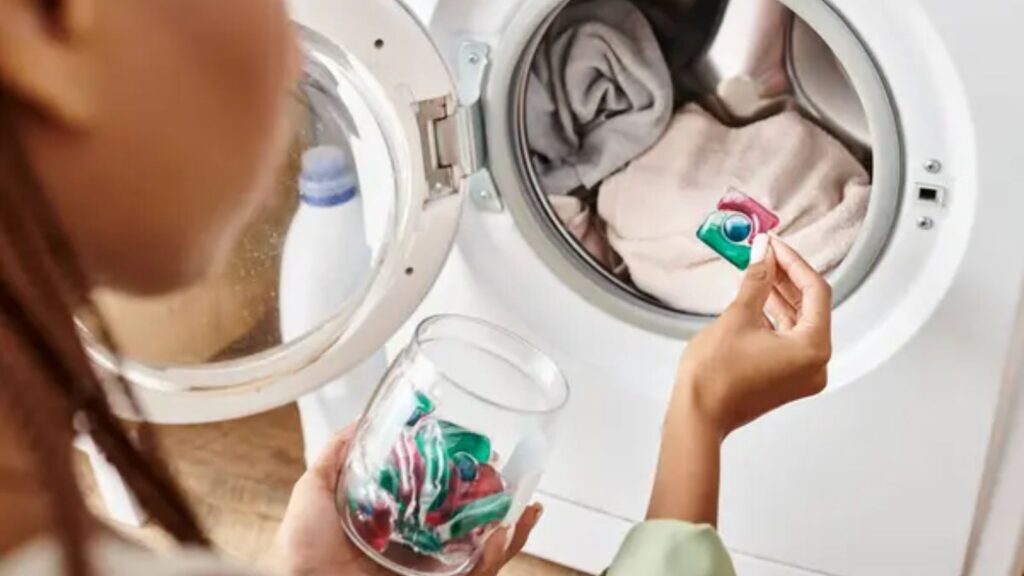
Laundry pods are convenient, but they can be dangerous for young children and pets. Their bright colors often resemble candy, making accidental poisoning a real concern.
Swallowing even one pod can cause vomiting, breathing problems, or severe irritation. Keep them locked away or stored on a high shelf where children cannot reach them.
Dryer Sheets
Dryer sheets help reduce static and leave clothes smelling fresh, but many contain fragrance chemicals that are released during the drying cycle. Some people find these scents irritating, especially if they have allergies or breathing problems.
Reusable wool dryer balls soften clothes without added fragrances and can shorten drying time at the same time.
Non-Stick Cookware
Non-stick pans make cooking and cleanup easier, but overheating older non-stick coatings can release fumes that may irritate people and are especially harmful to pet birds.
Keeping the heat at medium or lower helps reduce the risk. Stainless steel, cast iron, and carbon steel cookware are good alternatives if you’re looking to avoid non-stick coatings altogether.
Plastic Food Containers
Plastic storage containers are convenient for leftovers, but older containers or those made with certain plastics may release chemicals into food, especially when heated in the microwave.
Glass or stainless steel containers are a better choice for storing hot foods or reheating leftovers.
Mothballs
Mothballs protect clothing from insects, but they contain chemicals that slowly evaporate into the air. Breathing those vapors may cause headaches, nausea, dizziness, or breathing problems.
Natural options like cedar blocks or lavender sachets can help keep moths away without introducing the same chemical exposure.
Pesticides
Indoor pesticides can quickly eliminate insects, but the chemicals can also affect people and pets if they’re overused or applied incorrectly. Short-term exposure may cause headaches, dizziness, or skin irritation.
Keeping your home clean, sealing cracks, and using traps can often solve minor pest problems without relying heavily on chemical sprays.
Furniture Polish
Some furniture polishes contain petroleum-based solvents and other chemicals that can irritate the skin or lungs during use.
Wear gloves if you’re polishing large surfaces and open a window while working. Homemade mixtures containing olive oil and lemon juice can leave wood looking great without harsh ingredients.
Gas Space Heaters
Gas space heaters can warm a room quickly, but they also carry one of the most serious household risks: carbon monoxide. This gas has no smell or color, making it impossible to detect without an alarm.
Always use heaters according to the manufacturer’s instructions, keep the room ventilated if required, and install working carbon monoxide detectors nearby.
Extension Cords
Extension cords are useful for temporary needs, but they are involved in thousands of house fires every year. Overloading one cord or running it beneath rugs can cause dangerous heat buildup.
Replace damaged cords immediately, avoid plugging multiple high-powered appliances into one extension cord, and use permanent outlets whenever possible.
Antibacterial Soaps
For years, antibacterial soaps were marketed as a better way to wash your hands. Research has found that, outside healthcare settings, regular soap and water work just as well for most people.
Some antibacterial soaps previously contained triclosan, an ingredient linked to concerns about antibiotic resistance and hormone disruption. Many manufacturers have since removed it, making plain soap an easy choice for everyday use.
Scented Lotions
Many scented lotions contain artificial fragrances that can irritate sensitive skin or trigger allergic reactions. Some fragrance ingredients have also raised questions about their long-term health effects.
If you have sensitive skin, fragrance-free lotions with simple ingredient lists are often a better option.
Pressed Wood Products
Furniture made from particleboard, plywood, or medium-density fiberboard often contains adhesives that release small amounts of formaldehyde over time. This process, known as off-gassing, can irritate the eyes, nose, and throat.
Choosing products labeled as low-formaldehyde or formaldehyde-free can help reduce indoor exposure, especially in newly furnished homes.
Humidifiers
Humidifiers can make dry indoor air more comfortable, but they need regular cleaning. Standing water inside the tank can become a breeding ground for mold and bacteria, which may then spread into the air.
Empty the tank daily, refill it with clean water, and follow the manufacturer’s cleaning instructions to keep the unit working safely.