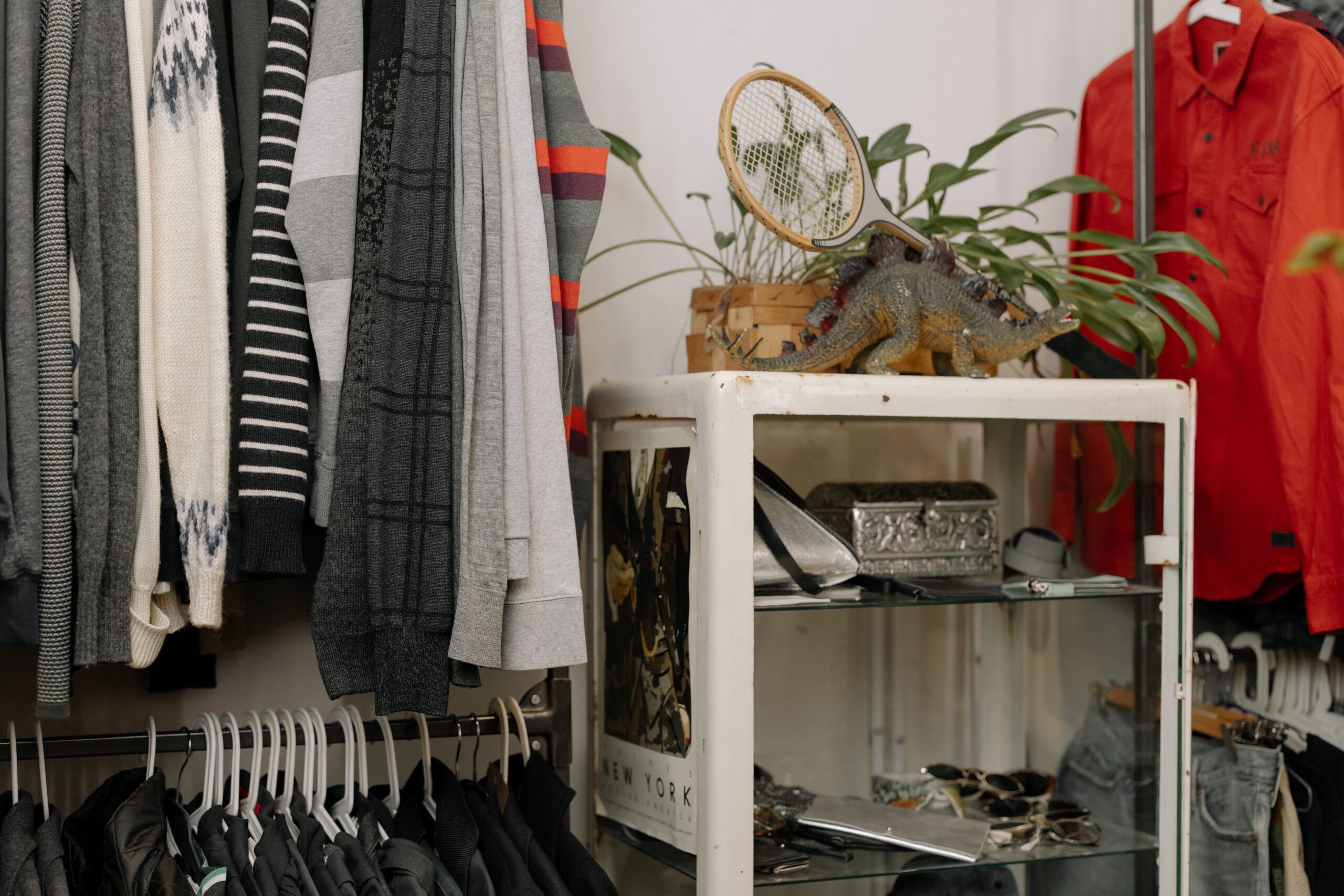
Thrift stores can be full of surprises. A shelf that looks like a collection of ordinary secondhand goods might actually hold an antique, a collectible, or a piece that someone else is willing to pay much more for.
The secondhand market has grown well beyond used clothing and furniture. According to an annual forecast from thredUP, the resale market is expected to reach about $350 billion by 2028. That growth reflects changing shopping habits, interest in sustainable buying, and, for many shoppers, the fun of finding something special at a bargain price.
You don’t need to be an antiques expert to find an interesting thrift store piece. Learning a few maker’s marks, materials, styles, and age clues can help you spot items that deserve a closer look. Here are 15 thrift store finds that could be worth far more than their original price tag.
Original Oil Paintings
Original oil paintings can be some of the most exciting thrift store discoveries. Stores often carry plenty of inexpensive prints and mass-produced artwork, but an authentic painting by an unknown artist can still have value. A recognized artist can make the find even more worthwhile.
“Whether it’s a small, well-painted still life in an aged gilt frame or a large-scale abstract piece I’m going to struggle to get in my car, it has always been worth it to purchase real art with visible brushstrokes, nuance, and patina,” Bethany Adams of Bethany Adams Interiors says.
Look closely at the painting, frame, signature, and any labels on the back. A name alone doesn’t prove that a piece is valuable, so research the artist before making assumptions about its worth. Provenance and condition can also make a major difference.
Related: 6 Popular Books That Thrift Stores Wish More People Would Donate
Pedestals
Old pedestals can be easy to overlook because they aren’t always useful as everyday furniture. For collectors, decorators, and homeowners looking for unusual display pieces, that can make them an interesting thrift store find.
Wood, marble, and metal pedestals can have resale value, particularly if they are old or have distinctive craftsmanship. Antique examples from the 19th century can sell for substantial sums when the condition and style appeal to buyers.
Even a simple pedestal can be worth investigating. Check the construction, material, age, and any marks that might identify its maker.
Picture Frames
Don’t skip the picture frame aisle. Vintage and antique frames can sometimes be worth more than the artwork sitting inside them.
Older frames were often made with materials and craftsmanship that are difficult to find in inexpensive modern frames. Victorian, Art Deco, carved wood, gilded, and unusual decorative frames can attract collectors and artists.
Pay attention to the corners, backing, materials, and overall condition. A frame with an older appearance isn’t automatically valuable, but unusual construction or a recognizable period style can make it worth researching.
Related: 15 Thrift Store Treasures That Could Make You a Small Fortune!
Vintage Sporting Goods
Old sporting equipment has its own group of collectors. Vintage baseball gloves, wooden golf clubs, fishing gear, tennis rackets, and other sporting items can attract buyers who appreciate their history and design.
The most valuable pieces often have a connection to a famous player, team, event, or manufacturer. Older equipment in unusually good condition can also bring more money than an ordinary used item.
Before passing up a dusty old glove or wooden club, check for names, logos, dates, and model numbers. Those small details can tell you whether you’ve found an ordinary piece of equipment or something worth researching.
Mismatched China
A complete dinnerware set isn’t the only china worth buying. Individual plates, cups, saucers, and serving pieces from sought-after manufacturers can have plenty of resale potential.
“Thrift stores are loaded with a fun mix of dinnerware that’s great for picnics and outdoor entertaining,” Kathryn Murphy of Kathryn Murphy Interiors says.
Keep an eye out for names such as Wedgwood, Royal Worcester, and Limoges. Rare patterns, discontinued designs, unusual shapes, and older pieces in good condition can attract collectors.
A single hard-to-find piece may be more valuable than an entire common set, so don’t assume mismatched china is worthless just because the pieces don’t belong together.
Related: People Are Starting to Feel Priced Out of Thrift Stores — and They’re Frustrated
Signed Art
A signature can make a thrift store artwork worth a closer look. Paintings, prints, drawings, and sculptures associated with known artists can command much higher prices than ordinary decorative pieces.
The tricky part is authentication. A signature can be copied, and an artist’s name on a piece doesn’t automatically prove that the work is genuine. Look for gallery labels, exhibition information, paperwork, or other clues about where the artwork came from.
Even pieces without a signature can attract buyers if they come from an interesting artistic period or have distinctive techniques.
Quilts
Handmade quilts can be beautiful pieces of history, and some are surprisingly valuable. Antique quilts, especially those made by hand in the 19th or early 20th century, can attract collectors and interior designers.
Age is only part of the equation. Fabric, pattern, stitching, condition, maker, and documented history can all affect a quilt’s value. A quilt connected to a particular person, community, or historical period may be especially interesting to collectors.
Look closely at the stitching and fabric rather than assuming a quilt is valuable simply because it looks old. Signs of handwork and unusual patterns can make a difference.
Glass Art
Vintage glass is another category worth checking carefully. Murano, Venetian, studio, and other forms of hand-blown glass can turn up in thrift stores among ordinary vases and bowls.
Look underneath the piece for a signature, sticker, etched mark, or manufacturer’s symbol. Hand-blown glass may also have small variations that distinguish it from factory-made pieces.
Condition matters, too. Chips, cracks, repairs, and scratches can lower the value considerably. A rare maker’s mark combined with an attractive design and good condition can make a thrift store glass piece worth considerably more than its price tag.
Coffee Table Books
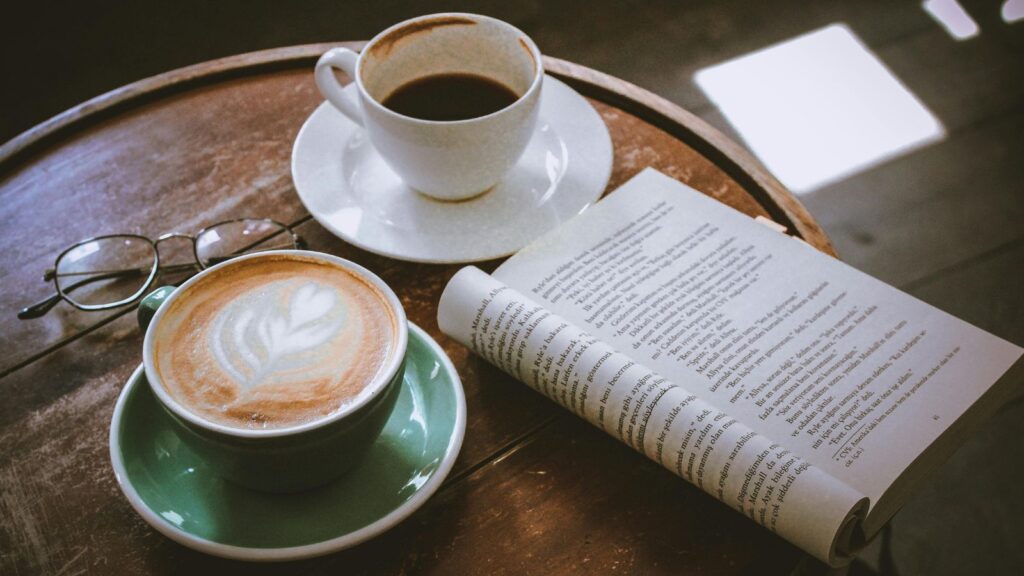
Coffee table books can be expensive when bought new, which is one reason designers frequently search thrift stores for them.
“Books are a big, big part of many of our designs and can really eat up a budget, so we are constantly on the lookout for great coffee table books at thrift stores,” Mark Cutler of Cutlerschulze, an interior design firm based in Los Angeles, says.
Books covering art, photography, fashion, architecture, travel, and history can be particularly interesting. Look for first editions, limited editions, signed copies, unusual bindings, and books that are out of print.
A book doesn’t have to be ancient to have resale value. A scarce edition in excellent condition can be much more desirable than a common older book.
Silver and Gold Jewelry
Jewelry is one of the first categories worth checking at a thrift store. Gold and silver pieces have value based on their metal content alone, while designer and antique jewelry can be worth much more.
Check for hallmarks such as “925” on sterling silver and karat markings such as “14K” on gold. Maker’s marks can also provide clues about a piece’s origin.
Designer names can make a major difference. Older pieces from companies such as Tiffany & Co. or Cartier can be highly collectible. Vintage costume jewelry from the 1920s and 1930s can also attract collectors, particularly when it features unusual stones, designs, or recognizable makers.
Vintage Fiestaware
Fiestaware is a favorite among vintage dinnerware collectors, and thrift stores can be a great place to find individual pieces.
“This highly collectible, brightly colored dinnerware livens up any party and looks amazing when it’s styled on floating shelves,” Ashley Macuga of Collected Interiors explains.
Older Fiestaware from the 1930s through the 1960s can be particularly interesting, with certain discontinued colors and pieces attracting higher prices. The marking on the bottom can help identify when and where a piece was produced.
Check plates, bowls, cups, pitchers, and serving pieces for unusual colors, older marks, and good condition. A small piece can be worth researching before you leave it behind.
Glass Candlesticks
Glass candlesticks are another thrift store item that can be surprisingly collectible. Pieces made by known glass companies, including Fenton and Murano, can be worth far more than generic modern versions.
Look for unusual colors, hand-blown details, distinctive shapes, and maker’s marks. Art glass and lead crystal pieces can also attract collectors.
A pair isn’t always required, either. A single unusual candlestick can still have decorative or collectible value, particularly if it comes from a sought-after maker.
Decorative Wall Brackets or Corbels
Old brackets and corbels were once practical architectural pieces, but today they are also popular with decorators and people restoring older homes.
Wood, iron, marble, and carved plaster examples can be particularly interesting. Pieces with detailed carving or unusual construction may have more resale value than plain modern brackets.
These pieces can also be repurposed as shelf supports, architectural accents, or decorative displays. Before buying, inspect them for cracks, repairs, missing sections, and signs of age.
Bookends
Bookends don’t take up much space on a thrift store shelf, so they’re easy to walk past. Vintage and antique examples can be worth checking, especially those made from brass, marble, wood, or other quality materials.
Look for unusual shapes, detailed designs, famous landmarks, animals, artists, and recognizable design periods such as Art Deco or mid-century modern.
Maker’s marks can provide another clue. A heavy pair of old bookends with distinctive craftsmanship may be much more interesting to collectors than a basic modern set.
Spongeware
Spongeware has a distinctive look that makes it popular with collectors of vintage and antique ceramics.
“Spongeware pieces can fetch up to thousands of dollars, especially if you’re lucky enough to nab full sets or score something from the 19th or early 20th centuries,” Marie Joh, a merchandiser at The Six Bells, notes.
Bowls, plates, pitchers, and other pieces can sell for substantial amounts when they are old, rare, and in good condition. Blue, red, and brown are common colors, but unusual patterns and pieces from sought-after potteries can be much more desirable.
Check the underside for pottery marks, stamps, or other identifying details. Age, condition, pattern, and manufacturer all play a role in determining what a piece may be worth.
Thrift shopping isn’t just about finding something cheap. Part of the fun is learning to recognize pieces that have a story, a collectible following, or a value that isn’t obvious at first glance. A little research before you buy can turn an ordinary thrift store trip into a very rewarding hunt.