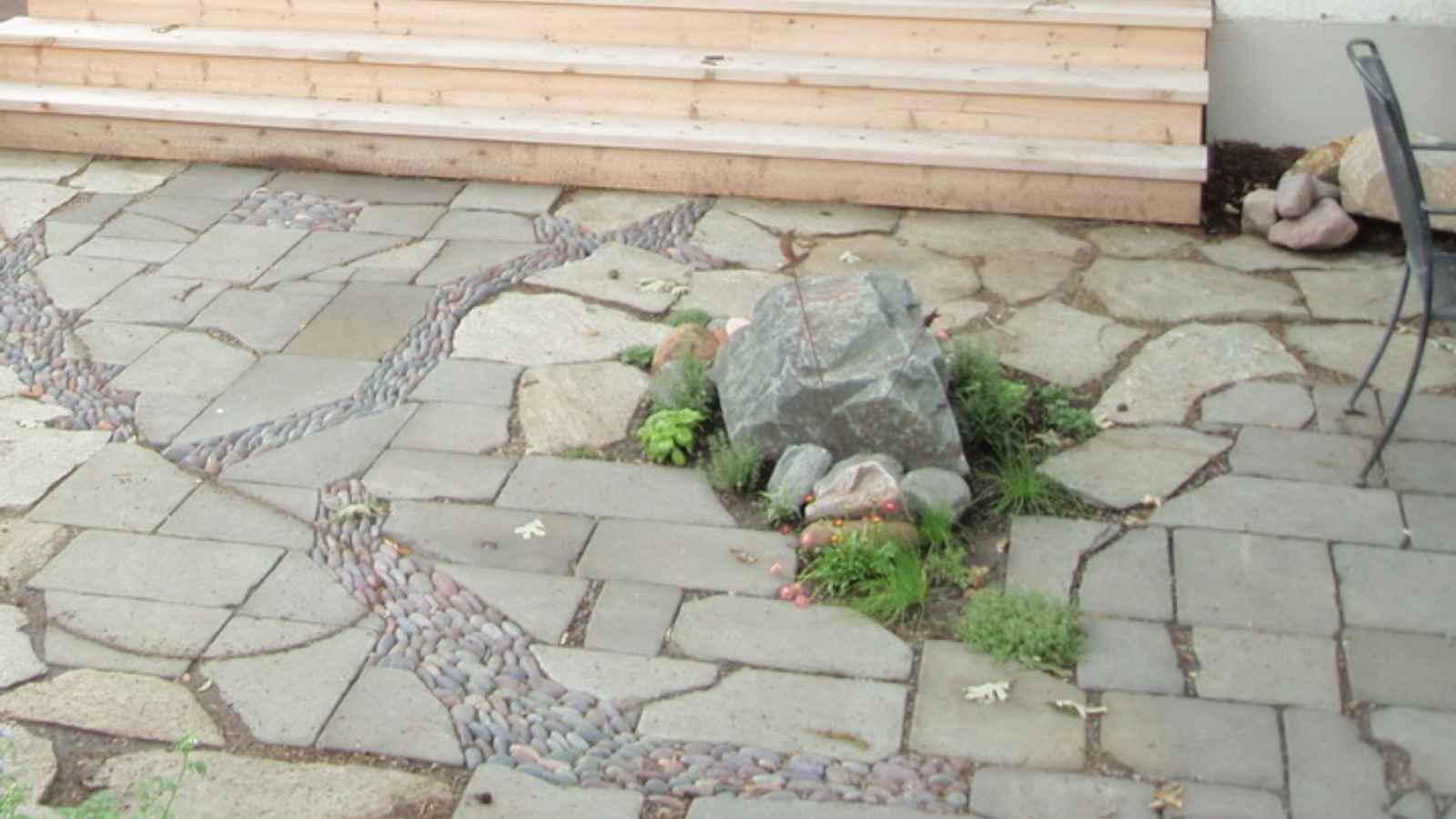
A shady corner doesn’t have to be the forgotten part of the yard. With the right plants, areas beneath trees, along fences, beside patios, and on the north side of a home can become some of the prettiest parts of a garden.
Shade gardening does require a little thought because plants have different light needs. Some prefer filtered sunlight, while others are perfectly happy with deep shade. Soil moisture also matters, especially beneath mature trees where roots can compete with smaller plants for water.
If you’ve been staring at a dark corner wondering what could possibly grow there, you have plenty of options. From leafy hostas and ferns to colorful flowers and spreading ground covers, these 22 plants can help turn low-light spaces into inviting garden beds.
Hostas
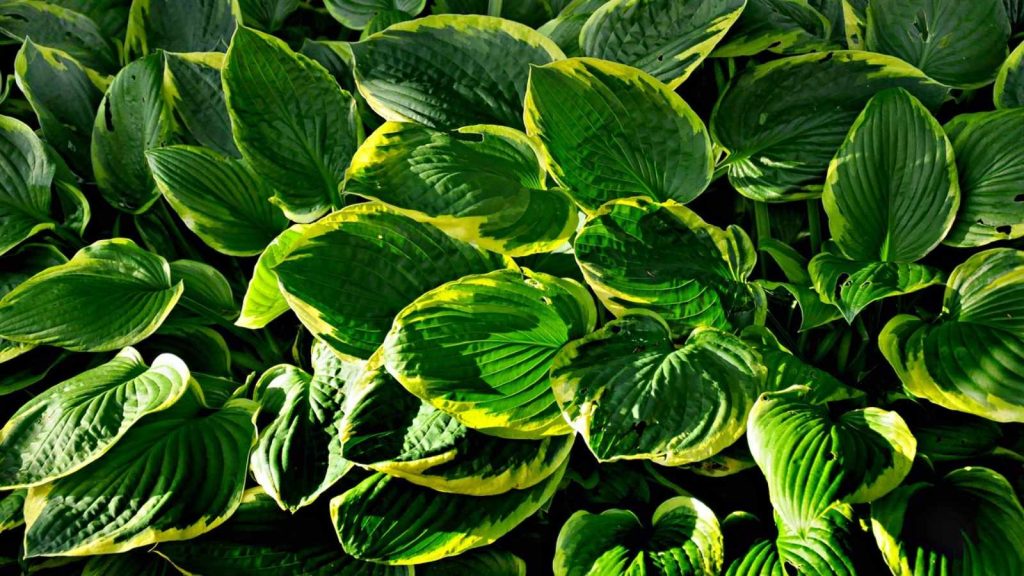
Hostas are a longtime favorite for shady gardens, and their foliage is a big reason why. Depending on the variety, the leaves can be green, blue-green, yellow, or variegated.
Most hostas prefer partial to full shade and appreciate moist, well-drained soil. Their leaves also come in many shapes and sizes, so you can mix smaller varieties with larger ones to give a planting bed more texture.
Their flowers appear on tall stems during summer and can attract bees and other pollinators.
Related: 12 Helpful Garden Insects Every Gardener Should Welcome
Dianthus
Dianthus is better known for sunny locations than deep shade, so this is one to place in a garden that receives at least some filtered or morning sunlight.
The flowers come in shades of pink, red, and white, with many varieties carrying a sweet, spicy scent. Their compact growth makes them useful along garden edges or in containers where there is enough light.
If your shady area gets a few hours of sun each day, dianthus can add a welcome splash of color.
Asters
Asters bring daisy-like flowers in shades of purple, pink, blue, and white. Many varieties prefer full sun, but some can handle light or partial shade, especially in areas with good air circulation and moist soil.
They can work nicely at the back of a shade garden that receives some filtered light. Their late-season blooms are also useful for pollinators.
Astilbes
Astilbes are a great pick for moist, shady beds. Their feathery flower plumes rise above the foliage in shades of pink, red, white, and purple.
They look especially good planted in groups beneath trees or along shaded pathways. Keep the soil from drying out, and they’ll reward you with plenty of texture and color during the growing season.
The foliage can also add interest after the flowers have faded.
Japanese Forest Grass
Japanese forest grass, also called Hakone grass, has gracefully arching leaves that move gently in the breeze. It is one of those plants that can make a shady garden feel softer without relying on flowers.
Some varieties have bright green foliage, while others feature gold or variegated leaves. It works well around stepping stones, beneath trees, or along the edge of a woodland-style garden.
Related: 15 Vegetables That Bring Helpful Pollinators to Your Garden
Bleeding Hearts
Bleeding hearts are easy to recognize thanks to their heart-shaped flowers hanging from arching stems. Pink and white varieties are common, and they make a lovely addition to woodland-style gardens.
They prefer partial to full shade and moist, well-drained soil. Their foliage may die back after flowering as temperatures rise, so pairing them with plants that fill in later can keep the bed looking full.
Bleeding hearts are toxic if eaten, so keep that in mind if children or pets have access to the garden.
Foxgloves
Foxgloves produce tall flower spikes covered with bell-shaped blooms. Pink, purple, white, and yellow varieties can add plenty of height to a shady planting bed.
They do best in partial shade with rich, moist soil. Since foxgloves are toxic if ingested, they need extra care around children and pets.
Their tall stems also work well toward the back of a garden bed, where they can rise above shorter plants.
Hellebores
Hellebores are especially useful for gardeners who want flowers during the colder months or very early in spring. Depending on the variety and climate, blooms can appear from winter into spring.
They tolerate shade well and can live for years with relatively little attention once established. Flowers come in shades that include white, pink, purple, green, and burgundy.
Plant them beneath trees or near a shaded entryway where their early flowers can be enjoyed up close.
Coral Bells
Coral bells are grown mostly for their foliage, which can come in green, purple, bronze, burgundy, silver, and combinations of these colors.
They tolerate partial shade and can work well along paths, beneath trees, or near other woodland plants. Small flower stalks rise above the leaves during the growing season and attract pollinators.
With so many leaf colors available, coral bells are a good way to add contrast to a garden without relying on flowers alone.
Toad Lilies
Toad lilies have small, orchid-like flowers covered with spots that make them look almost painted. They bloom late in the growing season, which makes them especially useful after many summer flowers have finished.
They prefer partial to full shade and consistently moist soil. Plant them where their unusual flowers can be seen up close, such as beside a walkway or near a patio.
Their late blooms can give a shady garden a fresh burst of color toward the end of the season.
Solomon’s Seal
Solomon’s seal has arching stems lined with small, bell-shaped white flowers. Its foliage gives shaded beds a graceful, woodland look.
The plant prefers moist, well-drained soil and can handle full shade. As it grows, it adds height without becoming overly bulky.
Later in the season, the flowers give way to dark berries, adding another point of interest.
Monarda (Bee Balm)
Bee balm is a favorite among pollinators and produces showy flowers in shades of red, pink, purple, and white.
Most bee balm varieties prefer more sunlight, but some can handle partial shade. Give them rich, moist soil and good air circulation to help them grow well.
Bee balm has a pleasant fragrance and can be used in teas and other drinks. If you’re growing it for culinary use, make sure you’ve correctly identified the plant and use only suitable varieties.
Related: 13 Gardening Tips Everyone Swears By (That Don’t Always Work)
Blechnum Ferns
Blechnum ferns, sometimes called hard ferns, are a good fit for gardeners who want plenty of greenery rather than lots of flowers.
Their sturdy fronds can add structure to a shaded bed, particularly when planted alongside hostas, heucheras, and other woodland plants.
Give them the moisture and soil conditions their particular variety prefers, and they can provide a lush green backdrop for other plants.
Tiarellas
Tiarellas, commonly called foamflower, are compact woodland perennials that work well in shady gardens.
Their leaves can have attractive markings, while the small flowers rise on slender stems in spring. They are especially useful along pathways, beneath trees, or near the front of a garden bed.
They prefer rich, moist soil and can spread gradually to fill open spaces.
English Ivy
English ivy can provide quick ground cover and can also climb walls, trees, and other structures. Its evergreen foliage can give a shady area plenty of greenery throughout the year.
There is an important catch: English ivy is invasive in many parts of the United States and can damage trees or spread into natural areas. Check local recommendations before planting it, and consider a non-invasive ground cover if it is a problem in your region.
Moss
If you have a damp, heavily shaded area where grass refuses to grow, moss may be worth considering.
Moss can create a soft green carpet between stones, beneath trees, and along woodland paths. It prefers moisture and shade and doesn’t require mowing.
It can be especially attractive in a garden designed around rocks, stepping stones, logs, and other natural materials.
Ajuga
Ajuga, also called bugleweed, is a low-growing ground cover that can handle partial shade. Its foliage comes in several colors, including green, bronze, and burgundy, and its small flower spikes add another layer of color.
It can fill gaps between larger plants and work along pathways or beneath shrubs.
Ajuga can spread quickly, so check how it behaves in your area before planting it across a large space.
Pulmonaria
Pulmonaria, or lungwort, is one of the early bloomers that can bring color to the garden before many other perennials have started flowering.
Its flowers can begin pink and later turn blue or violet, while the foliage often carries attractive silver markings.
Pulmonaria pairs well with ferns and hostas, making it a natural choice for a woodland-style planting bed.
Ferns and hostas make good companions, providing a layered wood effect.
Violets
Violets can form a dense carpet of heart-shaped leaves and small purple flowers in shady areas.
They prefer moist, fertile soil and can grow beneath trees or along the edges of woodland gardens. Their low-growing habit makes them useful where taller plants would look out of place.
They can spread readily, so give them room if you’re hoping to create a natural-looking ground cover.
Snowdrops
Snowdrops are among the earliest flowers to appear in many gardens. Their small white blooms hang from slender stems and can provide a welcome bit of color toward the end of winter or beginning of spring.
They work well beneath deciduous trees and shrubs, where they can receive more light before the tree canopy fills in.
Rich, well-drained soil with plenty of organic matter can help them get established.
Lamb’s Ears
Lamb’s ears are famous for their soft, silvery foliage. The leaves have a fuzzy texture that makes them stand out among plants with smooth green leaves.
They are usually better suited to sunny or partly shaded areas than deep shade, and they need well-drained soil. Too much moisture around the roots can cause problems.
In a garden with filtered light, lamb’s ears can work along an edge where the soil stays relatively dry.
Lamb’s ears grow best in well-drained soil and are drought-resistant. They are a favorite among gardeners as great edging or ground cover for shady garden borders, and add a touch to the landscape.
Bergenia
Bergenia, sometimes called pig squeak, is a sturdy perennial with thick, leathery leaves that can give a shady garden structure throughout much of the year.
Its leaves may take on reddish, purple, or bronze tones during cooler weather, while clusters of pink or white flowers appear in spring.
Bergenia works well along borders or planted in groups beneath trees. It prefers moist, well-drained soil and can handle partial to full shade.
A successful shade garden doesn’t have to be filled with flowers. Mixing broad leaves, fine grasses, ferns, ground covers, and seasonal blooms can make the space feel full and interesting throughout the year.
Before buying anything, check how much light the area actually receives. A spot that looks completely dark may get several hours of morning sun, while an area beneath a dense evergreen canopy may receive almost none. Matching each plant to the conditions in your yard will give you a much better chance of ending up with a garden you enjoy rather than a collection of plants that struggle.