About 133 billion pounds of food are wasted in the United States each year, according to the Environmental Protection Agency (EPA). Food waste also accounts for a large share of the organic material that ends up in landfills, where it contributes to methane emissions.
A lot of that waste starts at home. We put food in the refrigerator expecting it to stay fresh, only to find wilted greens, moldy berries, or a forgotten container of leftovers a few days later.
The fridge certainly slows spoilage, but it can’t stop it. Some foods have surprisingly short shelf lives, while others can actually lose quality when stored the wrong way. A few simple storage changes can help you get more use out of the groceries you already bought.
Berries
Strawberries, raspberries, and blueberries are some of the first foods to show signs of trouble in the refrigerator. Their high moisture content makes them particularly prone to mold, especially when they’re stored while damp.
Try to keep berries dry and avoid washing them until you’re ready to eat them. Store them in a container that allows some airflow, and line the bottom with a paper towel to absorb excess moisture. Check the container every day or two and remove any berries that have started to spoil.
Related: 10 Common Kitchen Mistakes That Make Food Go Bad Faster
Tomatoes
Putting tomatoes in the refrigerator can leave them with a mealy texture and less flavor. Cold temperatures slow the ripening process and can affect the texture that makes a ripe tomato so good.
Keep ripe tomatoes on the counter if you’re planning to eat them within a few days. If they’re already very ripe and you need to hold onto them a little longer, refrigeration can buy you some time. Let them come back to room temperature before eating for better flavor.
Leafy Greens
Spinach, lettuce, kale, and other leafy greens can go from crisp to limp surprisingly fast. Too much moisture trapped around the leaves can also lead to sliminess and decay.
A paper towel can make a big difference. Wrap the greens loosely or place them in a container lined with paper towels, then keep them in the crisper drawer. Replace the towel if it becomes wet.
Related: 10 Leftover Storage Mistakes That Could Be Ruining Your Food
Fresh Herbs
Fresh parsley, cilantro, and similar herbs can wilt quickly in the refrigerator. One useful trick is to treat them much like a small bouquet of flowers.
Trim the stems and place the herbs in a glass with a little water. Loosely cover the top with a plastic bag and change the water as needed. Basil is the exception. It tends to dislike cold temperatures and is usually better kept at room temperature.
Mushrooms
Mushrooms have a talent for turning from fresh and firm into slimy little disappointments. They absorb moisture easily, which is why sealed plastic bags can cause trouble.
A paper bag gives mushrooms room to breathe while absorbing some excess moisture. Keep them refrigerated and avoid washing them until you’re ready to cook them. Give them a quick clean right before use instead.
Avocados
An unripe avocado can sit on the counter for days before it reaches that perfect creamy stage. Putting it in the refrigerator too soon can slow that process considerably.
Let unripe avocados ripen at room temperature. Once they’re ripe, refrigeration can help you keep them for a few more days. For a cut avocado, cover the exposed flesh tightly to reduce air contact and slow browning.
Related: 21 Celebrities You Didn’t Realize Have Food-Related Names
Milk
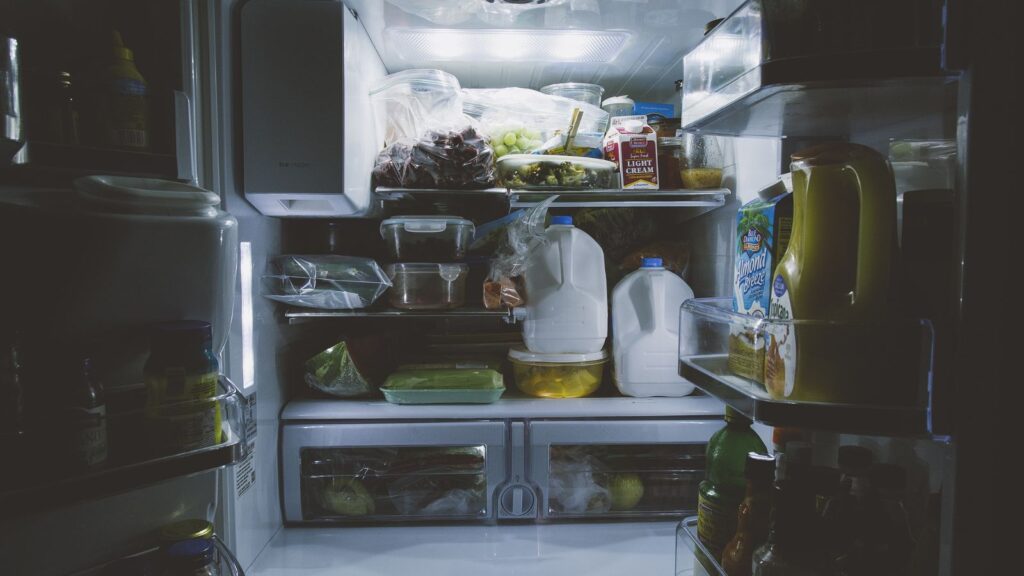
Milk belongs in the fridge, but where you put it matters. The refrigerator door is one of the warmer areas because it gets exposed to room-temperature air every time the door opens.
Keep milk toward the back of the refrigerator, where temperatures tend to stay more consistent. The USDA recommends keeping your refrigerator at 40°F (4°C) or below. Keeping the carton tightly closed can also prevent it from picking up odors from other foods.
Soft Cheeses
Soft cheeses contain more moisture than hard cheeses, which means they can spoil sooner after opening. Cream cheese, Brie, cottage cheese, and similar products can develop mold or unpleasant odors if they’re left too long.
Keep them properly wrapped and stored in a sealed container. Check the package for storage instructions and discard cheese if you see unwanted mold or notice a strange smell or texture.
Cooked Rice
Leftover rice can seem harmless, but it needs to be handled carefully. Bacillus cereus spores can survive cooking, and bacteria can multiply if cooked rice sits at room temperature for too long.
Get leftovers into the refrigerator as soon as possible rather than leaving a pot of rice sitting on the counter for hours. Store it in shallow containers so it cools faster, and use refrigerated cooked rice within three to four days. Reheat it thoroughly before eating.
Related: 16 Food-Producing Plants That Are Perfect for Small Indoor Spaces
Deli Meats
Once you’ve opened a package of sliced turkey, ham, roast beef, or similar deli meat, its clock starts ticking. Exposure to air and moisture can shorten its shelf life, and the USDA generally recommends using opened lunch meat within three to five days.
Keep deli meats in an airtight container or tightly sealed bag and store them in a cold part of the refrigerator. If the meat develops a sour smell, slimy texture, or unusual color, it’s time to throw it out.
Fresh Seafood
Fresh fish and shellfish are among the foods that need the most attention after you bring them home. Raw seafood generally has a very short refrigerator life and is best cooked within one to two days.
Keep seafood in a leakproof container on the bottom shelf of the refrigerator so juices can’t drip onto other foods. If you aren’t planning to cook it within that window, freezing is the better option.
Eggs
Eggs can last for several weeks in the refrigerator, but where you store them still matters. The refrigerator door experiences frequent temperature changes, so the middle shelf is a better spot.
Keep eggs in their original carton rather than transferring them to the built-in door tray. The carton helps protect the shells and provides the date information you may need later. The USDA provides additional guidance on egg storage and food safety.
Fresh Juice
Freshly squeezed or homemade juice doesn’t have the same shelf life as many commercial juices. Once fruits and vegetables are juiced, they’re exposed to air and can begin losing quality quickly.
Most homemade juices are best consumed within a few days and should stay refrigerated in a clean, tightly sealed container. Citrus-based juices may last a little longer, while fresh green and vegetable juices often need to be used sooner.
If you’re interested in other foods that belong in cold storage, check out this guide to 15 foods that should always be stored in the fridge.
Potatoes
The refrigerator isn’t the best place for raw potatoes. Cold temperatures can cause some of the starch in potatoes to convert into sugars, which can affect their taste and cooking characteristics.
Store whole, unwashed potatoes somewhere cool, dark, and well ventilated. A pantry or cupboard can work well. Keep them away from onions, which can cause both foods to spoil sooner.
Once potatoes have been cut or cooked, refrigeration is appropriate. Place them in a sealed container and use them within a few days.
This guide on how to store potatoes has more information about keeping them fresh.
Bread
Putting bread in the refrigerator seems like a good way to prevent mold, but it can also make bread go stale much faster. The cold environment speeds up the process that causes bread’s starches to firm up, leaving you with dry slices.
For everyday storage, keep bread in a cool, dry place at room temperature. A breadbox works well, though a properly sealed bag can do the job, too. If you have more bread than you can eat within a few days, freezing it is usually a better option than refrigerating it.
This bread storage guide has more tips for keeping loaves fresh.
Your refrigerator can save a lot of food from going to waste, but it isn’t a magic box. Storage temperature, moisture, packaging, and even where an item sits inside the fridge can affect how long it stays good.
A few small habits can help: keep your fridge at a safe temperature, store foods in the right areas, keep an eye on leftovers, and use older groceries before opening something new. That can mean fewer spoiled groceries, fewer trips to the trash, and more of the food you bought actually making it onto your plate.