
A fixer-upper can look like a great deal at first glance. The lower purchase price, the chance to customize every room, and the idea of building equity through renovations can be hard to resist.
What many buyers discover after getting the keys is that the visible projects are often the least expensive part. Fresh paint and new flooring are easy to budget for. Hidden problems behind walls, under floors, or inside aging systems are where costs can climb quickly.
Older homes often come with surprises. Electrical upgrades, plumbing repairs, water damage, foundation issues, permit fees, and rising material costs can turn a carefully planned budget into something much larger. Even small problems have a way of adding up once work begins.
That doesn’t mean buying a fixer-upper is a bad idea. It just means going in with realistic expectations and a financial cushion for the unexpected. Here are 13 hidden expenses of buying a fixer-upper that every buyer should know about before taking on a renovation project.
Structural Repairs

Some of the most enormous hidden costs include structural repairs. Many problems, from cracked foundations to undersized load-bearing walls, are usually not noticeable on a home’s first walkthrough. These repairs are essential for safety and can be costly, so you will want to fix them soon.
Electrical System Updates

Older homes may have electrical systems that can’t support the demands of
Plumbing Overhauls
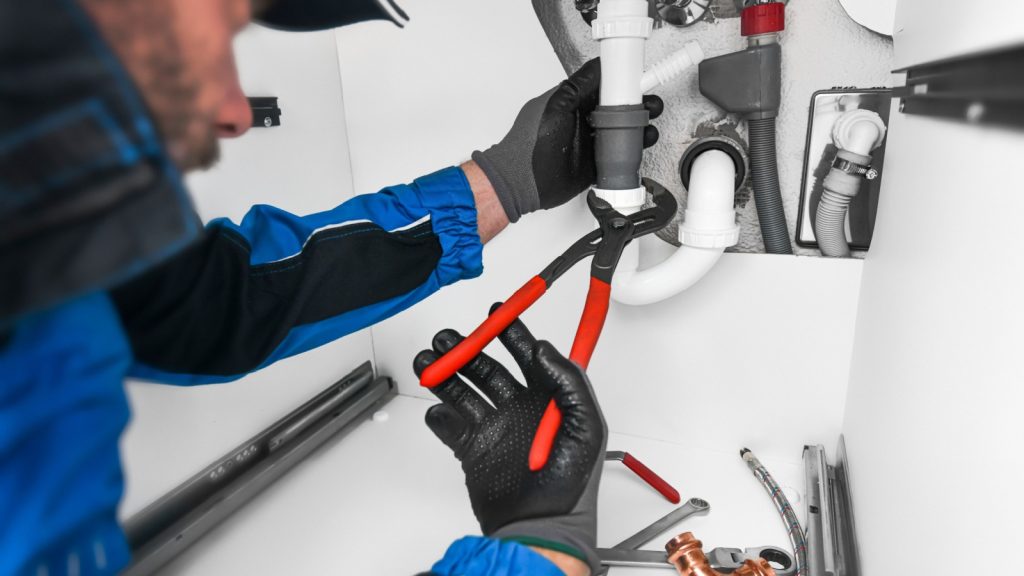
Retrofitting antiquated plumbing systems typically occurs in fixer-uppers. Corroded, gushing, or badly installed pipes are serious issues that necessitate instant solutions. Comprehensive plumbing upgrades reduce the future risk of water damage and enhance the performance of many appliances.
Roofing Repairs

A failing roof allows water to enter the home’s interior, resulting in more damage. To avoid leaks, shingles or entire roof sections may need to be replaced. These repairs were necessary to preserve the building’s safety.
Pest Infestation Remediation

Destruction can be extensive with pests such as termites, rodents, and insects, where the destruction is not obvious initially. Extermination and repairing the compromised dwellings can become very expensive. The earlier you recognize the problem, the less expensive repairs you might have to deal with in the long run.
Mold and Mildew Removal

Even if not evident in the service, mold and mildew can also harm your health and cause structural damage. But frequently, professional cleaning may be needed to eradicate them further. Mold can substantially add to restoration expenses because of its invasive nature.
HVAC System Replacement

We already know that the HVAC system may be entirely defunct in some old homes, and we are familiar with their overall inefficient design. These systems are necessary to ensure both comfort and energy savings. One must invest in new, modern HVAC systems that can save a lot of money in the long run, but all of this represents a good amount that will never be seen again.
Insulation Upgrades
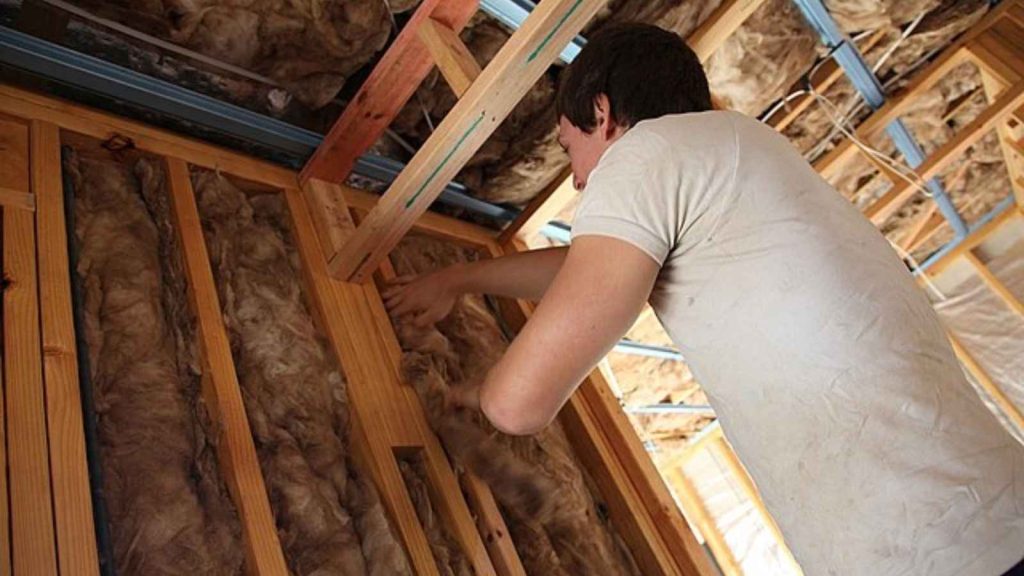
Insulation in older homes is generally less efficient. Adding insulation can help the home stay warm during winter and cool in summer. Although insulation may not be visible, ensuring your home stays at a comfortable temperature inside is important.
Window Replacement

Drafty, Inefficient old original windows must be replaced with efficient windows. This will save you money during the hot and cold months when trying to cool and heat your home on a budget. Quality windows can also transform the home aesthetically.
Removal of Asbestos and Lead Paint

Many older homes contain hazardous materials such as asbestos and lead paint. Removing them safely involves professionals whose renovation costs are driven up. Correcting these issues is important for public health and regulatory compliance reasons.
Landscaping

Landscaping can cost a lot. Making significant changes, like cutting trees in neglected, overgrown, and unkept gardens, is comparatively expensive. Attractive outdoor landscaping adds curb appeal and raises the market value of a piece of real estate.
Permits and Inspections

Most renovation projects require permits and inspections by municipalities. Regardless, these bureaucratic necessities can be a source of delay and increased expense. Your ability to navigate the permit process successfully is key to ensuring that your project moves through its various stages without any setbacks or delays that can happen if you get slowed down at permitting.
Cosmetic Upgrades

Even after addressing critical issues, cosmetic improvements like painting, flooring, and kitchen updates can add up. These enhancements are essential for transforming a fixer-upper into a modern, livable home, and planning for these costs ensures a cohesive and appealing final result.