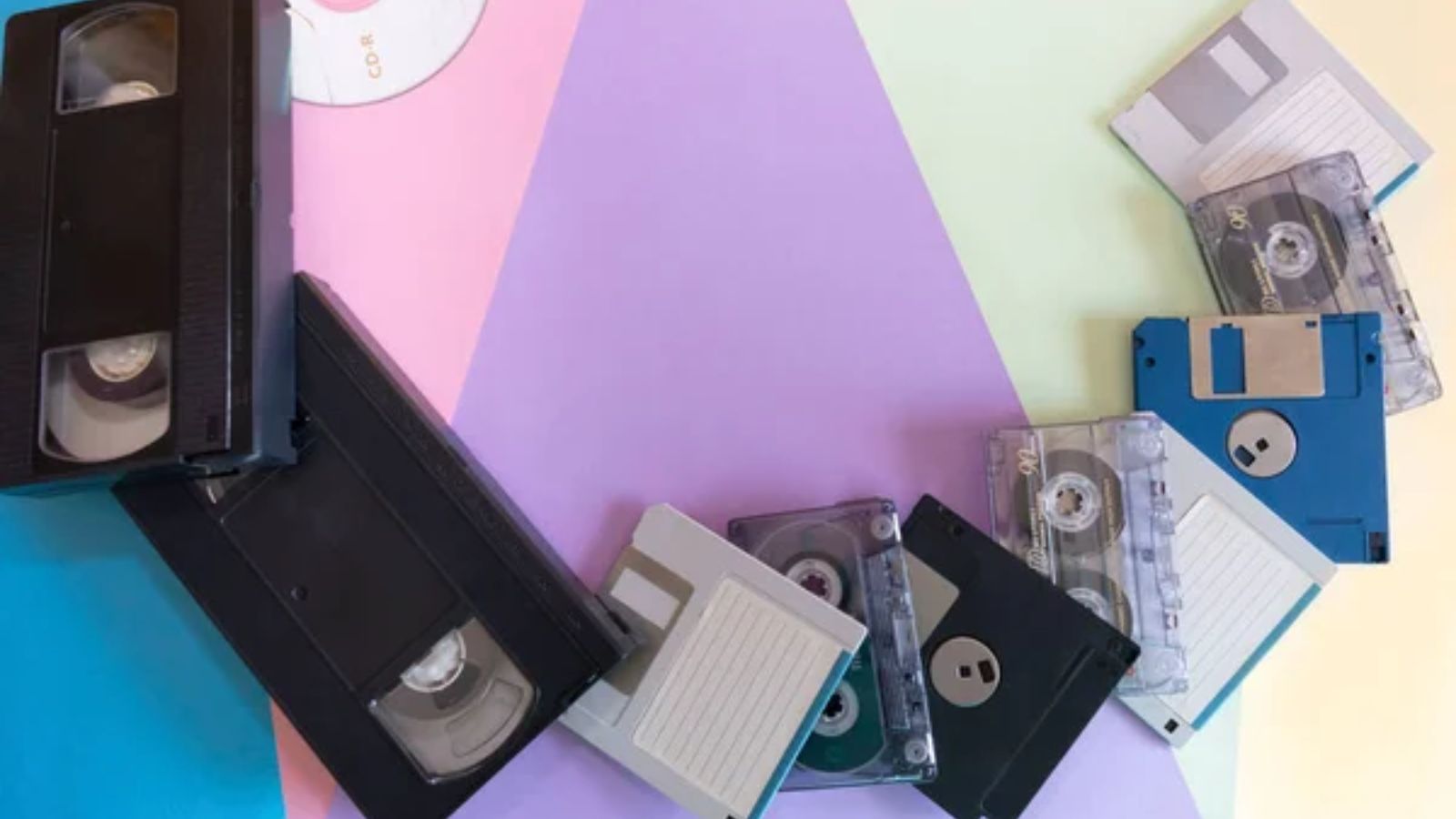
Think about how quickly cassette tapes, VHS players, and pagers disappeared. At one time, they were part of daily life. Now they’re mostly collector’s items or museum pieces.
The same thing is happening today. New technology, changing habits, and environmental concerns are making many familiar products less useful than they once were. While a few may stick around for collectors or niche users, most are slowly fading from everyday life.
Here are 17 common items that may become much harder to find over the next two decades.
Landline Phones
There was a time when every home had a landline. Today, many people rely entirely on their smartphones, making home phones feel unnecessary.
According to a HireAHelper survey, only 31% of U.S. households still had a landline in 2019, and that number has continued to fall. For younger generations, a landline is becoming something they’ve never needed.
DVDs, Blu-rays, and CDs
Streaming has changed the way people watch movies and listen to music. Instead of buying discs, most people subscribe to services that give them instant access to thousands of titles.
Research from Future Market Insights shows demand for DVDs and CDs has dropped sharply over the last decade, and sales of recordable discs continue to shrink. Physical collections may remain popular with collectors, but they’re no longer the first choice for most households.
Gas-Powered Cars
Gas-powered vehicles aren’t disappearing overnight, though their dominance is beginning to fade.
Electric vehicles continue to gain market share as battery technology improves and more charging stations are built. Virta Global estimates there could be around 250 million electric vehicles on the road by 2030, climbing to roughly 525 million by 2035. At that point, about one out of every four vehicles worldwide could be electric.
Cash and Physical Wallets
Many people now pay with a tap of their phone or smartwatch instead of reaching for cash.
Services like Apple Pay and Google Wallet have made digital payments quick and convenient. Money Transfers reported that 43.2% of U.S. consumers used mobile payments in 2020, and that figure has continued to grow as more stores accept contactless payments.
Cash isn’t disappearing completely, though fewer people carry it every day.
Paper Receipts
Many retailers now ask whether you’d like your receipt printed or sent by email.
Digital receipts are easier to store, harder to lose, and help reduce paper waste. As more businesses move toward paperless systems, printed receipts may become the exception instead of the standard.
Plastic Shopping Bags
Plastic bags have been under growing pressure for years because of their impact on the environment.
Many cities, states, and countries have introduced bans or fees to encourage shoppers to switch to reusable bags. As those policies spread, plastic shopping bags are becoming less common at checkout counters.
Incandescent Light Bulbs
Traditional incandescent bulbs use much more electricity than modern LED bulbs and burn out much sooner.
Many governments have introduced rules that encourage energy-efficient lighting, making LEDs the standard choice for homes and businesses. Finding old-style incandescent bulbs is already becoming harder in many places.
Alarm Clocks
For decades, alarm clocks sat on nearly every bedside table.
Today, most people simply use the alarm built into their phone. A YouGov survey found that 60% of smartphone users between the ages of 15 and 34 rely on their phones to wake them up each morning.
Standalone alarm clocks still have their fans, though they’re no longer a household necessity.
Fax Machines
Fax machines were once a staple in offices everywhere.
Email, cloud storage, and electronic signatures have made sending paper documents much less common. While a few industries still rely on faxing for legal or medical paperwork, many businesses have already retired their machines.
Standalone GPS Devices
Dedicated GPS units were once the easiest way to get directions on the road.
Now almost every smartphone includes GPS navigation with live traffic updates, alternate routes, and business listings. Since most people already carry a phone, there’s little reason to buy a separate navigation device.
Printed Newspapers
Many readers now get their news online instead of waiting for a printed paper.
Digital subscriptions continue to grow while print circulation keeps shrinking. Yahoo News reported that online news consumption passed print readership back in 2010, and that gap has widened over the years.
Weekend editions and local papers may continue for some time, though daily printed newspapers are becoming less common.
TV Remote Controls
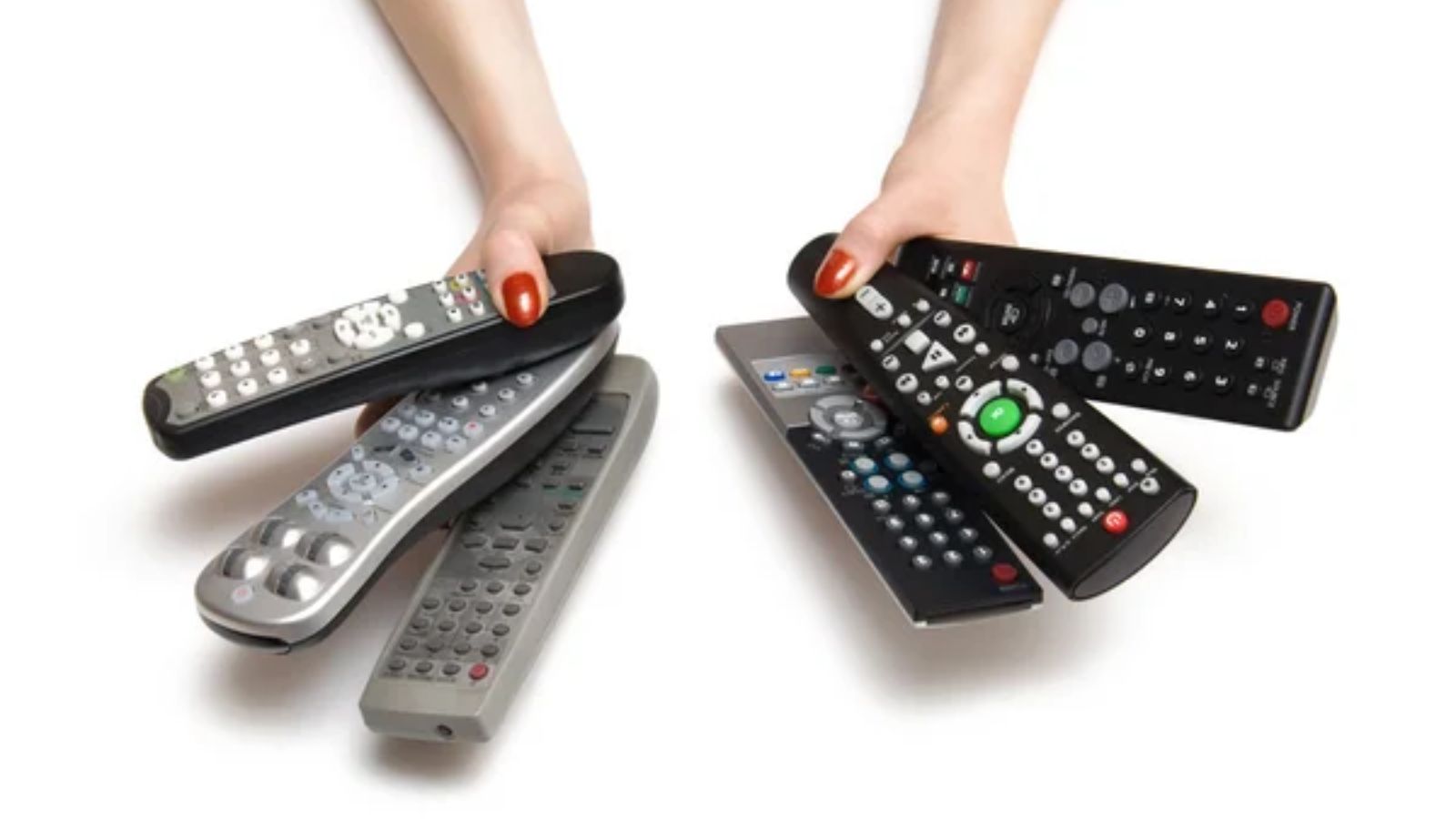
The familiar TV remote may not disappear entirely, though it may no longer be the main way people control their entertainment.
Many smart TVs now respond to voice commands, while home assistants like Alexa and Google Home can change channels, adjust volume, or launch streaming apps without pressing a single button.
Checkbooks
Writing checks used to be part of everyday banking.
Today, online banking, mobile payment apps, and direct transfers have replaced much of that paperwork. Federal Reserve data shows ACH debit transfers passed check payments in 2018 for the first time, marking a major change in how Americans move money.
Many younger adults have never written a personal check.
Paper Maps
Road atlases and folded city maps were once road trip essentials.
GPS apps like Google Maps and Waze now provide live traffic updates, turn-by-turn directions, and route changes within seconds. Studies suggest that about 75% of smartphone owners regularly use navigation apps, making printed maps far less common.
Public Payphones
Finding a public payphone has become surprisingly difficult.
Once mobile phones became affordable and widely available, demand for payphones dropped. New York City removed its last public payphone in May 2022, closing the chapter on something that had been part of city streets for generations.
Printed Photos
Most photos never leave our phones anymore.
Cloud storage, social media, and digital albums have replaced stacks of printed pictures for many families. Research from Connectbit found that 71% of smartphone users store their photos in the cloud instead of printing them.
Printed photo albums will likely remain special keepsakes, though they may become much less common.
Desktop Computers
Desktop computers still make sense for gaming, engineering, video editing, and other demanding work.
For everyday tasks, many people now prefer laptops or tablets because they’re easier to carry and take up less space. Portable devices have outsold desktop computers for years, showing just how much consumer habits have changed.
Desktop PCs aren’t likely to disappear completely, though they’ll probably become a more specialized tool rather than the default computer found in every home.