



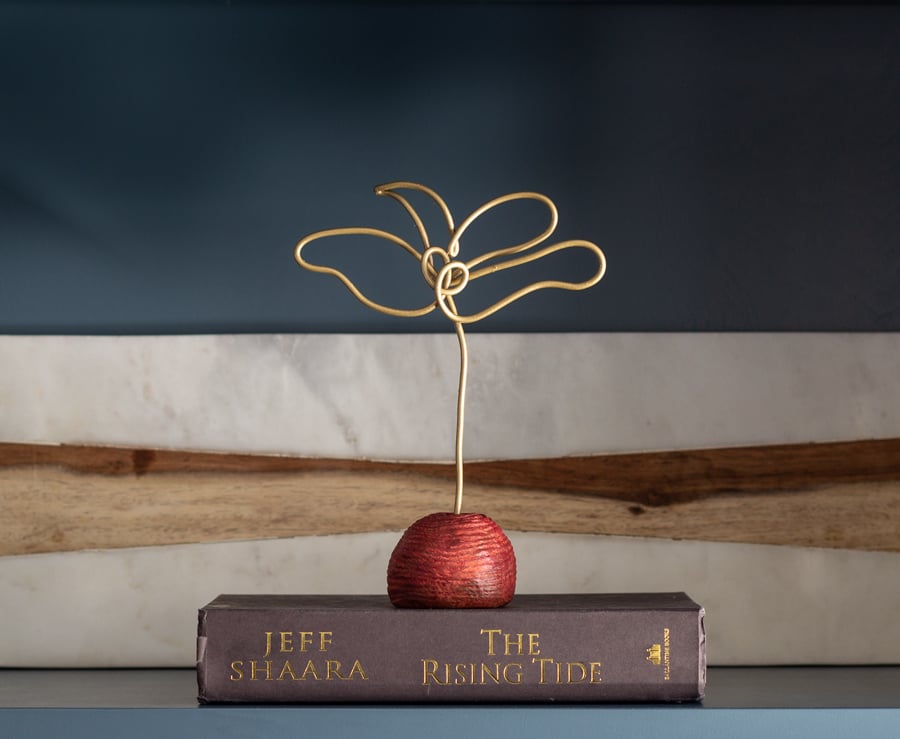
Craft wire is a fun material to work with for anyone looking to create unique art projects, from intricate sculptures to striking home decor items.
In my experiments with craft wire, I’ve found that it’s easy to manipulate, giving me so much freedom to experiment. Wire crafting can range from elaborate designs that take days or weeks to complete, to simpler pieces that even beginners can enjoy making. Some popular craft wire ideas include wire-wrapped jewelry and wall art.
Types of Craft Wire
Copper Wire
Copper wire is one of my favorite materials to work with. It is flexible, bendable, and versatile, making it perfect for a variety of craft projects.
Steel Wire
Steel wire, unlike copper wire, is known for its strength and durability. In my experience, it is ideal for projects that require a sturdy structure or framework. For example, steel wire can be used to create plant supports, attach beads for jewelry making, or even create wire sculptures. However, steel wire is not as easy to bend and manipulate as copper wire, so it might not be the best choice for intricate or detailed projects.
Tin
Tin is another material that can be used in craft wire projects. While not as malleable as copper wire or as strong as steel wire, tin offers a nice balance between the two. Tin can be useful for creating wire frames for models or artwork, or even making jewelry pieces with a different aesthetic appeal compared to copper wire.
Important Wire Art Tools and Materials
Wire Cutters
When working with craft wire, one of the primary tools I need is a pair of wire cutters. These cutters help me easily and accurately trim the required lengths of wire for each project. There are various types of wire cutters available, but I find diagonal cutters work best for me as they cut cleanly and allow for precise trimming.

Pliers
Another key tool in my wire crafting arsenal is a set of pliers. There are several types of pliers, each serving a distinct purpose. For example:
- Chain-nose pliers have a flat, tapered jaw that helps me grip, bend, and manipulate wire.
- Round-nose pliers are used to create loops and curves in wire, thanks to their round, conical tips.
- Flat-nose pliers have a wide, flat surface that’s perfect for holding and working with larger wire pieces or applying pressure.
- Nylon jaw pliers are my go-to choice when I need to straighten or reshape wire without leaving marks or damaging the surface.
Wire Jig
A wire jig is an incredibly helpful tool for creating consistent shapes and patterns in my wire art. These adjustable jigs have small pegs that I can arrange into custom designs, which I then wrap the wire around to achieve my desired form, maintaining consistency across my craft projects.
In summary, a well-equipped toolkit for wire crafting should include wire cutters, various types of pliers, and a wire jig. These tools will help you, as they do for me, to create beautiful and intricate projects while ensuring accuracy and consistency in your work.

Selecting Wire Thickness
When working with craft wire, selecting the right thickness for your project is important. Thickness, commonly referred to as gauge, plays a crucial role in determining the final look and feel of your creation.
To start, it’s important to understand that the lower the gauge number, the thicker the wire. Thicker wire, ranging from 18 to 22 gauges, is ideal for providing a strong base for your project if you intend to attach thinner wire and beads. For instance, 22-gauge wire is suitable for crafting earring wires as it provides the necessary support while still being lightweight.
On the other hand, thinner wires such as 26 or 28 gauge are perfect for more intricate details and delicate designs, including knitting wire on a spool. These thinner gauges are also suitable for making smaller, finer loops and twists.
When working with craft wire, you may encounter various materials, including copper, aluminum, and stainless steel. It’s crucial to consider the properties of these materials when selecting wire thickness for your project. For example, copper wire is ideal for creating decorative items such as ornaments and wall art, as it is flexible and easy to work with.
The key to selecting the right wire thickness for your craft project is understanding the gauge system and considering how the thickness will affect the final outcome of your design. Don’t be afraid to experiment with different gauges and materials to find the perfect combination for your creative vision.
Jewelry Projects
Necklace Pendant
When working with craft wire, one of my favorite projects is creating a beautiful necklace pendant. I like to use a thicker wire, such as 16 to 18-gauge, to form the main shape of the pendant.
Then, I use a thinner wire, like 26-gauge, to wrap beads, crystals, or other decorative elements around the main shape. I’ve found that round-nosed pliers are particularly useful for creating loops and curves in the wire pendant designs.
Bracelets
Making bracelets with craft wire is another enjoyable project, as there are endless possibilities for designs and styles. I enjoy experimenting with various wire gauges and incorporating different materials into my bracelets, such as beads or gemstones.
For a simple bangle style, I might use 14-gauge wire and create a coil effect by wrapping a thinner wire around it. I’ve also found that wire wrapping techniques can be used to secure beads or stones onto a bracelet, adding a unique touch to the design.
Beaded Jewelry
Craft wire is an excellent material for creating beaded jewelry, as it offers flexibility and durability. When working with beads, I often use 22 to 24-gauge wire, depending on the size and weight of the beads. One of my favorite beaded jewelry projects involves threading beads onto the wire and then twisting or braiding the strands together to form a multi-strand necklace or bracelet. Another technique I enjoy using is wire crochet, which involves weaving the wire and beads together using a crochet hook to create intricate, lacy designs.
When working with craft wire, it’s essential to practice and experiment with different techniques to develop your own personal style. It’s also important to use quality materials and tools to ensure your jewelry creations are both stunning and long-lasting.
There are so many things you can make with it. Here are just a few more examples:
- Ornaments
- Home Decor
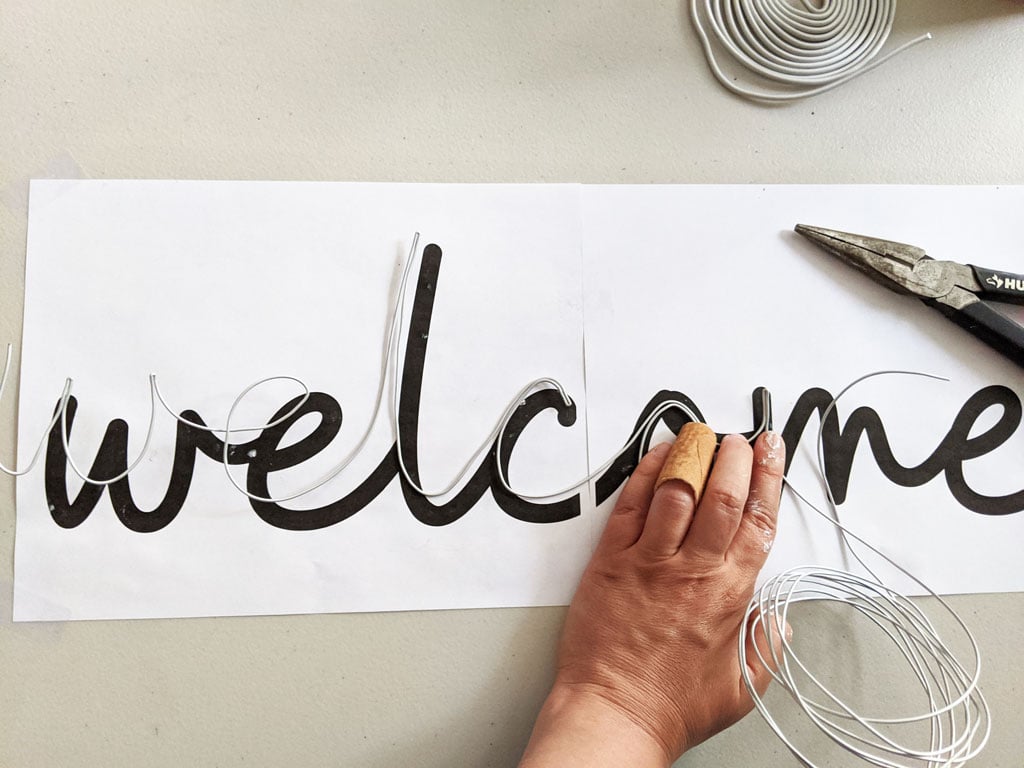
- Wire word art for wall decoration. This allows me to personalize my living space by showcasing words or phrases that have special meaning to me.