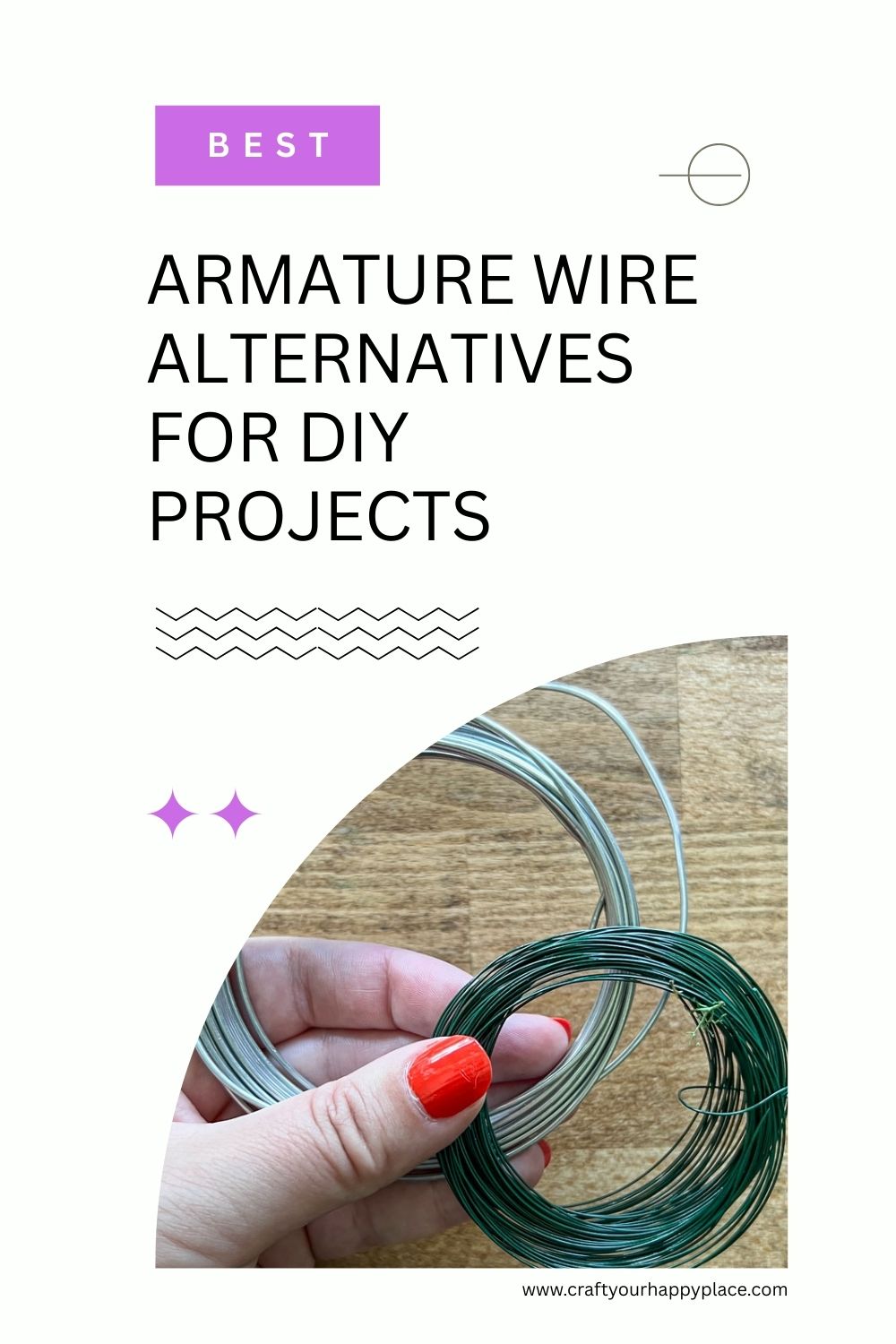

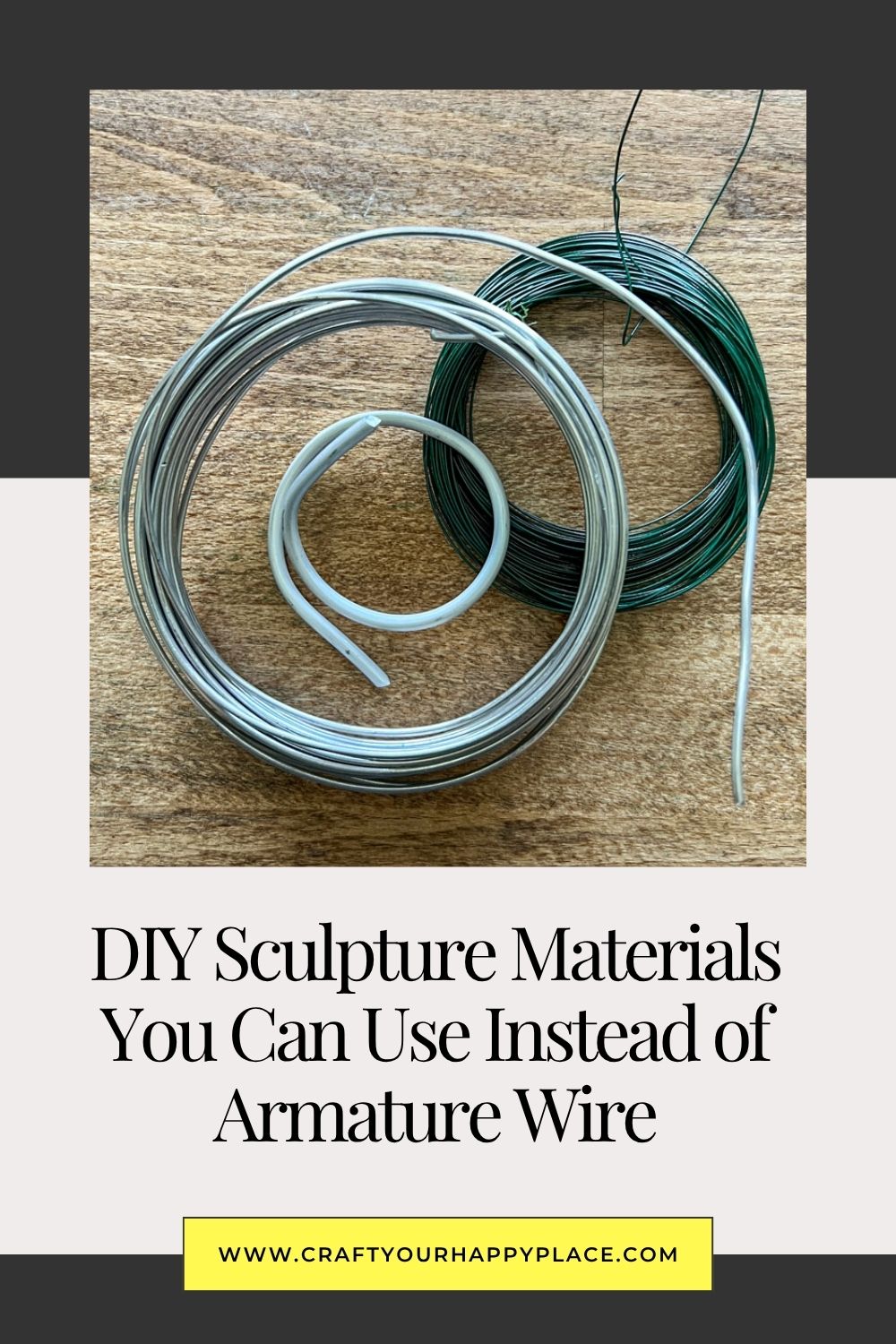
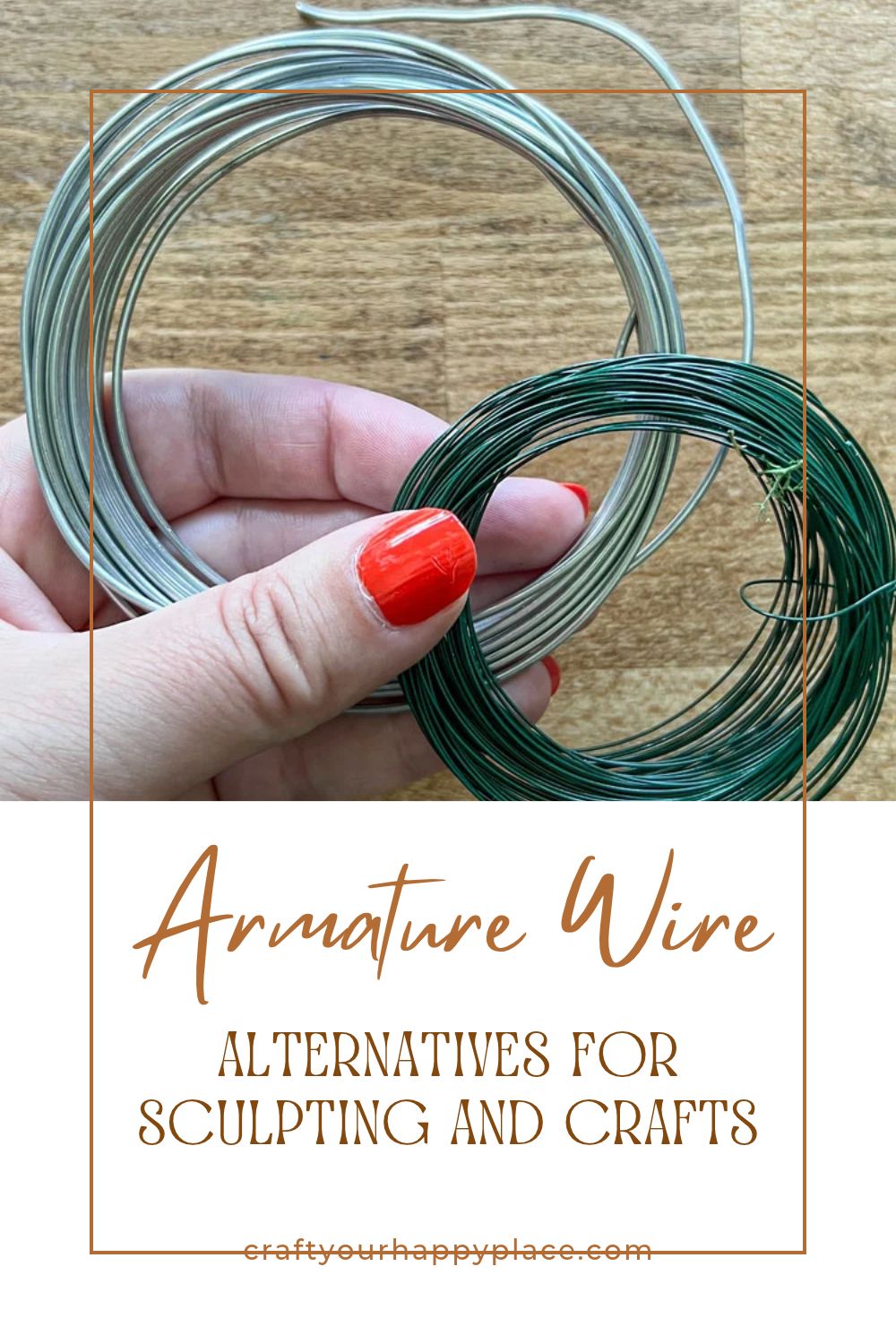

When working on a sculpture or a multimedia project, using armature wire is almost always the go-to choice, thanks to its flexibility and durability. However, there may be occasions when wire is not easily available, or you may simply want to explore alternative materials for your project. In these situations, it’s essential to know that there are several options available as substitutes for armature wire.
One common alternative to armature wire is using metal clothes hangers, which can be obtained for free from dry cleaners or your own closet. These come in limited gauges, but they can be suitable for smaller projects. Another viable option is galvanized wire, which is known for being strong, inexpensive, and easy to find source. Additionally, some sculptors opt for steel and iron as alternatives for more sturdy armatures, despite their more challenging workability.
Aside from metal options, using non-metal materials for armatures, such as foil or even paper, is also worth considering. These materials might require additional support or reinforcement, but when utilized properly, they can offer a cost-effective and versatile solution for your sculpture endeavors. Keep in mind that the key is to find the right balance between strength, flexibility, and workability that best suits the specific requirements of your project.

Common Armature Wire Alternatives
Aluminum Craft Wire
Aluminum craft wire is lightweight, easy to work with, and holds its shape well. It is also available in a variety of thicknesses and colors, allowing for more creativity in your projects. Look for options such as Zelarman Aluminum Craft Wire for a high-quality product.
Copper Sculpture Wire
Copper wire is another suitable alternative to traditional armature wire. It is known for its malleability, which makes it easy to shape and manipulate into the desired form.
Copper sculpture wire is also available in various gauges, allowing for flexibility in creating your armature. Mandala Crafts Anodized Aluminum Wire is an example of a copper wire product suitable for use in sculptures.

Stainless Steel Wire
For a sturdier and stronger armature, consider using stainless steel wire. This type of wire is more rigid and durable than aluminum and copper, making it ideal for projects that require additional support. Jack Richeson Armature Wire is a popular stainless steel wire option to explore for your armature needs.
While the common alternatives to traditional armature wire include aluminum craft wire, copper sculpture wire, and stainless steel wire, the choice largely depends on your preferences and project requirements. Remember to consider factors like strength, flexibility, and budget when selecting the right wire for your sculpture projects.
Selecting the Right Wire Gauge and Hardness
Considering Wire Gauges
When selecting a suitable alternative for armature wire, it’s essential to consider the wire gauge. The wire gauge refers to the physical size of the wire, with a smaller gauge number indicating a larger wire diameter. Common sizes include 16-gauge, 14-gauge, 12-gauge, 10-gauge, 8-gauge, 6-gauge, and 2-gauge wire.
To determine the appropriate wire gauge for your project, consider the carrying capacity and the amount of current the wire needs to conduct (measured in amperage or amps). Some popular wire gauges and their typical uses are:
- 22 to 24 gauge: Best suited for small electronic projects, such as circuit boards and prototyping
- 18 to 20 gauge: Ideal for low-voltage lighting and speakers
- 14 to 16 gauge: Commonly used for household wiring, such as lighting circuits and outlets
- 10 to 12 gauge: Suitable for high-powered appliances and heavy-duty projects
Understanding Wire Hardness
Another crucial aspect of selecting a suitable wire replacement for armature wire is the wire’s hardness. Wire hardness refers to the ease with which a wire can bend and retain its shape. It’s essential to choose a wire that is flexible enough to mold but rigid enough to hold its shape.
The hardness of a wire is affected by its material and manufacturing process. Soft or annealed metals are more bendable, while hard-drawn metals are more rigid.
Aluminum, copper, and steel are the most common materials used in wires, each with different hardness properties:
- Aluminum: Lightweight and flexible, but susceptible to breakage without proper support
- Copper: Excellent conductor that’s pliable, making it ideal for various applications
- Steel: Rigid and sturdy, perfect for projects that require a strong support structure
When selecting a wire for your project, consider the balance of flexibility and rigidity required. For a more malleable wire, choose one with a smaller gauge and made from a softer material, like copper. For added support and structure, opt for a larger gauge and a harder material, such as steel.
By considering both wire gauges and wire hardness, you’ll be well-equipped to find a suitable alternative for armature wire in your projects.
Wire and Sculpting Medium Compatibility
Different sculpting mediums require specific types of wire to create the ideal armature. When choosing a wire for your sculpture, it’s important to consider the compatibility of the armature wire with the sculpting medium. In this section, we will look at three different sculpting mediums: clay, plaster, and paper.
Clay Sculptures
Clay sculptures require a sturdy and flexible wire that can hold the weight of the wet clay while also being malleable enough to bend into various shapes. Aluminum wire is a popular choice for clay sculptors because it is lightweight and easy to manipulate, yet strong enough to support the clay structure.
Another option is steel wire, which is stronger than aluminum but can be difficult to bend, especially in thicker gauges. When working with polymer clay, it’s advisable to use a safe armature for baking, such as thin wire, toothpicks, or wooden skewers.
Plaster Sculptures
For plaster sculptures that involve additional weight, a stronger and more rigid wire is required for the armature. Steel wire may be a better choice in this case because it provides excellent strength without being overly heavy.
Remember that the armature needs to support the plaster securely, so choosing a thicker wire gauge is often recommended for this medium. When working with plaster, ensure that you create a tight, well-formed core to prevent the plaster from settling incorrectly.
Paper Sculptures
Paper sculptures usually require a more delicate and flexible wire due to their lightweight nature. You can find dedicated wire options specifically designed for paper sculptures, which are typically made from copper or brass.
These wires are not only highly bendable but also hold their shape well once the desired form is achieved. Additionally, paper sculptures can also incorporate string, thread, or even fishing line, depending on the desired effect and level of detail.
Frequently Asked Questions
Alternative materials for armature?
When you don’t have armature wire on hand, you can use alternative materials for your projects. One option is to use metal clothes hangers, which can provide a limited range of gauges and are often available for free from dry cleaners. Another possibility is using 18-gauge wire that is bendable, strong, and holds its shape well.
Cheap armature wire substitutes?
Finding a cheap alternative to armature wire can be as simple as repurposing items you have at home. As previously mentioned, metal clothes hangers can work as an adequate substitute. For other budget-friendly options, visit your local DIY store or garden center to explore various wire gauges and types.
DIY armature wire options?
Creating a DIY armature wire can be achieved using materials you already have or can easily find. Metal clothes hangers, as mentioned earlier, are a popular option among artists. Additionally, you may find suitable wire materials, like binding or electrical wires, at your local hardware store.
Best wire for sculpting?
The best wire for sculpting depends on your specific project and personal preferences. Factors to consider when choosing a wire include gauge, type, and hardness. Different projects may require different types of wire, so it’s essential to consider your needs before selecting the best wire for your sculpture.
Wire for clay sculpture?
When working with clay sculptures, it’s crucial to choose a wire that provides a strong and flexible armature. Standard options for clay sculpture armatures include aluminum and 18-gauge wire. Other artists may prefer to use wire coat hangers or other accessible materials.
Types of moldable wire?
Several types of moldable wires can be used in sculpting projects, depending on the desired style and flexibility. Generally, aluminum, copper, and steel wires are popular choices for armatures due to their moldability and strength. The gauge and hardness of the wire will also play a role in determining its suitability for your project.