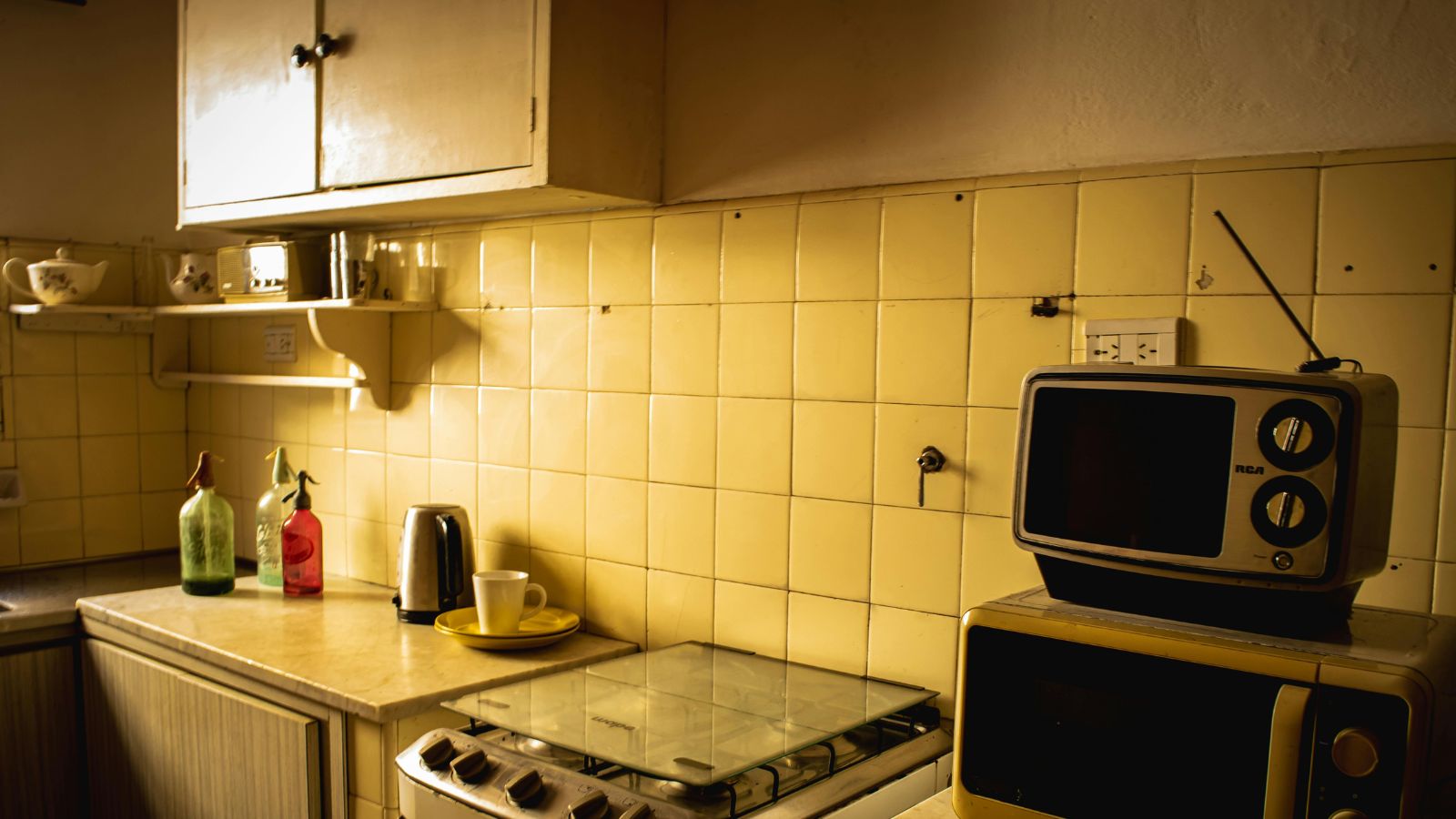

Looking back at the lost features that used to be essential parts of our homes in the past can be nostalgic. Many of these features had a timeless appeal missing from most modern homes. Changing trends, tastes, and needs have pushed them aside.
As the 2022 U.S. Houzz and Home Study found, homeowners’ median spending rose 20% from $15,000 in 2020 to $18,000 in 2021, reflecting the transition toward more custom and practical home designs. Read on for 13 timeless home features that have vanished for good and what their disappearance tells us about the evolution of home design.
Formal Dining Rooms

Formal dining rooms were once a must-have in homes. They were designed and used for hosting elegant dinners and family gatherings. However, according to surveys in 2015 and 2016 by the National Association of Home Builders, 86 percent of households now want a combined kitchen and dining room.
The ideological shift towards open-plan living and casual dining has made these rooms redundant. Homeowners now prefer spaces that encourage occupants to interact and connect.
Dutch Doors

Dutch doors had great appeal given their practical split configuration. They were a pretty fixture in most old houses. Dutch doors allowed for both ventilation and communication, but also ensured security.
Their popularity has gone down as technological advancements have given us central air conditioning and modern security cameras, both of which provide more comprehensive solutions.
Sunken Living Rooms
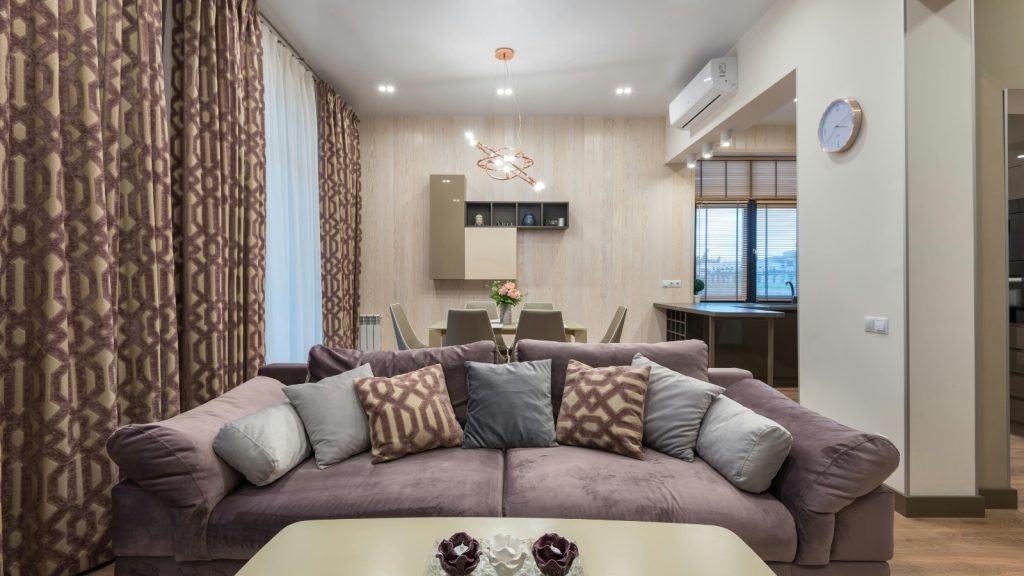
Homes with recessed living rooms were commonplace in the 1960s-70s. Their appeal was in how they provided a discrete but cozy gathering space. In the words of the design historian Alessandra Wood, “this conversation pit was about connecting people.”
Despite these benefits, by the 1980s, these spaces had become less and less popular because of the safety and accessibility issues they had. Coupled with the desire for open, single-level spaces, these rooms are slowly disappearing.
Mudroom

Mudrooms have evolved from mere hallways to space-saving and convenient storage rooms. According to a Houzz survey, 57 percent of homeowners consider modern mudrooms an absolute necessity in 2020.
The modern mudroom is built with custom cabinets, built-in benches, and ample storage to act as a working environment, not an add-on.
Wallpaper

Wallpaper was heavily used to cover the walls of many homes with its intricate designs and textures. But a research report on the U.S. Wall Covering and Wall Decor Market stated that demand for wallpaper is hampered by the difficulty in putting in or removing wallpaper. There are also many options available that give better affordable décor solutions.
Homeowners prefer using paint, which has become more popular given its ease of application, longevity, and maintenance.
Popcorn Ceilings

Popcorn ceilings, or textured ceilings, were a popularly used style in the 1950s through the 1980s. These ceilings were initially favored for their soundproofing and ability to conceal flaws.
The Environmental Protection Agency discourages the use of asbestos-containing material (ACM). At the time, such material was heavily used for its fireproofing abilities.
Formal Entryways

Formal entryways that were once a grand introduction to a home have become less common as open-concept layouts gain popularity. The National Association of Realtors reports that homebuyers prefer open and inviting entryways that seamlessly connect to living spaces.
It is a reflection of wishing to create an environment on the entry to a home that is more welcoming and more inclusive.
Clawfoot Tubs

Clawfoot tubs, with their elegant and classic design, were once a luxurious bathroom feature. “Traditionally, claw-foot baths had a Victorian-style ball-and-claw design, but today any tub on feet is often called a claw-foot,” writes correspondent Barbara Peck in Remodeling 101.
Modern bathrooms hardly include these tubs, as homeowners opt for new-age materials and space-saving designs.
Chandeliers

Chandeliers are not that popular today. In a survey by Forbes, nearly 90% of the survey respondents rated simple living as important, portraying a shift in preference towards minimalist homes.
This trend has been influenced by homeowners’ desire for understated fixtures able to harmonize with modern interior designs and meet their energy efficiency concerns as well.
Hidden Rooms and Home Libraries

Having hidden rooms and home libraries used to exude mystery and charm, but this has greatly reduced in recent years. The allure of secret spaces has been replaced by the need for open and multifunctional living areas.
Home libraries still hold appeal with book lovers, but the dynamic digital age, coupled with minimalistic design trends, has made them seem unnecessary.
The Parlor

Historically, parlors used to be the heart of social gatherings in a home, serving as a space for conversation and entertainment. According to Teaching With Themes, parlors equipped with an organ or piano were indicators that the family could afford to splurge on a large musical instrument, enough leisure time to enjoy it, and the relevant culture and skill to play it.
Innovation in production methods for more affordable parlor organs and pianos made these musical instruments available to all. Modern living is equipped with entertainment centers and comfortable seating, taking over the parlor’s role in the home.
Built-In Furniture

Many homeowners in the past saw the practical and aesthetic perks of having built-in furniture. This feature often came with creative storage solutions that seamlessly added to your home’s architecture.
According to Straits research, the global customized furniture market size was valued at USD 31.50 billion in 2023. However, you will rarely come across built-in furniture today, given the preference for flexibility and adaptability in modern homes.
Phone Nooks

Phone nooks were small alcoves designed for landline telephones and were a practical feature in mid-20th-century homes. With the advent of mobile phones and wireless technology, phone booths have become obsolete.
A study by the Pew Research Center shows that today, 97% of Americans own a cellphone, making dedicated phone spaces unnecessary in modern homes. Modern homes are designed to have charging stations for digital devices, replacing the once-ubiquitous phone nook.