
Maintaining healthy arteries plays a big part in keeping your heart in good shape. Over time, cholesterol, inflammation, high blood pressure, smoking, diabetes, and other factors can contribute to plaque buildup inside the arteries, raising the risk of heart attack and stroke.
The American Heart Association has long identified heart disease as the leading cause of death in the United States. Research published in the Journal of the American Medical Association has also found that poor diet is one of the biggest contributors to cardiovascular disease.
No single food can reverse clogged arteries, but eating more heart-friendly foods can help lower cholesterol, reduce inflammation, support healthy blood pressure, and improve overall cardiovascular health. Here are 20 foods worth adding to your menu.
Olive Oil
Extra virgin olive oil is a staple of the Mediterranean diet for good reason. It’s rich in monounsaturated fats that can help lower LDL (“bad”) cholesterol while supporting HDL (“good”) cholesterol.
Use it as a salad dressing, drizzle it over roasted vegetables, or use it for light cooking instead of butter or highly processed oils.
Related: 14 Strange Food Competitions That Have Become Local Traditions
Nuts
Almonds, walnuts, pistachios, and hazelnuts are packed with healthy fats, fiber, and plant compounds that support heart health. Walnuts also provide plant-based omega-3 fatty acids.
A small handful makes a filling snack and may help improve cholesterol levels when eaten regularly.
Related: 17 Underrated Fast-Food Restaurants You’ll Want to Try
Berries
Blueberries, strawberries, raspberries, and blackberries are loaded with antioxidants that help protect blood vessels from oxidative stress and inflammation.
Fresh berries are delicious on oatmeal, yogurt, smoothies, or simply eaten by themselves.
Related: 10 Fast Food Restaurants With the Best Healthy Menu Options
Fatty Fish
Salmon, sardines, trout, and mackerel are among the best dietary sources of omega-3 fatty acids. These healthy fats help lower triglycerides and support healthy blood vessel function.
The American Heart Association recommends eating fatty fish at least twice a week.
Related: 10 African Foods That Deserve a Spot on Every Food Lover’s Bucket List
Avocados
Avocados contain heart-friendly monounsaturated fats along with fiber and potassium. This combination may help support healthy cholesterol and blood pressure levels.
Slice avocado onto toast, toss it into salads, or blend it into smoothies for extra creaminess.
Whole Grains
Oats, barley, quinoa, brown rice, and whole wheat provide fiber, especially soluble fiber, which helps remove cholesterol from the body before it’s absorbed.
People who regularly eat whole grains tend to have a lower risk of heart disease than those who eat mostly refined grains.
Leafy Greens
Spinach, kale, Swiss chard, and collard greens supply vitamins, minerals, antioxidants, and nitrates that support healthy blood vessels and circulation.
They’re easy to work into salads, soups, omelets, and smoothies.
Citrus Fruits
Oranges, grapefruits, lemons, and limes are rich in vitamin C and plant compounds that may help reduce inflammation while supporting healthy blood vessel function.
Enjoy fresh citrus as a snack or add lemon juice to water, fish, or vegetables.
Red Grapes
Red grapes contain resveratrol and other antioxidants that help protect blood vessels from damage caused by inflammation and oxidative stress.
Fresh grapes make an easy snack and pair well with cheese and nuts.
Green Tea
Green tea contains catechins, natural antioxidants that have been linked to improved cholesterol levels and better blood vessel function.
Replacing sugary drinks with unsweetened green tea is a simple change that benefits overall health.
Turmeric
Turmeric contains curcumin, a natural compound studied for its anti-inflammatory properties. Some research suggests it may support healthy blood vessels as part of an overall balanced diet.
Add turmeric to soups, curries, rice dishes, or warm milk.
Garlic
Garlic has been studied for its potential to help lower blood pressure and cholesterol levels in some people.
Fresh garlic provides the most flavor and can be added to vegetables, sauces, soups, and marinades.
Chia Seeds
These tiny seeds are full of fiber, omega-3 fats, and plant protein. They can help support healthy cholesterol levels while keeping you feeling full longer.
Sprinkle chia seeds over yogurt, oatmeal, or smoothies, or use them to make chia pudding.
Tomatoes
Tomatoes are one of the richest sources of lycopene, an antioxidant linked to heart health.
Cooking tomatoes can increase the amount of lycopene your body absorbs, making tomato sauces and soups good choices.
Pomegranates
Pomegranates are rich in antioxidants that may help support healthy blood flow and protect blood vessels from oxidative damage.
Enjoy the seeds as a snack or add them to salads and yogurt.
Legumes
Beans, lentils, peas, and chickpeas are high in fiber, protein, and minerals while being naturally low in saturated fat.
Swapping meat for legumes a few times each week can help support both heart health and cholesterol management.
Broccoli
Broccoli supplies fiber, vitamin C, vitamin K, and sulforaphane, a plant compound being studied for its role in supporting cardiovascular health.
Steam, roast, or stir-fry broccoli for an easy side dish.
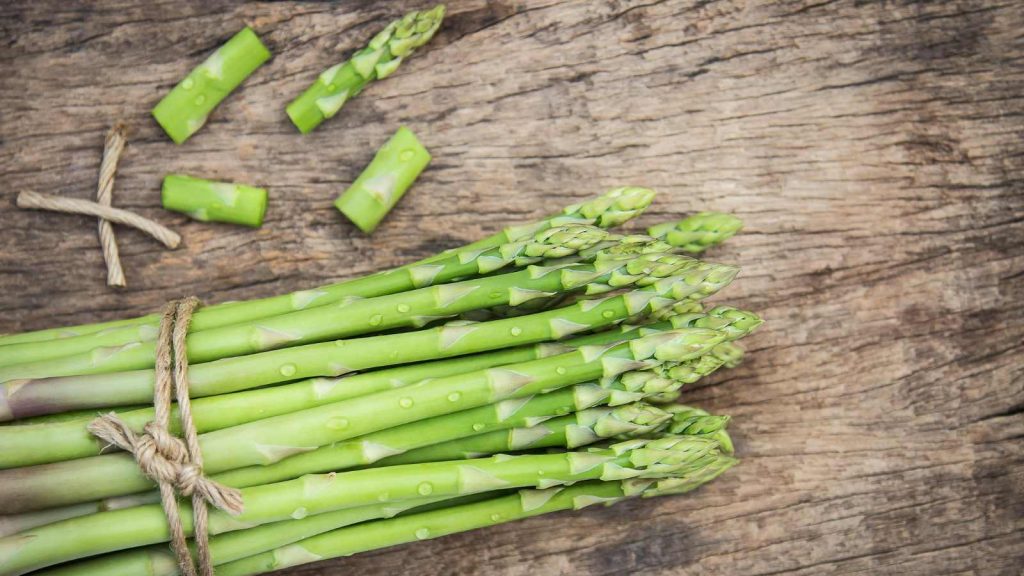
Asparagus
Asparagus provides fiber, folate, antioxidants, and potassium, all of which contribute to a heart-friendly eating pattern.
Roasting asparagus with olive oil and garlic brings out its natural sweetness.
Dark Chocolate
Dark chocolate with at least 70% cocoa contains flavonoids that may support healthy blood vessel function.
A small square makes a satisfying treat, though moderation is still important because chocolate contains calories and added sugar.
Onions
Onions contain quercetin, a natural antioxidant that has been studied for its potential role in supporting healthy blood pressure and reducing inflammation.
Raw onions add crunch to salads and sandwiches, while cooked onions bring rich flavor to soups, stews, and roasted vegetables.