Buying a house is a major financial commitment, and a home inspection gives you a chance to learn about the property’s condition before closing. An inspector can spot visible damage, flag potential repairs, and point out areas that deserve a closer look.
Still, a standard inspection has limits because many parts of a house are hidden behind walls, beneath floors, or blocked by furniture and stored belongings. Some issues also require special equipment or a separate visit from a qualified trade professional, so knowing what an inspection may miss can help you ask better questions before buying.
1. Electrical Problems Hidden Behind Walls
An inspector can examine the electrical panel, test accessible outlets, and look for visible warning signs, but concealed wiring and connections may not be checked in detail. If the house has old wiring, signs of amateur electrical work, or repeated electrical problems, arrange for a licensed electrician to examine the system.
Related: 13 Sneaky Food Safety Problems Lurking in Your
2. Small Plumbing Leaks That Don’t Appear During the Visit
A slow leak may happen only after a shower runs for several minutes, an appliance completes a cycle, or heavy rain reaches the house. Water stains, musty odors, damaged drywall, and swollen flooring can point to moisture problems that deserve further investigation.
Related: 14 Common Electrical Problems You Shouldn’t Ignore
3. Structural Damage That Needs a Closer Look
An inspector may notice foundation cracks, sloping floors, sagging roof lines, or other visible warning signs, but identifying the cause and extent of the damage can require more specialized work. If structural concerns come up, ask a qualified structural engineer to evaluate the affected areas before committing to costly repairs.
Related: 10 Hidden Garage Hazards That Could Cause Serious Problems
4. HVAC Problems That Aren’t Obvious Yet
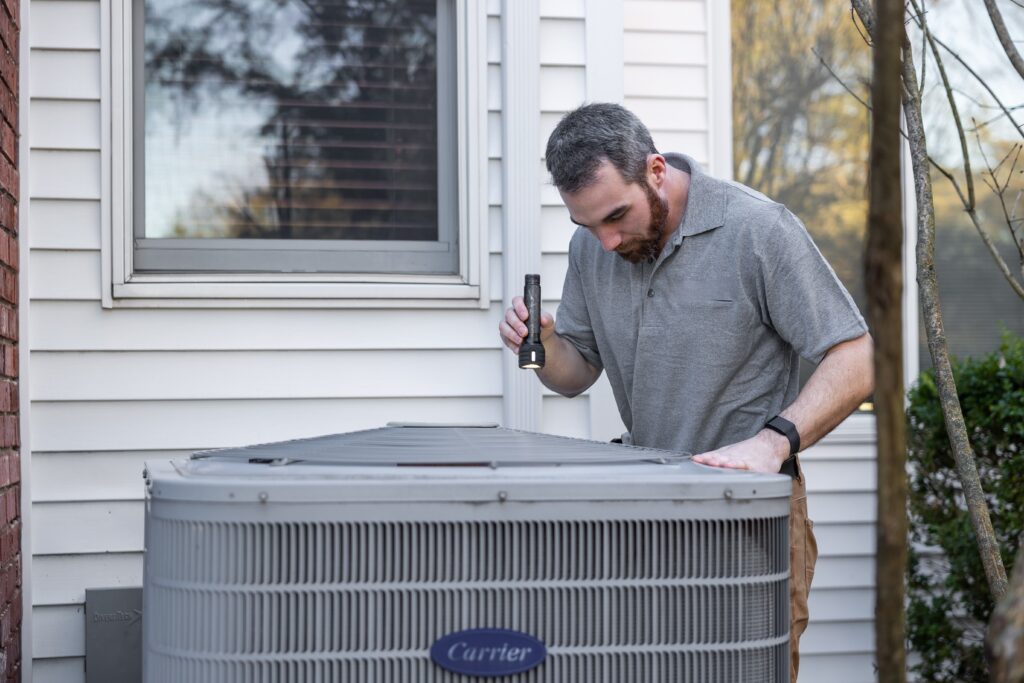
A furnace or air conditioner can turn on during an inspection without revealing every internal fault or showing how much useful life remains. If the equipment is old, has a poor service history, or cannot be tested fully because of the weather, an HVAC technician can provide a more detailed evaluation.
Related: 13 Easy Fruits to Grow at Home for a Fresh Backyard Harvest
5. Sewer Line Damage Underground
Toilets may flush and sinks may drain normally even when roots, cracks, corrosion, or partial blockages are developing inside the sewer line. A sewer camera inspection can reveal trouble that a standard home inspection may not find, especially in older houses, properties with mature trees, or homes with a history of drainage issues.
6. Moisture and Mold in Hidden Areas
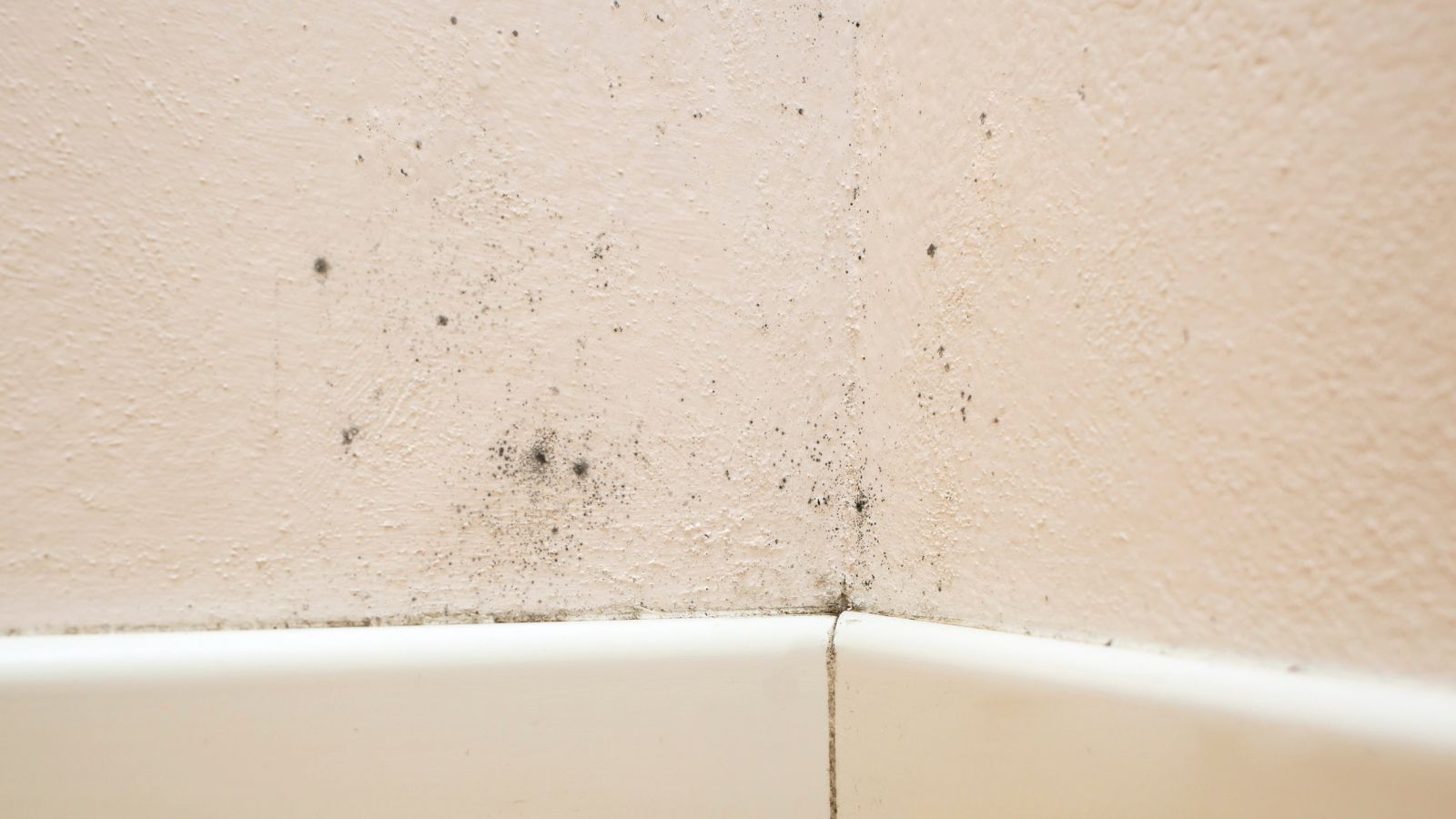
Water can collect behind drywall, beneath flooring, inside cabinets, or in corners blocked by furniture, leaving problems out of sight during an inspection. Persistent musty smells, unexplained stains, or signs of previous water damage may call for a moisture assessment or mold inspection by a qualified specialist.
7. Roof Problems That Only Appear in Certain Conditions
An inspector can check visible roofing materials and flashing, but access limitations and the inspection method may leave some areas difficult to examine closely. Ask about the roof’s age and repair history, and consider a roofing contractor’s evaluation if the inspector finds damaged shingles, questionable flashing, poor drainage, or signs of leaks.
8. Problems Hidden by Furniture and Belongings
Furniture, rugs, boxes, and stored belongings can cover parts of walls, floors, closets, and other areas that an inspector would otherwise be able to examine. During the final walkthrough, look at any areas that were blocked during the original inspection and check for stains, damaged flooring, wall marks, or signs of moisture that become visible once the house is empty.