Parks and green spaces do more than make a city look nicer. They give people a place to exercise, relax, spend time with family, and take a break from busy streets. Research has also linked access to green areas with lower stress levels, cleaner air, and better overall health.
As cities grow, though, open land often gives way to new neighborhoods, office buildings, and roads. While many communities invest in parks and public spaces, others have struggled to keep up with population growth. The result is that some residents have far fewer opportunities to enjoy nature close to home.
Green space includes everything from neighborhood parks and public gardens to playgrounds, walking trails, and protected natural areas. These places also help cool cities, support wildlife, and improve the look and feel of surrounding neighborhoods.
Here are 16 American cities where green space is harder to find than many people might expect.
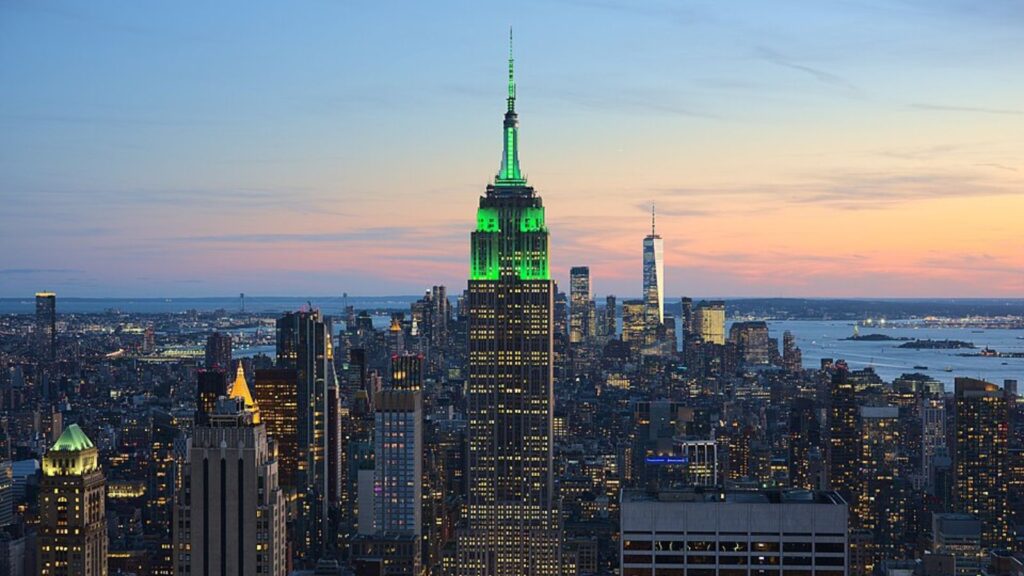
New York City, New York
New York City is home to Central Park, one of the world’s best-known urban parks, yet access to green space isn’t equal across the five boroughs. With more than eight million residents packed into a relatively small area, many neighborhoods have far less parkland than others. In parts of the outer boroughs, residents often have to travel farther to reach larger parks and recreational areas.
Los Angeles, California
Los Angeles stretches for miles, but much of that land is covered by homes, businesses, and highways. Large parks such as Griffith Park provide welcome outdoor space, though many neighborhoods have few nearby parks. High land prices make it difficult to set aside property for new public green areas.
Chicago, Illinois
Chicago has an impressive lakefront and many well-known parks, yet access varies depending on where people live. Some neighborhoods have plenty of trees and recreation areas, while others have far fewer public spaces where residents can spend time outdoors.
Miami, Florida
Miami’s steady growth has left less room for new parks, particularly in densely populated parts of the city. Residential and commercial development continues to compete for available land, making it difficult to expand green space in many communities.
Houston, Texas
Houston is known for its size, and that growth has spread development across a wide area. Parks such as Hermann Park offer plenty of room to enjoy the outdoors, but many neighborhoods still have limited access to nearby green space. Continued growth places added pressure on the city’s existing parks.
Phoenix, Arizona
Phoenix faces a different challenge than many cities. The desert climate makes creating and maintaining parks more difficult because landscaping requires large amounts of water. Research published through ScienceDirect found that a 25 percent loss of green space in Phoenix has been linked to summer temperatures rising by roughly 3.3 to 5.6 degrees. Local leaders continue looking for ways to add more shade and outdoor areas while conserving water.
San Antonio, Texas
San Antonio has historic parks and scenic riverfront areas, but newer developments don’t always include the same amount of public green space. As the city continues to grow, many neighborhoods are pushing for additional parks, trails, and community gathering places.
Las Vegas, Nevada
Las Vegas is famous for casinos and entertainment, not parks. Its desert setting and steady construction have left relatively little room for large public green areas. City planners continue looking for ways to add more trees, trails, and neighborhood parks without placing extra strain on limited water supplies.
Dallas, Texas
Dallas has invested in projects such as Klyde Warren Park, though many parts of the city still have fewer parks than residents would like. Access to green space can vary widely depending on the neighborhood, making park development an ongoing priority.
Atlanta, Georgia
Atlanta has long been known for its tree cover, though years of development have changed parts of the surrounding landscape. Research published through ScienceDirect found that urban growth has contributed to forest loss and broken up large wooded areas around the city. Local organizations continue working to preserve remaining forests and expand parks where possible.
Detroit, Michigan
Detroit has spent years finding new uses for vacant land. Some empty lots have been converted into parks, gardens, and community gathering spaces, but many neighborhoods still have limited access to well-maintained green areas. Local groups continue leading many of these improvement projects.
Philadelphia, Pennsylvania
Philadelphia combines historic neighborhoods with dense development, leaving relatively little room for new parks in some sections of the city. Research from Illinois State University has shown that access to green space plays an important role in improving health and reducing long-standing community health gaps. Expanding and improving neighborhood parks remains a priority across the city.
San Francisco, California
San Francisco’s compact layout and expensive real estate leave little unused land for new parks. Golden Gate Park gives residents and visitors a large outdoor retreat, though many neighborhoods have fewer nearby green spaces than people might expect in a city known for its scenic setting.
Boston, Massachusetts
Boston’s historic streets and dense neighborhoods leave limited room for additional parkland. Existing parks are well used, and city leaders continue searching for opportunities to add smaller green spaces wherever land becomes available.
Washington, D.C.
Washington is known for the National Mall and its many monuments, though residential neighborhoods don’t all have the same level of access to parks. Balancing new development with additional green space remains part of the city’s long-term planning efforts.
Baltimore, Maryland
Baltimore continues working to revitalize many neighborhoods, and access to parks differs across the city. Community organizations have helped create gardens, playgrounds, and neighborhood green spaces, though many residents still have fewer outdoor recreation options than those living in other parts of the city.
Cities don’t need endless acres of parkland to be great places to live, but easy access to green space can make a real difference. Parks provide places to exercise, gather with friends, cool off during hot weather, and enjoy a break from traffic and busy streets. As these cities continue to grow, many are investing in new parks, tree planting, and neighborhood green projects that can make everyday life better for residents and visitors alike.