


Often celebrated for its bustling cities and pristine beaches, Florida also hides in its quaint towns, with abundant charm and serenity. Away from the thrum of theme parks and skyscrapers, these small towns offer a slice of Old Florida, each with its unique character and history.
Here’s a look at 15 appealing small towns in the Sunshine State. Each tells its own story amidst stunning landscapes and welcoming communities.
Cedar Key

Nestled in the Gulf of Mexico, Cedar Key is a tranquil island city that seems frozen in time. With a population of barely over 700, it’s a place where nature outshines artificial attractions.
Famous for its clams, birdwatching opportunities, and laid-back lifestyle, Cedar Key is a haven for those seeking peace and natural beauty.
Micanopy

Often referred to as “The Town That Time Forgot,” Micanopy exudes an old-world atmosphere with antique shops and historic buildings. Located just south of Gainesville, this town of about 600 residents offers a glimpse into Florida’s past, surrounded by ancient oaks and Spanish moss.
Safety Harbor

Positioned on the west shore of Tampa Bay, Safety Harbor is a small town known for the famed Safety Harbor Resort and Spa. With a rich history dating back to the Tocobagan Indians, the city now serves as a sanctuary for wellness seekers and those fascinated by Florida’s indigenous cultures.
Mount Dora

Mount Dora is a picturesque town that seems to have leaped out of a fairy tale with its New England architecture and charming lighthouse. Known for its antique shopping and annual festivals, this quaint town by the lake is a haven for those who appreciate the slower pace of life and the warmth of a tight-knit community.
Apalachicola

Home to fewer than 3,000 people, Apalachicola is a gem on the Forgotten Coast. It is known for its maritime culture, historic houses, and, most notably, its oysters. The town’s economy and culinary scene thrive on the bountiful waters, offering seafood lovers a taste of heaven.
Tarpon Springs

Famed for its Sponge Docks, Tarpon Springs has a rich Greek heritage, evident in its cuisine, cultural festivals, and the beautiful St. Nicholas Greek Orthodox Cathedral. With a strong tradition of sponge diving, the town offers a unique blend of history, culture, and natural beauty.
Fernandina Beach

Located on Amelia Island, Fernandina
DeFuniak Springs

DeFuniak Springs is a step back into Victorian times, centered around a perfectly circular spring-fed lake. It is known for its historic district and charming Chautauqua Vineyard and Winery. The town was once a prestigious stop on the Chautauqua circuit in the late 1800s.
Dunedin

One of the oldest towns on the West Coast, Dunedin proudly holds Scottish heritage, evident in its annual Highland Games and everyday culture. Its beautiful marina, Honeymoon Island, and the Pinellas Trail make Dunedin a haven for outdoor enthusiasts.
Sebring

Known as “The City on the Circle” due to Circle Drive at its center, Sebring offers a blend of culture, history, and sports. Home to the Sebring International Raceway, it’s a must-visit for motorsports fans, while its historic downtown appeals to those looking for a slower pace.
Venice

Dubbed the “Shark Tooth Capital of the World,” Venice is a haven for fossil hunters along its beaches. Its Italian architecture and beautifully landscaped boulevards mirror its namesake city in Italy, offering a unique Florida experience.
Winter Park

Just a stone’s throw from Orlando, Winter Park is an enclave of arts and culture. Its scenic boat tours, lush gardens, and the Morse Museum of American Art make it a sophisticated retreat from the nearby city buzz.
Punta Gorda
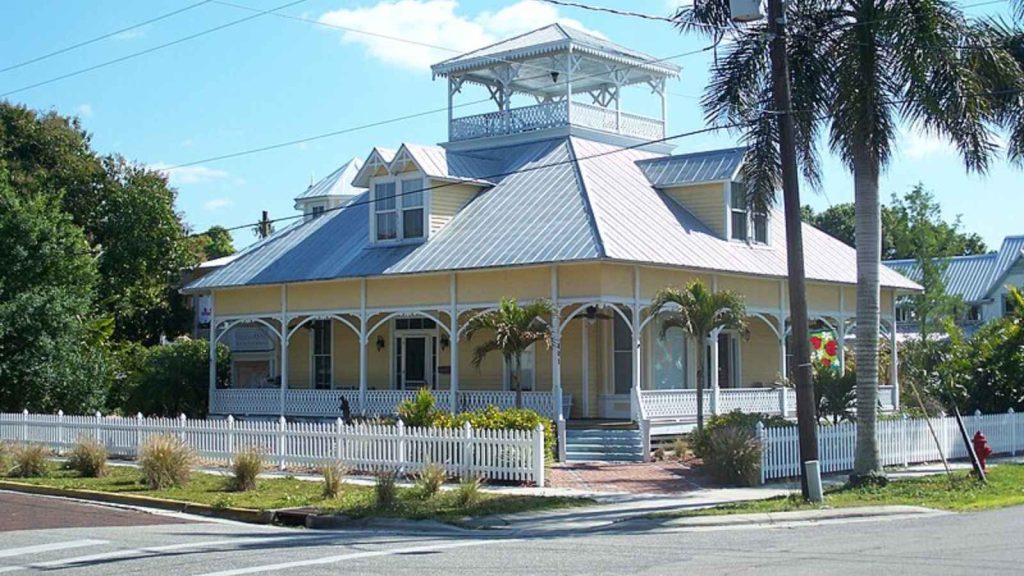
With a charming waterfront park system and historic district, Punta Gorda is a small town that values its natural beauty and community spirit. Its location on Charlotte Harbor provides ample opportunities for fishing, boating, and enjoying Southwest Florida’s scenery.
Crystal River

Crystal River is the only place in the US where you can legally swim with manatees, an eco-tourist’s dream. The town is committed to preserving its natural resources and offers unparalleled access to the Florida manatee in its natural habitat.
High Springs

High Springs is the gateway to adventure, known for its proximity to the Santa Fe River and numerous natural springs. Whether it’s cave diving, kayaking, or enjoying the quaint downtown, High Springs provides a refreshing escape into Florida’s wild side.
These towns remind us that Florida’s charm extends far beyond its famous beaches and amusement parks. Each town’s unique character and history invites visitors to explore a different side of the Sunshine State. Whether you’re drawn to the allure of old Florida, the thrill of outdoor adventures, or the tranquility of a seaside retreat, these small towns offer experiences that are as diverse as they are delightful.