Parents can’t always predict which childhood memories will stick with their children as they grow up. Big vacations and birthday parties may be memorable, but sometimes it’s a quiet afternoon together, a familiar family tradition, or a few kind words that stay with someone for years.
Many of these memories come from everyday moments that don’t cost much money or require elaborate plans. Small acts of care, patience, and affection can help children feel safe, valued, and loved.
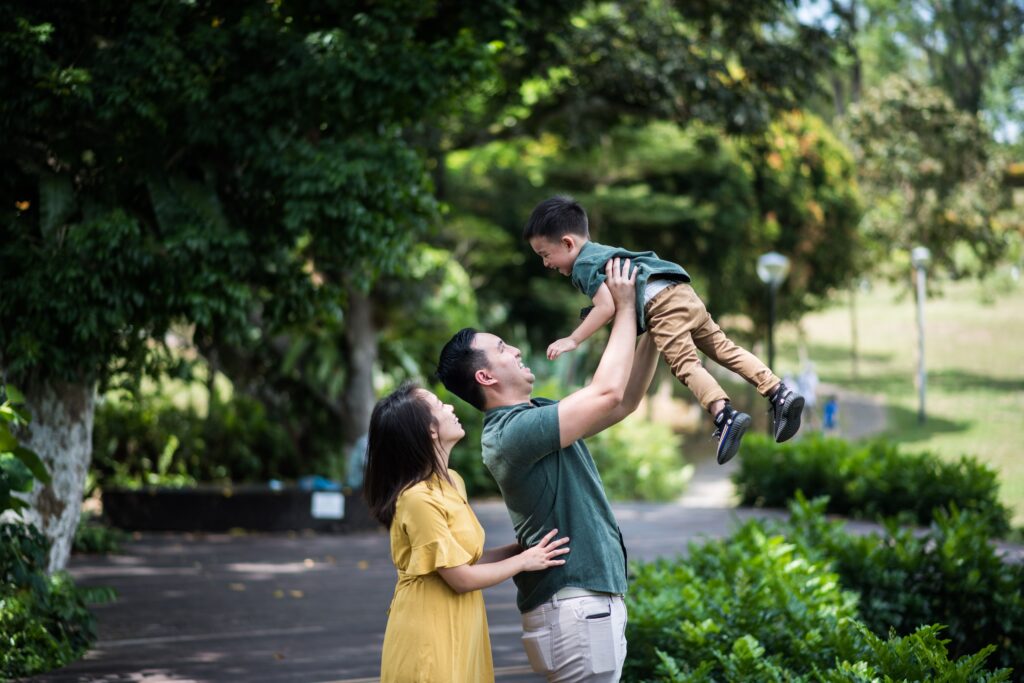
Showing Up When It Matters
Children remember the parent who comes to their school events, cheers from the sidelines, helps with a project, or sits beside them after a difficult day. Being there tells them that their interests, feelings, and experiences matter to you.
Related: Modern Parenting Trends That Are Doing More Harm Than Good
Making Home Feel Like a Safe Place
A home where children can talk openly, make mistakes, and ask for help without fear of humiliation can give them a lasting sense of security. Knowing they are loved even after a bad decision or a difficult conversation can become one of their most meaningful childhood memories.
Related: 13 Items You’re Better Off Keeping Out of the Bathroom
Believing in Them When They Doubt Themselves
Children may forget much of the advice their parents give them, but they often remember who encouraged them when things went wrong. A few reassuring words after a disappointing grade, a lost game, or a failed attempt can help them find the courage to try again.
Related: 13 Sweet Compliments Every Parent Deserves
Creating Simple Family Traditions
Some of the fondest childhood memories come from routines a family shares week after week rather than from expensive trips or special events. Saturday pancakes, movie nights, gardening together, and decorating for the holidays can become traditions children carry into their own homes years later.
Related: 20 Items in Your Parent’s House That Could Be Worth a Lot of Money Today
Listening When They Have Something to Say
A story about a playground disagreement may seem small to an adult, but it can feel like a big deal to a child who needs someone to listen. Putting down your phone, asking a few questions, and giving them your attention shows that their thoughts and feelings deserve respect.
Apologizing When They Get It Wrong
Parents lose their patience, misunderstand situations, and sometimes say things they later regret, just like everyone else. A sincere apology helps children see that adults make mistakes too and that taking responsibility is part of caring for someone.
Making Ordinary Days Feel Special
Some of the memories children treasure most come from days when nothing unusual was planned. Baking cookies after school, dancing around the kitchen, taking an evening walk, or stopping for ice cream on the way home can turn a regular day into a favorite memory.
Letting Them Know They’re Loved
Children benefit from hearing and seeing that they are loved, rather than having to guess how their parents feel. Saying “I love you,” offering a hug, leaving an encouraging note, or taking an interest in what they enjoy can give them a sense of belonging that stays with them as they grow up.