
Store-bought cleaning products can add up quickly, especially if you have several rooms to clean and different products for every surface. Making some cleaners at home can be a cheaper option, and many recipes use ingredients you may already have in your kitchen.
Homemade cleaners still need to be handled with care, though. Natural ingredients aren’t automatically safe for every surface, and some combinations can damage materials or create irritating fumes.
Before mixing up your next batch, keep these 25 dos and don’ts in mind.
Do Learn What Each Ingredient Does
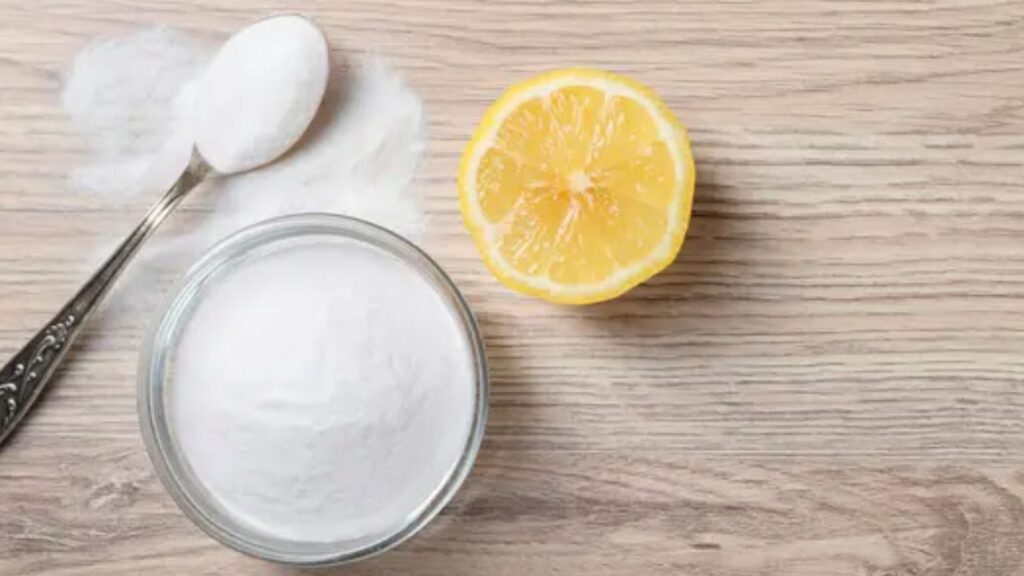
Before making a cleaner, learn what the ingredients actually do. Vinegar is acidic and works well against mineral buildup, while baking soda is mildly abrasive and useful for scrubbing and absorbing odors.
Knowing the job of each ingredient makes it easier to choose the right cleaner for the mess you’re dealing with.
Related: 15 Genius DIY Hacks for Brilliant Home Fixes
Don’t Mix Vinegar and Baking Soda
Vinegar and baking soda create an impressive fizz when they’re combined, but that reaction doesn’t make a stronger cleaner. The acid and alkaline properties largely neutralize each other, leaving you with a mixture that has much less of the original cleaning action.
Use them separately instead. Baking soda can help scrub a surface, while diluted vinegar can help with mineral deposits on surfaces that can safely tolerate acids.
Do Use Essential Oils Sparingly
A few drops of essential oil can give a homemade cleaner a pleasant scent. Tea tree, lemon, lavender, and other oils are often used in DIY cleaning recipes.
Keep the amount small, and don’t assume an essential oil makes a cleaner a disinfectant. Proper disinfection requires a product that has been tested and labeled for that purpose.
Don’t Store Acidic Cleaners in Metal Containers
Vinegar and other acidic mixtures can react with certain metals and may cause corrosion over time.
Glass or a suitable plastic spray bottle is usually a better choice for acidic homemade cleaners. Check that the container is compatible with the ingredients before storing a mixture in it.
Related: 13 DIY Flooring Tricks That Lead to Major Damage
Do Label Every Bottle
A clear label can save you from a lot of confusion later.
Write down what’s inside the bottle and the date you made it. If you have several homemade cleaners around the house, this simple habit makes it much easier to grab the right one.
Do Test a Cleaner on a Small Area
A cleaning mixture that works well on one material can leave another surface stained, dull, or damaged.
Before cleaning a large area, test the solution on a small hidden spot. Let the area dry and check the result before continuing.
Don’t Skip the Research
It’s easy to find DIY cleaning recipes online, but not every recipe is a good one.
Check whether the ingredients are suitable for the surface you’re cleaning and whether the amounts make sense. Natural cleaning recipes can still cause damage if they’re used on the wrong material.
Don’t Add Harsh Chemicals to Homemade Cleaners
Mixing random household chemicals into a homemade cleaner can create serious problems.
Bleach, ammonia, acids, and other strong cleaners should never be mixed together. If a product already has a warning label, follow the manufacturer’s directions instead of trying to modify it.
Don’t Go Overboard With Essential Oils
More essential oil doesn’t mean a better cleaner.
Using too much can leave a strong smell behind and may irritate the skin or airways. A small amount is usually plenty if your main goal is adding fragrance to your home.
Do Wear Gloves
Some homemade cleaners can still irritate your skin. Vinegar, lemon juice, concentrated essential oils, and abrasive ingredients may cause problems for people with sensitive skin.
A pair of household cleaning gloves is an easy way to protect your hands while you work.
Do Keep Track of Recipes That Work
If you find a homemade cleaner that works well, write down the recipe.
Keep a small note on your phone or in a notebook with the ingredients, measurements, and surface where you used it. That way, you won’t have to remember the proportions the next time you need to make it.
Do Reuse Spray Bottles Carefully
Old spray bottles can be useful for homemade cleaners, but they need to be washed thoroughly before being reused.
Never reuse a bottle that still contains traces of a previous chemical cleaner unless you know the bottle has been completely cleaned and is suitable for the new mixture. A leftover chemical residue could react with your homemade solution.
Do Check That Your Cleaners Are Safe Around Children and Pets
Homemade doesn’t automatically mean harmless.
Keep cleaning products out of reach of children and pets, just as you would with commercial cleaners. Some essential oils and concentrated ingredients can be harmful if swallowed or used incorrectly.
If you’re unsure whether an ingredient is safe for a pet, check with a veterinarian before using it around animals.
Don’t Assume More Cleaner Means More Cleaning
Adding extra vinegar, baking soda, lemon juice, or another ingredient won’t necessarily make a cleaner work better.
Too much of an ingredient can leave residue, damage a surface, or make a mixture unnecessarily irritating. Follow a tested recipe instead of guessing at the measurements.
Don’t Use Harsh Scrubbers on Delicate Surfaces
Steel wool and rough scouring pads can leave scratches on surfaces such as stainless steel, glass, coated fixtures, and some countertops.
A microfiber cloth, soft sponge, or soft-bristled brush is a better choice for many everyday cleaning jobs.
Do Use Lemon Carefully
Fresh lemon juice can help cut through some grease and leave behind a clean scent. Its acidity can also help with certain mineral deposits.
Still, lemon isn’t suitable for every surface. Keep it away from marble, limestone, and other acid-sensitive stone. Test it on an inconspicuous area before using it on a new material.
Do Clean Your Cleaning Tools
Your spray bottles, brushes, sponges, and cloths need cleaning, too.
Wash reusable cloths and sponges regularly, rinse brushes after use, and allow everything to dry completely. Damp cleaning tools can develop unpleasant odors and become a place where bacteria and mold grow.
Do Pay Attention to pH
The acidity or alkalinity of a cleaner matters more than many people realize.
Vinegar, for example, is acidic and can be useful for mineral deposits such as limescale. That same acidity can damage marble, limestone, and other natural stone surfaces. Baking soda is much less acidic and works mainly as a mild abrasive and odor absorber.
Knowing whether you’re working with an acidic or alkaline ingredient can help you avoid damaging the surface you’re trying to clean.
Don’t Use Homemade Cleaners on Every Surface
Some materials need special care and shouldn’t be treated with a general-purpose DIY cleaner.
Natural stone, unfinished wood, delicate fabrics, and certain finishes can be damaged by acids, abrasives, or excess moisture. Check the manufacturer’s care instructions before trying a homemade mixture.
Do Keep Basic Ingredients on Hand
If you regularly make your own cleaners, it helps to keep a few basic supplies available.
Baking soda, white vinegar, mild dish soap, microfiber cloths, spray bottles, and clean water can cover many simple household cleaning tasks. You don’t need a cabinet full of specialty ingredients.
Don’t Underestimate Plain Water
Not every mess needs a homemade cleaning solution.
Warm water and a clean microfiber cloth can remove dust, fingerprints, and many everyday marks. For some spills, the temperature of the water also matters. Protein-based stains such as blood can become harder to remove with hot water, so cold water is usually the safer starting point.
Don’t Mix Several Cleaning Recipes Together
Stick with one cleaning recipe at a time.
Combining leftover mixtures from different recipes can change their chemical properties and may create an unsafe reaction. If you need a different cleaner, rinse the bottle and cleaning surface thoroughly before switching products.
Do Keep the Room Well Ventilated
Fresh air is helpful whenever you’re cleaning, particularly if you’re working with strong-smelling ingredients.
Open a window or run an exhaust fan when appropriate. Good airflow can make cleaning more comfortable and reduce the concentration of irritating fumes in a small room.
According to the Environmental Protection Agency, indoor air can contain higher concentrations of some pollutants than outdoor air, making ventilation an important part of keeping indoor air healthier.
Don’t Be Afraid to Ask for Advice
There is a lot of DIY cleaning advice online, and not all of it is reliable.
If you’re unsure about a recipe or a particular surface, ask someone who knows the material or check the manufacturer’s cleaning instructions. A few minutes of research can save you from damaging a countertop, floor, appliance, or piece of furniture.
Don’t Forget About Baking Soda
Baking soda is one of the most useful ingredients to keep around the house.
It can help absorb odors and works as a gentle abrasive for jobs that need a little scrubbing. Martha Stewart Living also points to its ability to absorb oils and help with household cleaning.
Sprinkle a small amount onto a damp sponge or cloth for certain cleaning jobs, then rinse the surface afterward. Just remember that even a mild abrasive can scratch some finishes, so test it first.