
Acidic soil can be a challenge for some garden plants, but it doesn’t mean you have to give up on growing vegetables. Soil with a pH below 7 is considered acidic, and some plants actually grow quite well in these conditions.
If you’ve tested your garden soil and found that it’s on the acidic side, there are plenty of crops you can still grow. The key is choosing vegetables that are comfortable with a lower pH and giving them the right amount of sunlight, moisture, and drainage.
Here are 14 vegetables and edible plants that can do well in acidic soil.
Potatoes
Potatoes are one of the better crops for acidic soil. A lower soil pH can help reduce the risk of potato scab, a common disease that causes rough, corky patches on the tubers.
Potatoes also need loose, well-drained soil so their roots and tubers aren’t sitting in water. Adding organic matter can help improve the soil structure while giving the plants a good place to grow.
Carrots
Carrots prefer loose soil that drains well, and they can handle mildly acidic conditions. A lower pH can also help reduce the risk of some soil-related problems that affect carrot roots.
If you want straight, well-formed carrots, the soil should be free of large rocks and compacted areas. Loose soil gives the roots room to grow downward without being blocked.
Blueberries
Blueberries are one of the best-known acid-loving plants. They prefer soil with a much lower pH than many common garden vegetables, often around 4.5 to 5.5.
They also grow well in areas with plenty of moisture and cooler conditions. Acidic soil helps blueberry plants take up nutrients such as iron and manganese. If your garden soil is naturally acidic, blueberries may be a great addition.
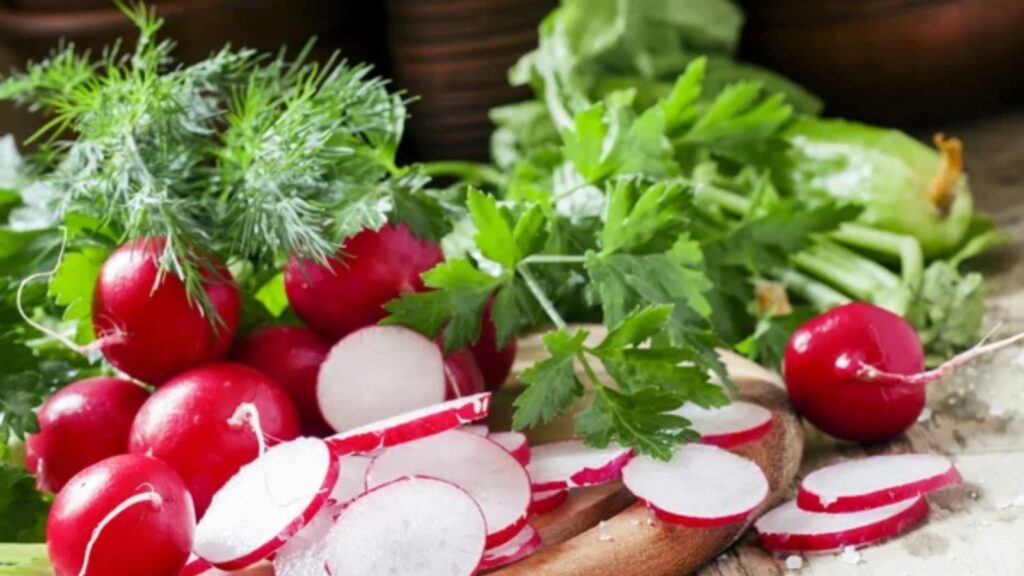
Radishes
Radishes are quick-growing root vegetables that can handle a fairly broad range of soil conditions. They prefer loose, well-drained soil and can grow in mildly acidic conditions.
Since radishes mature quickly, they’re useful for gardeners who want to harvest something within a few weeks. Give them plenty of sunlight and keep the soil consistently moist while the roots develop.
Peppers
Peppers prefer slightly acidic soil, with a pH around 6.0 to 6.8 being a good range for many varieties. They also need plenty of sunlight and warmth to produce healthy plants and flavorful fruit.
Good drainage is just as important. Pepper roots don’t like sitting in soggy soil, so avoid planting them in areas where water tends to collect after heavy rain.
Tomatoes
Tomatoes can grow well in mildly acidic soil. An article from Best Juicy Tomatoes notes that tomatoes can grow in soil with a pH as low as 5.5.
For the best results, give tomato plants full sun, regular watering, and soil that drains well. Adding compost can also improve the soil and give the plants a steady supply of nutrients throughout the growing season.
Lettuce
Lettuce can grow in slightly acidic soil and is a good choice for gardens with a lower pH. Since lettuce is a cool-season crop, it tends to perform best when temperatures aren’t too high.
Keep the soil consistently moist, particularly during warm weather. Regular watering helps lettuce develop tender leaves and prevents the plants from becoming stressed.
Garlic
Garlic prefers slightly acidic soil, with a pH between about 6.0 and 6.5. According to EOS Data Analytics, garlic grows best in rich, well-drained soil with good moisture retention.
Good drainage matters because garlic bulbs can rot if they remain in wet soil for too long. Planting garlic in loose soil also gives the bulbs plenty of room to develop.
Onions
Onions can grow in mildly acidic soil and do best in loose, well-drained soil. Sandy loam and loamy soil are both good choices because they allow the bulbs to develop without becoming waterlogged.
Good soil drainage also helps keep the roots and developing bulbs healthy. Onions need plenty of sunlight, so choose a spot that receives several hours of direct light each day.
Spinach
Spinach is another leafy green that can handle mildly acidic soil. It grows quickly during cool weather, which means you can often harvest the outer leaves while the plant continues producing new growth.
Give spinach fertile soil, regular moisture, and plenty of sunlight during the cooler months. If temperatures climb too high, the plants may bolt and produce flowers sooner than you’d like.
Cabbage
Cabbage is a hardy crop that can grow in slightly acidic soil. It prefers fertile, well-drained soil with plenty of organic matter to support the large heads.
Cabbage grows best during cooler parts of the year. Keeping the soil evenly moist can help the plants develop firm heads and healthy leaves. It is also included among vegetables that can grow without soil under certain growing systems.
Broccoli
Broccoli prefers slightly acidic to neutral soil, with a pH around 6.0 to 7.0. According to PlantVillage, broccoli grows best during cool weather.
Keep the soil moist but make sure excess water can drain away. Broccoli is a fairly heavy feeder, so adding compost or other organic matter before planting can give it the nutrients it needs for healthy growth.
Rhubarb
Rhubarb is a perennial vegetable that can stay in the garden for years with the right care. It prefers fertile, well-drained soil and can tolerate colder temperatures.
Rhubarb can handle mildly acidic soil, making it a useful choice for gardens where other crops may struggle. Once established, the plants can return year after year and produce stalks for pies, sauces, jams, and other recipes.
Parsnips
Parsnips are root vegetables that grow well in loose, well-drained soil and can tolerate a fairly broad pH range. A pH around 5.5 to 7.0 can work for them.
They need a long growing season, so patience is part of growing parsnips. Cool weather can actually improve their flavor, with the roots often becoming sweeter after exposure to frost.
Cucumbers
Cucumbers prefer slightly acidic soil, with a pH around 6.0 to 6.5. These warm-season plants need plenty of sunlight, regular water, and soil that drains well.
Adding compost before planting can help improve the soil while providing nutrients for the vines. Give cucumber plants enough room to spread or train them onto a trellis to keep the vines and fruit off the ground.