Vertical gardening is a practical way to grow more plants without needing a large garden bed. Instead of letting vegetables spread across the ground, you can train certain crops to grow upward on trellises, cages, fences, towers, and other supports. This can be especially useful if you have a small backyard, patio, balcony, or limited planting space.
Some vegetables are particularly well suited to growing vertically because they naturally climb, trail, or stay fairly compact. Here are 12 vegetables and edible plants worth trying in a vertical garden.
Tomatoes
Tomatoes are a favorite for vertical gardens because they take well to cages, stakes, and trellises. There are plenty of varieties to choose from, ranging from small cherry tomatoes to large beefsteak types, so you can find one that fits your available space.
As the plants grow taller, their stems and branches need support. Tying them gently to a trellis or stake can keep the plants upright and prevent heavy fruit from pulling the branches toward the ground.
Cucumbers
Cucumbers are natural climbers, making them a great match for vertical gardening. Their vines can be trained along a trellis, fence, or sturdy garden cage rather than allowing them to spread across the soil.
Some varieties can grow several feet tall, so give them a support structure that is tall and strong enough for the vines. Smaller cucumber varieties can be especially convenient for patios and compact gardens.
Peas
Peas are one of the easiest crops to grow vertically. Their thin vines naturally grab onto trellises, netting, and other supports as they grow.
They also work well in small spaces, making them a good choice for balconies, patios, and smaller backyard gardens. Snow peas and snap peas are especially fun to grow because you can pick the pods straight from the vine.
Eggplant
Eggplants can also be grown with vertical support, particularly smaller varieties that don’t take up much room. A sturdy stake or cage can keep the plant upright as the fruit develops.
Their purple flowers add a nice splash of color to the garden, too. If you already grow other flowers for your garden, eggplants can fit right in while giving you something edible to harvest later.
Melons
Growing melons vertically may sound unusual, but it can work with the right setup. Cantaloupes and some smaller watermelon varieties can be trained up a strong trellis.
The vines need solid support because mature melons can become quite heavy. For larger fruit, gardeners often use fabric slings or similar supports to keep the melons from pulling the vines down. Compact varieties are usually a better choice for this type of garden.
Peppers
Pepper plants are fairly compact, which makes them a convenient choice for vertical gardens. They don’t usually climb like peas or cucumbers, but they can grow well in containers placed on tiered stands, wall planters, or other vertical setups.
There are plenty of pepper varieties available, from mild bell peppers to hot chilies. A small cage or stake can also help support plants that become heavy with fruit.
Cabbage
Cabbage can work in vertical planters, tower gardens, and other setups where several plants are grown at different heights. Other leafy vegetables, including lettuce and spinach, can also be grown this way.
Growing cabbage off the ground can make better use of a small garden area. Container systems can also be moved around if you need to give the plants more sunlight during the day.
Herbs
Herbs are some of the easiest edible plants to add to a vertical garden. Small pots can be attached to a wall, fence, rack, or tiered planter, giving you plenty of growing space without taking over the ground.
Basil, parsley, cilantro, thyme, mint, and oregano can all work well in containers. Having fresh herbs close by also means you can snip what you need while cooking instead of buying a whole package at the store.
Squash
Squash usually takes up plenty of room because its vines spread across the ground, but certain types can be trained upward. Zucchini and yellow squash can be grown against a sturdy trellis or cage with some help as the plant gets taller.
Growing squash on a trellis can also keep the fruit off damp soil. A MasterClass article explains how trellising can help reduce the chance of fruit rot.
Bush varieties are another option if you have limited space and don’t want long vines taking over the garden.
Strawberries
Strawberries are well suited to hanging baskets, vertical towers, and stacked planters. Since the plants stay fairly small, they can be grown in places where a traditional garden bed isn’t practical.
A vertical strawberry planter can work nicely on a balcony, patio, or small deck. The berries also hang away from the soil, which makes picking them easier.
Radishes
Radishes grow quickly and have relatively shallow roots, so they can be grown in smaller containers. Depending on the variety, they can fit into hanging planters, wall-mounted containers, or compact planter boxes.
Some radishes are ready to harvest in just a few weeks, which makes them a handy crop for gardeners who want quick results. You can also sow new seeds every few weeks for a steady supply.
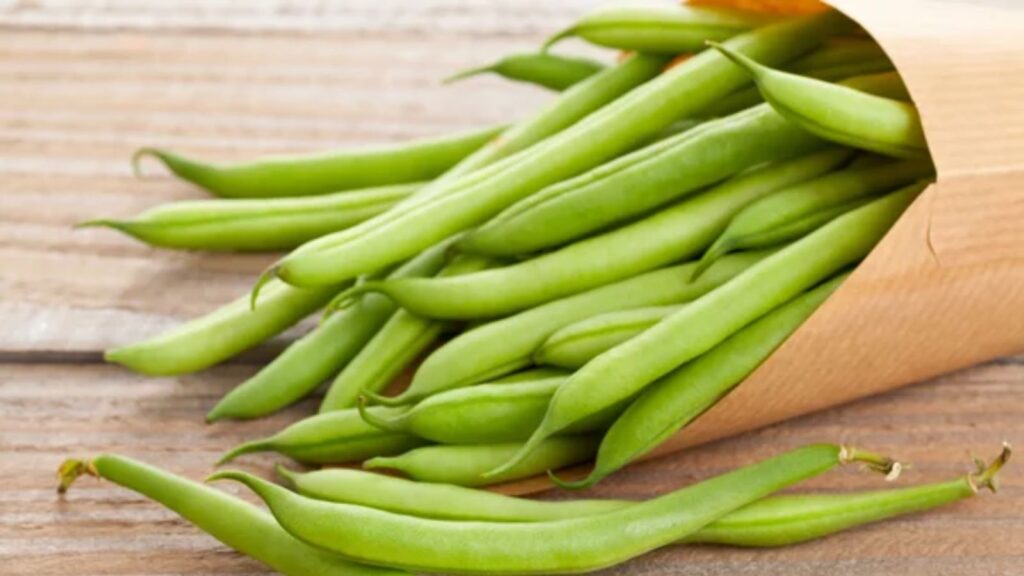
Pole Beans
Pole beans are made for growing upward. Their vines naturally wrap around trellises, poles, bamboo supports, and other structures as they grow.
According to the University of Minnesota, pole beans can reach around 6 feet tall and produce beans throughout the growing season.
A simple trellis or bamboo teepee gives the vines somewhere to climb while keeping the plants off the ground. Once the beans start producing, harvesting is also easier since the pods are hanging at a more convenient height.