Watering seems like one of the easiest parts of gardening, yet it’s also where many people go wrong. Too much water, too little, or watering at the wrong time can leave plants struggling to grow. In many cases, the problem isn’t the plant—it’s the watering routine.
The good news is that a few small changes can make a big difference. Learning how your plants use water and paying attention to their needs can help them stay healthy through every season. Here are 10 common watering mistakes that could be doing more harm than you realize.
Underwatering
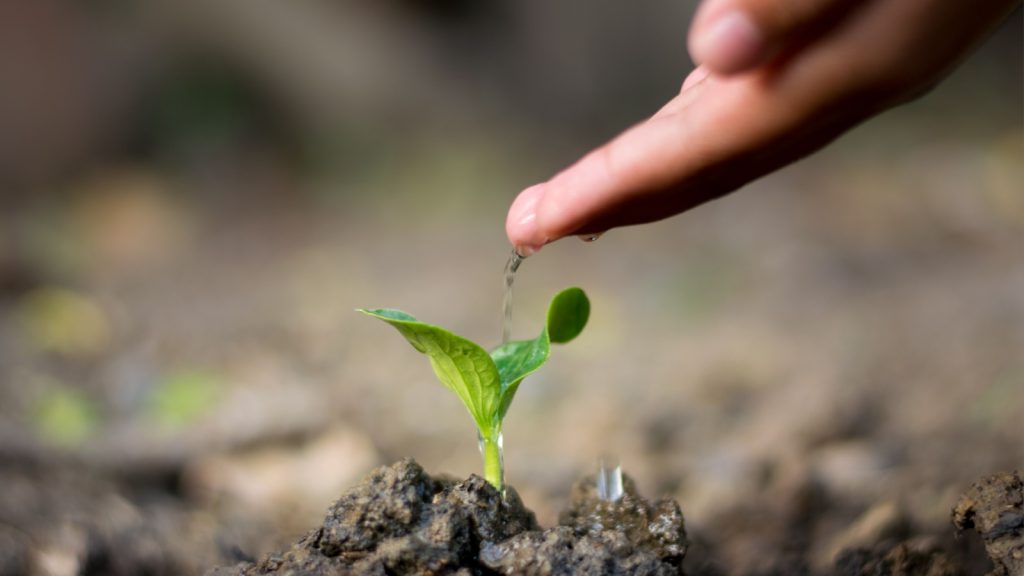
Plants can’t survive without enough moisture. When the soil stays dry for too long, roots have trouble taking up the water and nutrients they need. Over time, the plant becomes weak and may stop growing altogether.
Watch for dry, crispy leaf edges, drooping stems, or slow growth. Instead of watering on guesswork, check the soil with your finger. If the top couple of inches feel dry, it’s usually time to water thoroughly.
Related: 12 Common Garden Plants That Are Surprisingly Poisonous
Not Watering Deep Enough
A quick splash of water may dampen the surface, but it often doesn’t reach the roots where it’s needed most. Plants watered this way tend to develop shallow root systems that dry out much faster.
Water slowly until the moisture reaches deeper into the soil. Deep watering encourages roots to grow downward, making plants stronger and better able to handle hot, dry weather.
Watering at the Wrong Time
The time of day matters more than many gardeners realize. Watering during the hottest hours means much of the moisture evaporates before the roots can absorb it.
Early morning is usually the best time to water because plants can soak up moisture before the day’s heat arrives. If mornings aren’t possible, late afternoon or early evening is another good choice, provided the leaves have time to dry before nightfall.
Related: 15 Low-Maintenance Houseplants Anyone Can Keep Alive
Using Hard Water
In some areas, tap water contains high levels of minerals such as calcium and magnesium. Over time, these minerals can build up in the soil, making it harder for some plants to absorb nutrients.
If you notice white deposits on the soil or around the edges of pots, hard water may be the cause. Rainwater or filtered water can be a better option for plants that are sensitive to mineral buildup.
Watering on a Fixed Schedule
Watering every Tuesday and Friday may sound like a good routine, but plants don’t follow a calendar. Their water needs change with the weather, the season, the size of the plant, and the type of soil.
Instead of sticking to a rigid schedule, check the soil before reaching for the watering can. A rainy week may mean your plants need very little water, while a heat wave could mean watering more often.
Related: 15 Shade-Loving Plants Perfect for Growing Under Trees
Overwatering
Too much water causes more plant deaths than too little. Soil that stays constantly wet leaves roots without enough oxygen, which can lead to root rot.
Yellowing leaves, wilted plants despite wet soil, mold, or a sour smell from the pot are common warning signs. Let the soil dry to the appropriate level before watering again, since different plants have different moisture needs.
Ignoring Drainage
Even the right amount of water can become a problem if it has nowhere to go. Poor drainage traps moisture around the roots, creating conditions where rot and fungal diseases can develop.
Choose containers with drainage holes and use a well-draining potting mix. In garden beds, loosen compacted soil or mix in organic matter if water tends to pool after rain.
Related: 12 Indoor Plants That Create a Calmer Home Atmosphere
Watering the Leaves Instead of the Soil
Spraying water over the entire plant may seem harmless, but wet leaves can encourage fungal diseases, especially if they stay damp for hours.
Aim the water at the base of the plant so it reaches the roots directly. A watering can with a narrow spout, a soaker hose, or drip irrigation works well for this.
Using Ice-Cold Water
Water straight from the hose can be surprisingly cold, especially during cooler months or in the morning. While an occasional watering isn’t likely to cause lasting damage, very cold water can stress some plants, particularly tropical varieties.
If possible, let the water sit for a while before using it or fill a watering can ahead of time so it reaches a more moderate temperature.
Forgetting About Container Plants
Plants growing in pots dry out much faster than those planted in the ground because they have far less soil to hold moisture. During hot or windy weather, containers may need watering every day, and sometimes even twice a day.
Check container plants often instead of assuming they’re fine. Smaller pots dry out the quickest, while larger containers tend to hold moisture longer. Adjust your watering based on the weather and how quickly the soil dries rather than following the same routine every day.