
Home is supposed to be the place where you feel safest, but plenty of everyday hazards can be hiding right in front of you. Some are easy to overlook because they are part of our normal routines. Others become dangerous only after months or years of wear, neglect, or improper use.
From electrical wiring and kitchen sponges to cluttered hallways and old fire extinguishers, these household risks are worth checking before they turn into bigger problems. Here are 15 things to look for around your home and what you can do about them.
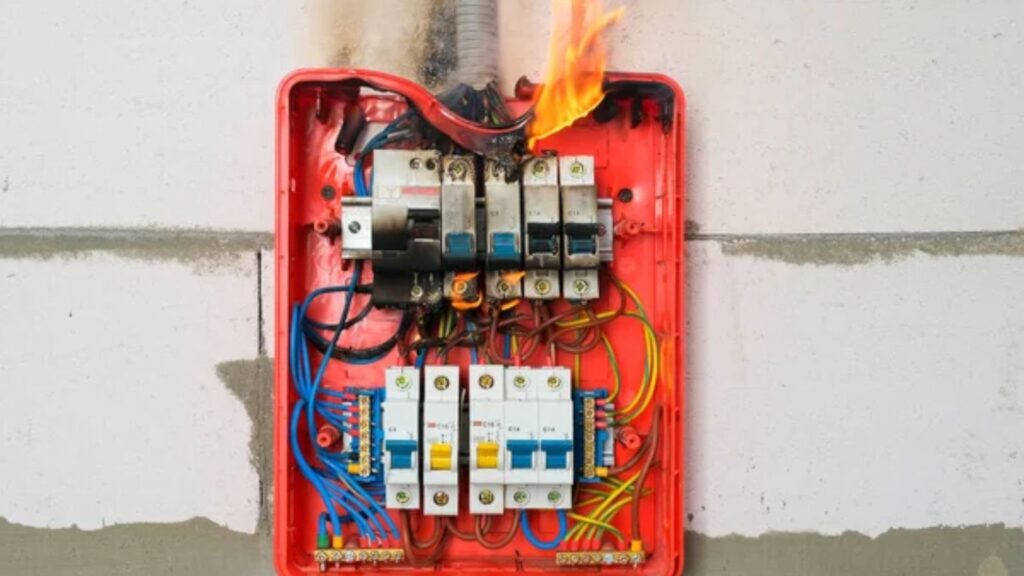
Faulty Electrical Wiring
Old electrical wiring can become a serious fire and shock hazard, especially when insulation has cracked or wires have become damaged. Frayed cords, loose outlets, flickering lights, and frequently tripped breakers are all signs that something may need attention.
If your home’s electrical system is older or you’re seeing warning signs, have a licensed electrician inspect it. Avoid trying to repair damaged wiring yourself unless you’re qualified to do the work.
Related: 15 Easy Household Repairs You Can Tackle Yourself
Gas Leaks
A gas leak can be difficult to spot, particularly if you don’t know what signs to look for. Natural gas is odorized with a substance that gives it a distinctive smell, but you shouldn’t rely on smell alone.
Have gas appliances inspected regularly, and look over accessible gas lines for signs of damage or deterioration. A carbon monoxide detector near sleeping areas can also provide an early warning of this separate but related hazard. If you suspect a gas leak, leave the home and contact the appropriate emergency service or gas company rather than trying to locate the leak yourself.
Germs in Kitchen Sponges
That little sponge sitting beside your kitchen sink may look harmless, but it can collect food particles and stay damp for long periods. Those conditions can allow bacteria and other microorganisms to multiply.
Rinse sponges thoroughly after use and allow them to dry between uses. Replace them regularly, particularly when they develop an odor or start falling apart. Washable dishcloths can also be a practical alternative because they can be laundered frequently.
Related: 13 Household Repairs Most Homeowners Can Handle Themselves
Medication Mix-Ups
A crowded medicine cabinet can make it surprisingly easy to grab the wrong bottle or take the wrong dose. This can be especially dangerous in homes with children, older adults, or several prescription medications.
Keep medicines in their original labeled containers and store them somewhere children cannot reach. Check expiration dates from time to time and dispose of unwanted medication through an appropriate medication take-back program when possible.
Slippery Area Rugs
A loose rug can turn into a tripping hazard in seconds. This is particularly concerning on smooth floors, where a rug can slide when someone steps on its edge.
Use a nonslip rug pad or suitable rug tape to keep it in place. Check the backing from time to time because pads and adhesives can lose their grip as they age.
Wobbly Ceiling Fans
A ceiling fan that shakes, rattles, or sways while running shouldn’t be ignored. The movement could come from loose screws, uneven blades, an installation problem, or another mechanical issue.
Turn off the fan before checking for loose parts. If the problem continues or the fan is poorly secured, have a qualified professional inspect it. Large ceiling fans need proper support from the structure above them rather than being attached only to drywall.
Related: 15 Cleaning Tools That Make Household Chores Less Stressful
Faulty Smoke Alarms
Smoke alarms can give your family precious warning during a fire, but only if they’re working.
Test your alarms regularly and replace batteries according to the manufacturer’s recommendations. The U.S. Fire Administration recommends replacing smoke alarms every 10 years. If an alarm is old, damaged, or repeatedly malfunctioning, replace it rather than waiting for it to fail during an emergency.
Outdated Fire Extinguishers
A fire extinguisher sitting in the corner doesn’t help much if it has lost pressure, is damaged, or has passed its service life.
Check your extinguishers regularly for visible damage and confirm that the pressure indicator is in the proper range when the model has one. Follow the manufacturer’s instructions for inspection, servicing, and replacement. Keep extinguishers in easy-to-reach locations and make sure everyone in the household knows where they are and how to use them.
Hazardous Household Cleaners
Bleach, drain cleaners, oven cleaners, and other household chemicals can cause serious injuries if they’re swallowed, splashed onto skin, or mixed with another product.
Keep these products in their original containers and store them somewhere children and pets cannot access. Never mix cleaning chemicals unless the product directions specifically say that it’s safe. Wear gloves or other protective equipment recommended on the label, and use the products in a well-ventilated area.
Lead in Tap Water
Lead can get into drinking water through older plumbing, faucets, and other components. You can’t tell whether your water contains lead just by looking at it, and boiling water does not remove lead.
If you’re concerned about your home’s plumbing or live in an older property, consider having your water tested. The National Institutes of Health has documented the health concerns associated with long-term lead exposure. If testing finds lead, use a water filter certified for lead removal and address the source of the contamination with a qualified professional.
Blocked Dryer Vents
Dryer lint isn’t just a nuisance. A clogged dryer vent can restrict airflow, make the appliance work harder, increase drying times, and raise the risk of a dryer fire.
Clean the lint filter after every load and inspect the dryer vent regularly. If the vent is difficult to access or has a long duct run, have it professionally cleaned. Check the exterior vent while the dryer is running to confirm that air is actually coming out.
Faulty Garage Doors
Automatic garage doors are heavy pieces of equipment, so problems with the door or its safety sensors can create a serious injury risk.
Test the photo-eye sensors regularly and keep the area around them clear. If the door reverses unexpectedly, refuses to close, makes unusual noises, or has damaged cables or springs, stop using it until a qualified garage-door technician can inspect it. As Access Garage Doors explains, sensor problems can prevent an automatic door from closing properly.
Weak Guardrails
Loose or damaged railings around stairs, balconies, porches, and decks can make a fall much more likely. A railing may look sturdy while its posts or fasteners are already starting to fail.
Give railings a firm check from time to time and look for loose connections, rot, rust, cracks, or movement. Repair or replace damaged sections before someone relies on them for support.
Deficient Insulation
Poor insulation can lead to higher heating and cooling costs, but there’s another issue worth checking: moisture.
Damaged or missing insulation can sometimes be connected with condensation and moisture problems inside walls or attics. Moisture that remains hidden can contribute to mold and wood damage.
If you’re remodeling or opening up a wall, inspect the surrounding area for water stains, damp insulation, mold growth, or other signs of moisture. A building professional can help identify the source before new insulation is installed.
Hidden Clutter
A pile of boxes, bags, shoes, or other belongings can seem harmless until someone needs to get through the space quickly. Clutter can block exits, narrow walkways, create tripping hazards, and make it harder to reach emergency equipment.
Keep stairs, hallways, doors, and escape routes clear. Pay attention to clutter around heaters and electrical equipment, too. Regularly clearing these areas makes the home easier to move through and reduces several small hazards at once.