Most people assume that if an item is sitting in their home, it must be legal to own. In reality, some products and substances are regulated more closely than many realize. Depending on where you live, certain items may require permits, prescriptions, special storage, or may be prohibited altogether.
What’s surprising is that some of these items don’t look unusual at all. They can be things people inherit, purchase without realizing the rules, or simply forget they have tucked away in a cabinet, garage, or storage room.
This list highlights 12 household items that may be restricted or illegal in some areas. It’s a reminder that local laws can vary, and a quick review of what you’re keeping at home could save you from an unexpected problem down the road.
Unauthorized Prescription Drugs

Did you know that holding onto prescription medications not prescribed to you is illegal in the U.S.? Keeping those leftover antibiotics might seem harmless, but they can lead to drug charges. Always properly dispose of old or unused medications to avoid legal issues.
Certain Wildlife Souvenirs

Have you ever brought home an excellent souvenir from your travels? You could be in trouble if it’s made from endangered species, like ivory or sea turtle shells. Owning these items without specific permits is illegal and can result in fines. Plus, it contributes to the endangerment of these species.
Unlicensed Firearms
Owning firearms without the appropriate licensing is a federal offense in the U.S. and can lead to severe penalties, including fines and imprisonment. To avoid legal complications, ensure your firearms are registered, and you have the necessary permits.
Pirated Movies and Music

We’ve all been tempted by the allure of free movies and music, but possessing pirated DVDs or illegal downloads violates copyright laws. Not only can this lead to fines and legal trouble, but it also harms the creators who deserve to be paid for their work.
Counterfeit Money

Possessing counterfeit currency is illegal under U.S. law, even if kept as a novelty. If you come across fake money, inform the authorities instead of keeping it. Holding onto counterfeit money can lead to federal charges, so it’s best to steer clear.
Certain Types of Lock Picks

Owning lock-picking tools without being a licensed locksmith is illegal in many states. It suggests criminal intent and can lead to breaking charges. If you’re interested in locksmithing as a hobby, ensure you understand your state’s laws first.
Certain Types of Plants

Growing certain plants, like marijuana, in states where it’s not legalized or endangered species without a permit is illegal. Penalties can range from fines to jail time. Always check your state’s regulations before planting anything questionable in your garden.
Modified Cable Boxes

Using altered cable boxes to access services without paying is theft and is punishable under federal law. It might seem like a sneaky way to save money, but it’s illegal and can have serious consequences. Ensure all your cable and streaming services are legally obtained.
Homemade Alcohol

Distilling spirits at home without a license is illegal in the U.S. due to safety concerns and tax regulations. While making your moonshine might sound fun, it can lead to legal actions and fines. Stick to store-bought spirits or get the proper permits if you’re serious about home distilling.
Offensive Weapons

Many U.S. states ban switchblades, gravity knives, brass knuckles, and billy clubs. Owning these offensive weapons can result in criminal charges and fines. Always check local laws to avoid inadvertently breaking them.
Incandescent Light Bulbs
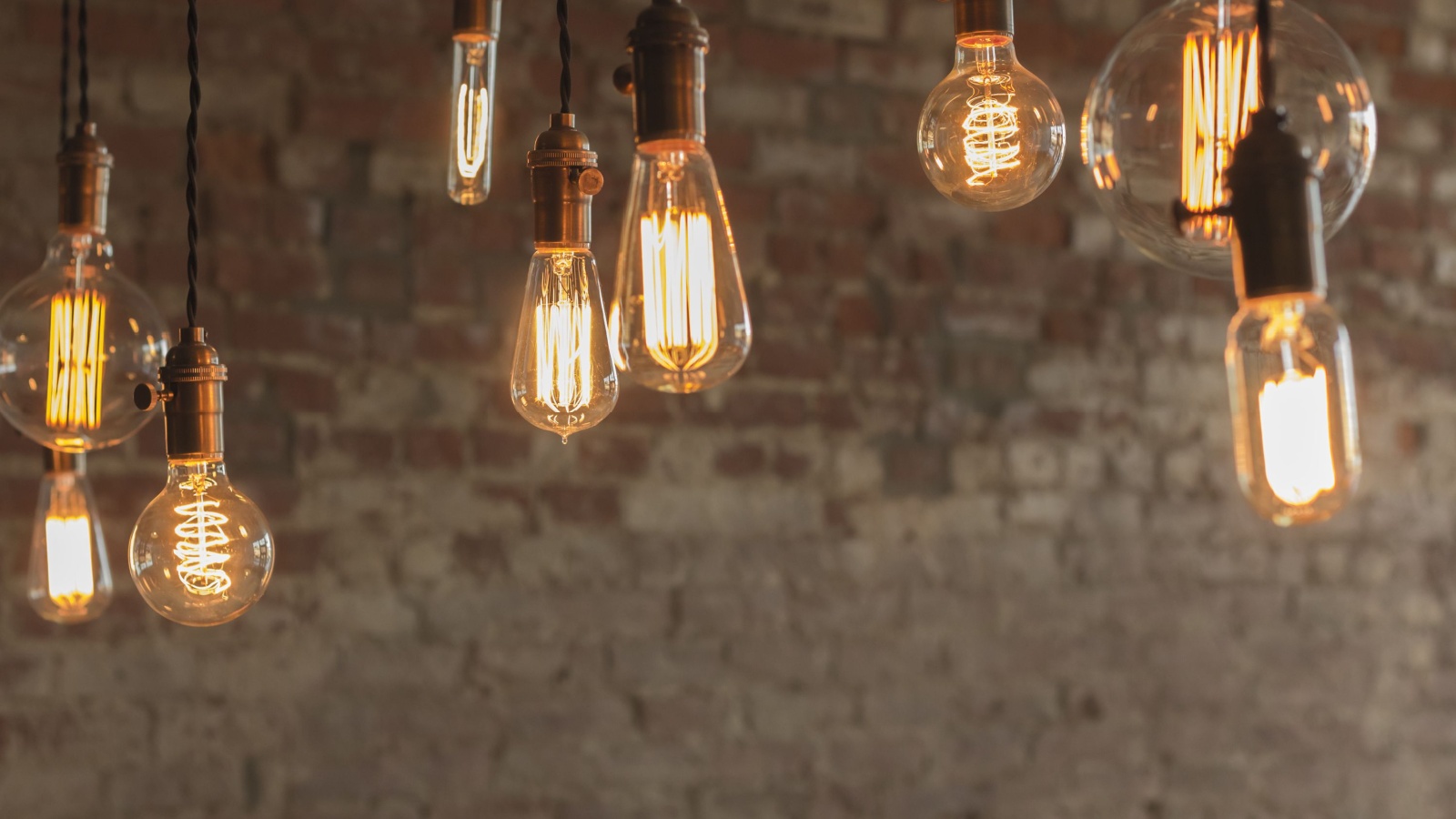
As of April 2022, the Department of Energy has banned light bulbs emitting less than 45 lumens per watt, making traditional incandescent bulbs illegal. The Department of Energy anticipates that the ban will save consumers nearly $3 billion annually on electricity bills.
Additionally, it is projected to decrease carbon emissions by 222 million metric tons over the next 30 years. Switching to energy-efficient bulbs might come as a surprise, but it keeps you legal and helps the environment.
Raw Milk

The sale and possession of raw milk have been declared illegal in several states due to health concerns over bacteria such as E. coli and Salmonella. While some people swear by the health benefits of raw milk, it’s essential to know your state’s laws to avoid any trouble.