
Eating well does not have to mean constantly feeling hungry or measuring every bite. Many fruits and vegetables are naturally low in calories, high in water, and packed with fiber and nutrients, making them easy choices for filling out meals and snacks.
A GlobalData study on moderation and food avoidance found that 54% of consumers worldwide pay close or very close attention to the ingredients in the foods and drinks they buy. Sugar, fat, and salt were among the ingredients people were most likely to watch.
That does not mean you have to live on tiny portions. Foods with plenty of water, fiber, vitamins, and minerals can add volume to your meals without contributing huge amounts of calories. Here are 25 options worth keeping in regular rotation.
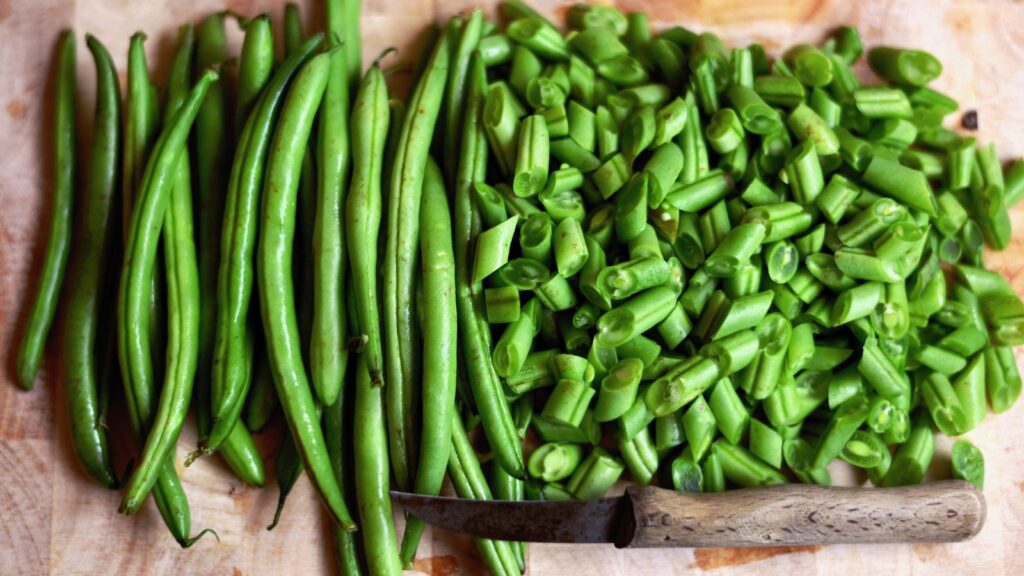
Green Beans
Green beans have a satisfying crunch and very few calories. One cup of raw green beans contains about 31 calories and provides vitamin C, vitamin K, fiber, and folate.
They work just as well as a snack as they do on the dinner table. Eat them raw, steam them, roast them with a little seasoning, or toss them into a salad.
Related: 13 Sneaky Food Safety Problems Lurking in Your
Apples
An apple is sweet enough to feel like a treat while providing plenty of fiber. A medium apple contains roughly 95 calories and about 4 grams of fiber, which can help you stay satisfied between meals.
Harvard Health has also linked regular apple consumption with potential benefits for blood pressure, cholesterol, and inflammation.
Slice one for a quick snack, bake it with cinnamon, or add it to a salad for a naturally sweet bite.
Asparagus
One cup of cooked asparagus contains around 40 calories and supplies vitamin K, folate, and several antioxidants. It also provides fiber, which can help make a meal more filling.
Roasted asparagus develops a slightly crisp texture, while steaming keeps it tender. It also works well in soups, omelets, grain bowls, and salads.
Pineapple
Pineapple brings plenty of sweetness without the calorie count of many desserts. One cup of pineapple chunks contains about 82 calories and is an excellent source of vitamin C.
Pineapple also contains bromelain, an enzyme that has been studied for its possible effects on digestion and inflammation.
Fresh pineapple makes a great snack, but it can also be grilled, mixed into fruit salads, or blended into smoothies.
Related: 20 Healthy Food Habits Worth Stealing From Other Countries
Spinach
Raw spinach is one of the easiest ways to add a large amount of food to a meal without adding many calories. One cup contains only about 7 calories and provides vitamin K, vitamin A, folate, iron, and other nutrients.
Use fresh spinach as a salad base, add it to sandwiches, sauté it with garlic, or blend a handful into a smoothie.
Papaya
One cup of papaya chunks contains roughly 62 calories and provides plenty of vitamin C, along with vitamin A and fiber.
Papaya contains papain, an enzyme that helps break down proteins and has been studied for its role in digestion.
The fruit is delicious on its own, but it also works well with lime juice, in fruit salads, or blended into smoothies.
Eggplant
Eggplant is filling without being calorie-heavy. One cup of cooked eggplant contains around 35 calories and provides fiber, potassium, and plant compounds such as nasunin.
Its soft, hearty texture makes it useful in dishes where you want something more substantial. Grill slices, roast cubes, add it to stews, or use it in dishes such as eggplant Parmesan and vegetable lasagna.
Related: 16 Food-Producing Plants That Are Perfect for Small Indoor Spaces
Oranges
A medium orange contains about 62 calories and provides a substantial amount of vitamin C. It also contains plenty of water, making it a refreshing choice for a snack.
Eating the whole fruit also gives you fiber that you would miss from drinking orange juice alone.
Peel one for a quick snack, add segments to a salad, or pair them with yogurt or nuts.
Cantaloupe
Cantaloupe is mostly water, which makes it especially refreshing on a hot day. One cup of diced cantaloupe contains about 53 calories and provides vitamins A and C along with potassium.
The fruit works well on its own or mixed with other fruit. Chilled cantaloupe can also make a refreshing addition to breakfast or a light afternoon snack.
Lettuce
Lettuce is a simple way to add bulk and crunch to meals. One cup of chopped romaine contains only about 8 calories and provides vitamin A, vitamin K, and folate.
According to the USDA, lettuce is also more than 95% water.
Use it for salads, wraps, sandwiches, burgers, or lettuce cups filled with chicken, beans, or other ingredients.
Leafy Greens
Spinach is far from the only leafy green worth eating. Kale, arugula, collard greens, and other leafy vegetables provide vitamins, minerals, fiber, and plant compounds while remaining relatively low in calories.
A mixture of greens can keep salads and other meals interesting. Eat them raw, cook them into soups, sauté them as a side dish, or blend them into smoothies.
Related: 15 Kitchen Tools You Should Check If You’re Worried About Food Contamination
Cucumbers
Cucumbers are mostly water, with roughly 95% water content, according to The Cleveland Clinic. A medium cucumber contains only around 16 calories and provides vitamin K and small amounts of potassium and other nutrients.
Their crisp texture makes them an easy substitute for chips or crackers when you want something crunchy.
Slice them into salads, eat them with hummus, add them to sandwiches, or enjoy them chilled with a little seasoning.
Berries
Strawberries, blueberries, raspberries, and blackberries offer plenty of flavor for relatively few calories. They also provide fiber and plant compounds, including anthocyanins in many varieties.
One cup of strawberries contains roughly 50 calories and provides more vitamin C than many people expect from such a small serving.
Eat berries fresh or frozen, stir them into yogurt, add them to oatmeal, or blend them into a smoothie.
Celery
Celery is very low in calories, with a medium stalk containing only a handful. It also provides water, fiber, vitamin K, and potassium.
You may have heard celery described as a “negative-calorie food.” That claim is not supported by good evidence; your body does use energy to digest food, but celery does not burn more calories than it provides.
Still, celery is a useful low-calorie snack. Try it with hummus, peanut butter, or a light dip, or add it to soups and stews.
Watermelon
Few foods are as refreshing as cold watermelon. One cup of diced watermelon contains around 46 calories and provides vitamins A and C along with lycopene.
Its high water content also makes it a filling choice, particularly during warm weather. A Penn State study has found that foods with high water content can help increase feelings of fullness.
Eat watermelon chilled, add it to fruit salads, or freeze chunks for a simple summer snack.
Zucchini
A medium zucchini contains roughly 33 calories and provides vitamin C, vitamin B6, potassium, water, and fiber.
It is also one of those vegetables that can take on many forms. Slice and roast it, grill it, add it to soups, or turn it into “zoodles” as an alternative to traditional pasta.
Bell Peppers
Bell peppers provide plenty of crunch and sweetness for very few calories. A medium pepper contains around 25 calories and is especially high in vitamin C.
Red, yellow, orange, and green peppers can all add variety to meals. Eat them raw with hummus, roast them, stuff them with beans or lean protein, or add them to stir-fries and salads.
Broccoli
One cup of chopped broccoli contains around 31 calories when raw and provides vitamin C, vitamin K, fiber, and other nutrients.
Broccoli is also a cruciferous vegetable containing compounds such as sulforaphane. The National Cancer Institute discusses the plant compounds found in cruciferous vegetables and their potential health effects.
Steam the florets, roast them until the edges become crisp, eat them raw with dip, or stir them into pasta, rice, and soups.
Carrots
Carrots have a naturally sweet flavor and plenty of crunch. A medium carrot contains roughly 25 calories and provides beta-carotene, which the body converts into vitamin A.
They are easy to eat raw and travel well as a snack. Roasting brings out even more sweetness, while grated carrots work well in salads and sandwiches.
Mushrooms
Mushrooms are another low-calorie food with plenty of savory flavor. One cup of sliced white mushrooms contains around 15 calories and provides nutrients such as selenium, potassium, and several B vitamins.
Mushrooms also contain ergothioneine and other antioxidant compounds. Research from Penn State has examined their potential health benefits.
Sauté them for breakfast, add them to pasta or stir-fries, or use them in burgers, tacos, and other recipes in place of some of the meat.
Cauliflower
One cup of raw cauliflower contains about 25 calories. It provides vitamin C, fiber, choline, and several other nutrients.
Its mild flavor makes it useful in all kinds of dishes. Roast the florets, blend them into soup, mash them, or turn them into cauliflower rice.
Tomatoes
A medium tomato contains around 22 calories and provides vitamin C, potassium, and lycopene.
Lycopene has received plenty of attention for its possible role in heart health and cancer prevention. The World Cancer Research Fund discusses research linking tomato and lycopene consumption with prostate cancer risk.
Fresh tomatoes are great in salads and sandwiches, while cooked tomatoes work well in sauces, soups, and roasted vegetable dishes.
Radishes
Radishes deliver plenty of crunch and a peppery flavor for very few calories. One cup of sliced radishes contains about 19 calories and provides vitamin C and other plant compounds.
Eat them raw, slice them into salads, pickle them, or add them to tacos for a crisp bite.
Grapefruit
Half a grapefruit contains roughly 37 calories and provides a substantial amount of vitamin C. Its high water content also makes it refreshing and filling.
Grapefruit can be eaten on its own, added to fruit salads, or paired with yogurt and other breakfast foods.
One caution: grapefruit can interact with certain medications. If you take prescription medicine, check with your doctor or pharmacist before adding large amounts of grapefruit to your diet.
Cabbage
Cabbage is inexpensive, filling, and remarkably versatile. One cup of chopped raw cabbage contains about 22 calories and provides vitamin C, vitamin K, and fiber.
WebMD also points to antioxidants such as polyphenols found in cabbage.
Use it raw in coleslaw, sauté it with other vegetables, add it to soups, or ferment it into sauerkraut or kimchi.
A Better Way to Think About “Unlimited”
None of these foods literally needs to be eaten without limits. Calories still add up, and portion needs vary from person to person. Some preparations can also change the calorie count considerably. A cucumber is one thing; a cucumber covered in a heavy dressing is another.
The bigger idea is to fill your meals with foods that offer plenty of water, fiber, and nutrients without requiring huge amounts of calories. That can make healthy eating feel much less restrictive while leaving room for the foods you genuinely enjoy.