Cholesterol gets a bad reputation, but your body actually needs it. It helps build cells and makes certain hormones and vitamins. The concern is having too much LDL cholesterol, which can contribute to plaque buildup in the arteries and raise the risk of heart disease and stroke. The CDC reports that about 38% of American adults have high cholesterol.
The tricky part is that high cholesterol usually doesn’t come with obvious symptoms. For many people, food choices can be one piece of managing those numbers. You don’t have to give up every food you enjoy, either. Cutting back on foods high in saturated and trans fats, while making room for more fiber-rich and unsaturated-fat foods, can make a difference.
Here are 15 foods worth limiting if you’re trying to keep your cholesterol in check.
Processed Meats
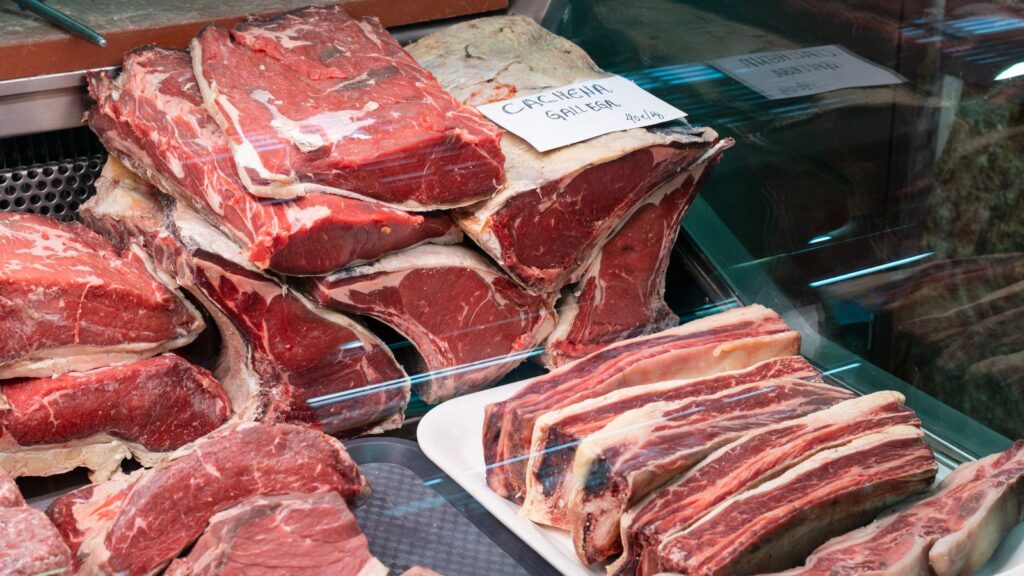
Bacon, sausage, hot dogs, and other processed meats tend to be high in saturated fat and sodium. Regularly eating processed meat has also been linked with a higher risk of several health problems. The World Health Organization classifies processed meat as a Group 1 carcinogen.
You don’t have to give up meat altogether. Lean chicken or turkey can be a better everyday choice, while processed meats can stay in the occasional category.
Related: 15 Foods Surprisingly Linked to Microplastic Exposure
Baked Goods and Pastries
Cookies, cakes, doughnuts, pastries, and similar treats can contain plenty of butter, shortening, saturated fat, and added sugar. Some commercially made products may also contain partially hydrogenated oils, although trans fats have been greatly reduced in the U.S.
If you’re baking at home, try recipes that use ingredients such as olive or canola oil and whole-grain flour. Portion size matters, too.
Fast Food
A burger and fries once in a while aren’t going to determine your cholesterol levels by themselves. The bigger concern is eating fast food frequently, since many meals are high in saturated fat, calories, and sodium.
Cooking more meals at home gives you greater control over the fats and ingredients in your food. Grilled chicken sandwiches, bean-based meals, or a homemade burger with a side salad can be easy alternatives.
Red Meat
Beef, pork, and lamb can fit into a balanced diet, but fatty cuts contain more saturated fat than leaner choices. Eating large portions frequently can make it harder to keep saturated fat intake low.
Choose lean cuts and keep portions reasonable. You can also replace some red-meat meals with fish, beans, lentils, or skinless poultry. Salmon and trout are especially useful choices because they provide omega-3 fats.
Related: 13 Surprisingly Common Foods People Are Embarrassed to Like
Egg Yolks
Egg yolks contain a considerable amount of dietary cholesterol, with one large yolk providing roughly 186 milligrams. For most people, dietary cholesterol has a smaller effect on blood cholesterol than saturated and trans fats.
That doesn’t mean you need to ban eggs from breakfast. If you’re trying to reduce dietary cholesterol, you can use a combination of whole eggs and egg whites. Your individual needs may differ, particularly if you’ve been told you have high cholesterol or another heart-related risk factor.
Shellfish
Shrimp, lobster, and crab can be surprisingly high in dietary cholesterol. A 3-ounce serving of shrimp contains roughly 166 milligrams.
Shellfish can still be part of a heart-conscious diet. The way you prepare it matters. Steaming, boiling, or grilling is a better choice than frying it in butter or serving it with a heavy cream sauce.
Cheese
Cheese can be an easy source of saturated fat, particularly varieties such as cheddar, cream cheese, and other full-fat options. That doesn’t make cheese off-limits, but large portions can add up quickly.
Try using a smaller amount of strongly flavored cheese so you still get plenty of flavor. Lower-fat varieties can also work well for everyday meals.
Related: 12 Common Pantry Foods You’re Better Off Throwing Away
Butter and Ghee
Butter and ghee are popular for cooking because they add plenty of flavor, but both are high in saturated fat. The USDA lists about 7 grams of saturated fat in a tablespoon of butter.
For everyday cooking, consider olive oil or another oil that is lower in saturated fat. You can still keep butter or ghee around for dishes where you really want the flavor.
Coconut Oil
Coconut oil is often marketed as a healthier cooking fat, but it contains a very high percentage of saturated fat. Research from the Harvard T.H. Chan School of Public Health has found that coconut oil can raise LDL cholesterol.
There’s room for a little coconut oil if you enjoy its flavor, but it may not be the best choice as your main cooking oil. Canola, olive, or sunflower oil generally provides more unsaturated fat.
Palm Oil
Palm oil is found in many packaged foods because it is inexpensive and has a long shelf life. It is also relatively high in saturated fat, which can raise LDL cholesterol.
Checking ingredient labels can help you spot palm oil in packaged snacks and other processed foods. Choosing foods made with oils that contain more unsaturated fat can be a better choice for cholesterol management.
Sugary Beverages
Soda, sweetened tea, energy drinks, and other sugary beverages don’t contain much cholesterol themselves. The issue is their high added-sugar content.
Regularly drinking large amounts of added sugar can contribute to weight gain and higher triglyceride levels, both of which can affect heart health. Swapping some sugary drinks for water, sparkling water, or unsweetened tea is an easy change that doesn’t require changing your meals.
Alcohol
Alcohol isn’t a direct source of cholesterol, but drinking too much can raise triglycerides and contribute extra calories. Heavy drinking can also damage the liver and cause other health problems.
If you drink, follow current CDC guidance on moderation. Some people should avoid alcohol altogether, and drinking alcohol shouldn’t be viewed as a way to improve cholesterol.
Packaged Snack Foods
Chips, crackers, snack cakes, and similar packaged foods can contain saturated fat, added sugar, and plenty of sodium. Some products may also contain unhealthy fats depending on how they’re made.
For something crunchy between meals, try nuts, seeds, air-popped popcorn, or roasted chickpeas. Checking the nutrition label can also help you compare products before putting them in your cart.
The American Heart Association explains that trans fats can raise LDL cholesterol while lowering HDL cholesterol, making them particularly undesirable for heart health.
Fried Foods
French fries, fried chicken, doughnuts, and other deep-fried foods can absorb a surprising amount of fat during cooking. Depending on the ingredients and oil used, they may also contain substantial amounts of saturated fat.
A 2019 study published in The BMJ linked higher consumption of fried foods with an increased risk of cardiovascular problems.
You don’t have to give up crispy foods completely. Baking or air-frying potatoes, chicken, vegetables, and other favorites can give you a similar texture with less added fat.
Full-Fat Dairy Products
Whole milk, cream, butter, and other full-fat dairy products can contribute a fair amount of saturated fat to your diet. The American Heart Association recommends keeping saturated fat below 6% of daily calories for people who need to lower their LDL cholesterol.
Research from Harvard Medical School suggests that lower-fat dairy and some plant-based alternatives can be useful substitutes.
Look for unsweetened options when choosing plant-based milk, since some flavored versions contain a surprising amount of added sugar.
The Bigger Picture
You don’t have to create a completely different diet overnight. Start by looking at the foods you eat most often and find a few easy swaps. Replace some processed meat with beans or fish, cook with olive oil instead of butter, and choose snacks with more fiber and less saturated fat.
Your overall eating pattern matters more than any single food. If you have high cholesterol, talk with your doctor or a registered dietitian about the changes that make sense for you, especially if you’re taking cholesterol medication or have other heart-health concerns.