Microplastics are tiny pieces of plastic, generally less than 5 millimeters long, that form as larger plastic items break down. They can move through water, soil, and air, eventually making their way into the food chain.
That doesn’t mean you need to panic about everything on your plate. Research into microplastics in food is still developing, and scientists are still working out exactly how much exposure comes from different foods and what long-term health effects may result.
Still, some foods have been found to contain microplastic particles, sometimes from the environment and sometimes from processing, packaging, or storage. Here are 15 foods and drinks that may contain microplastics that you might not expect.
Sea Salt
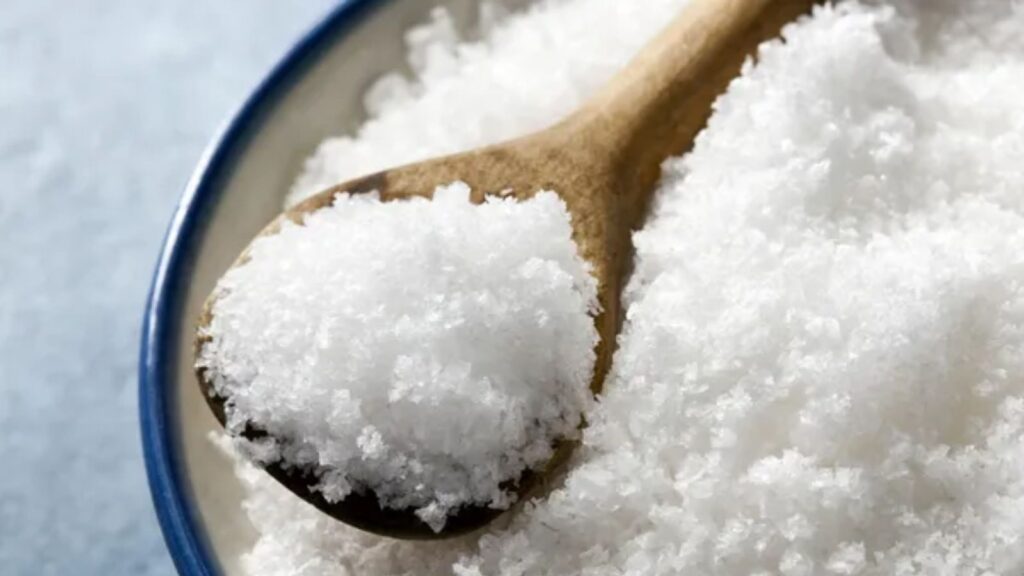
Sea salt comes from seawater, so it makes sense that plastic pollution in the ocean can eventually show up in salt. Tiny plastic particles can remain in seawater and become concentrated as the water evaporates.
Some studies have detected microplastics in commercially available sea salts. This doesn’t mean sea salt is unsafe to eat, but it is one reason researchers continue to study how plastic pollution moves through the food supply.
Rock salt and mined salts such as Himalayan pink salt come from underground deposits rather than seawater, so their sources are different. That doesn’t guarantee they are free of microplastics, but they aren’t exposed to ocean water during production.
Canned Foods
The food inside a can isn’t necessarily the only thing worth looking at. Packaging materials can also contribute to plastic particle contamination.
Some cans have plastic-based coatings or sealants that help protect the food and prevent the metal from reacting with what’s inside. Tiny particles can potentially migrate from packaging into food during processing or storage.
Fresh or frozen foods can be an easy alternative if you’re trying to cut down on packaged foods. For example, fresh or frozen fish can replace canned fish without giving up the nutritional benefits fish provides.
Chewing Gum
Chewing gum may be one of the more surprising foods on this list.
Some conventional chewing gums use synthetic polymers in their gum base. These materials help give gum its familiar stretchy, chewy texture, and researchers have raised concerns about the release of plastic particles during chewing.
If you’d rather avoid synthetic gum bases, look for products made with natural chicle or other plant-based gum bases. Checking the ingredient list can tell you quite a bit about what you’re actually chewing.
Beer
Microplastics have been detected in beverages, and beer is among the drinks researchers have examined. The particles can potentially enter during brewing, processing, packaging, or from the water and raw ingredients used to make the beer.
Plastic packaging and equipment may also contribute to contamination.
There’s no need to assume that every bottle or can of beer contains a dangerous amount of plastic. Research is still being done to figure out where these particles come from and what the exposure means for human health.
Bottled Water
Bottled water has received plenty of attention in microplastic research. Plastic bottles can release tiny particles into the water, particularly as the bottle is handled, stored, or exposed to heat.
Common bottle plastics include polyethylene terephthalate (PET), while polypropylene may be used in caps and other components.
If you want to cut down on your use of single-use plastic bottles, filtered tap water is a practical option where the tap supply is safe. A properly certified water filter may also reduce certain contaminants. Reusable glass or stainless-steel bottles can replace disposable plastic bottles for everyday use.
Fish and Shellfish
Fish and shellfish live in environments where plastic pollution is already present. Some animals can ingest plastic particles directly, allowing those particles to enter their digestive systems.
This can be a particular concern with filter-feeding shellfish such as mussels and oysters because they process large amounts of water.
A varied diet can help reduce dependence on any single source of potential exposure. Beans, lentils, nuts, and seeds are also useful sources of protein and can add variety to meals.
Sugar
Sugar can come into contact with plastic during processing, transportation, and storage. Some studies have found microplastic particles in food products, raising questions about how much contamination may come from the food itself versus its packaging and handling.
If you’re trying to reduce your overall intake of added sugar, cutting back can make sense for several reasons beyond microplastics. Honey or maple syrup can be used in some recipes, though they are still forms of added sugar and aren’t automatically healthier simply because they’re less processed.
The bigger point is to avoid assuming that switching sweeteners completely eliminates microplastic exposure.
Tea Bags
Your morning cup of tea may involve more plastic than you realize. Some tea bags use polypropylene or other synthetic materials, either in the bag itself or in the material used to seal it.
Researchers have found that plastic particles can be released from certain tea bags during brewing, though the health implications of these exposures are still being studied.
Loose-leaf tea is an easy way to avoid many types of plastic tea bags. A stainless-steel or glass infuser can do the same job without requiring a disposable bag.
Chicken
Microplastics can enter livestock through contaminated feed, soil, water, or the surrounding environment. Researchers have found plastic particles in the digestive systems of chickens.
A study published through the National Library of Medicine found evidence of microplastic particles in the crop and gizzard of chickens, with larger particles appearing more frequently in the samples examined.
Choosing organic poultry may give you different farming and feed standards, but it shouldn’t be treated as a guarantee that the meat contains no microplastics. These particles are widespread in the environment, making complete avoidance difficult.
Rice
Rice can come into contact with microplastics through soil, irrigation water, processing, and packaging.
Research from the University of Queensland found plastic particles associated with rice consumption and reported higher amounts in instant rice than in conventional rice.
One simple habit that may help is rinsing rice thoroughly before cooking. It can remove some material from the surface, although it won’t eliminate particles that have already entered the grain.
Buying rice in larger packages can also reduce the amount of packaging used per serving. If you’re buying in bulk, look for stores that use minimal packaging or choose paper or cardboard packaging where practical. You can also buy in bulk to cut down on packaging waste.
Soft Drinks
Plastic bottles are another possible source of microplastic exposure. Particles can enter beverages from the bottle itself, the cap, processing equipment, or other parts of the bottling process.
That doesn’t mean every soft drink contains a harmful amount of microplastics. It does give you another reason to limit sugary drinks and choose water more often.
For something with more flavor, try water infused with fruit or herbs, homemade iced tea, or freshly squeezed juice. These options also make it easier to control the amount of added sugar in your drink.
Milk
Milk can come into contact with plastic during processing, transportation, and storage. Plastic containers and lids may contribute particles that end up in the finished product.
Switching from conventional milk to organic milk doesn’t automatically eliminate microplastics. The packaging still matters, and environmental exposure can occur before the milk reaches the store.
If reducing plastic contact is your goal, look for milk sold in glass containers where available. Plant-based options such as oat, soy, or almond milk can also be considered, but check the packaging and ingredient list rather than assuming a particular type is free of microplastics.
Fruits and Vegetables
Fresh produce may seem like the last place you’d expect to find plastic, but plants grow in soil and receive water that can contain microplastics.
Plastic mulch, irrigation systems, agricultural materials, contaminated soil, and airborne particles are all possible sources.
A peer-reviewed study by researchers at the University of Catania examined microplastics in fruits and vegetables and reported particles in produce, including apples and carrots.
Washing fruits and vegetables thoroughly before eating them is a good everyday habit. Growing some of your own produce can also give you more control over the soil, water, and materials used in your garden.
Bread
Bread can encounter plastic at several points before it reaches your kitchen. Microplastics may come from ingredients, processing equipment, water, packaging, or airborne particles in food production facilities.
Packaged bread also spends time wrapped in plastic, creating another possible source of exposure.
Buying bread from a bakery, making your own, or choosing products sold in paper packaging can reduce some of that plastic contact. Homemade bread also gives you complete control over the ingredients.
If you’re looking for variety, breads made with rye, spelt, or sourdough can make a nice change from standard sliced bread.
Ready Meals
Ready-made meals are convenient, but their packaging can be another potential source of microplastic exposure. Many frozen and refrigerated meals are stored in plastic trays, films, or containers, and some are heated directly in their packaging.
Heat can affect how materials interact with food, which is one reason packaging manufacturers have specific rules about which containers can be used for cooking or reheating.
Cooking meals at home with fresh ingredients gives you more control over both the food and the packaging it touches. Homemade soups, salads, vegetable stir-fries, rice dishes, and bean-based meals can all replace packaged ready meals without requiring a lot of complicated cooking.
Cutting back on microplastic exposure doesn’t mean you have to throw away everything in your kitchen. Plastic is so widespread that avoiding it completely is difficult. Simple habits such as using glass or stainless-steel containers, washing produce, rinsing rice, choosing loose-leaf tea, and reducing reliance on heavily packaged foods can help limit some potential sources.