
Electrical fires are a serious concern for homeowners across the United States. The National Fire Protection Association (NFPA) reports that roughly 46,000 home fires each year involve electrical distribution or lighting equipment. Those fires are responsible for about 440 deaths, 1,250 injuries, and roughly $1.5 billion in property damage annually.
Old wiring, overloaded circuits, damaged cords, and careless use of electrical equipment can all play a part. The good part is that many electrical fires can be prevented by spotting warning signs early and fixing small problems before they become dangerous.
Here are 15 electrical fire risks that are easy to overlook, along with practical ways to reduce the danger.
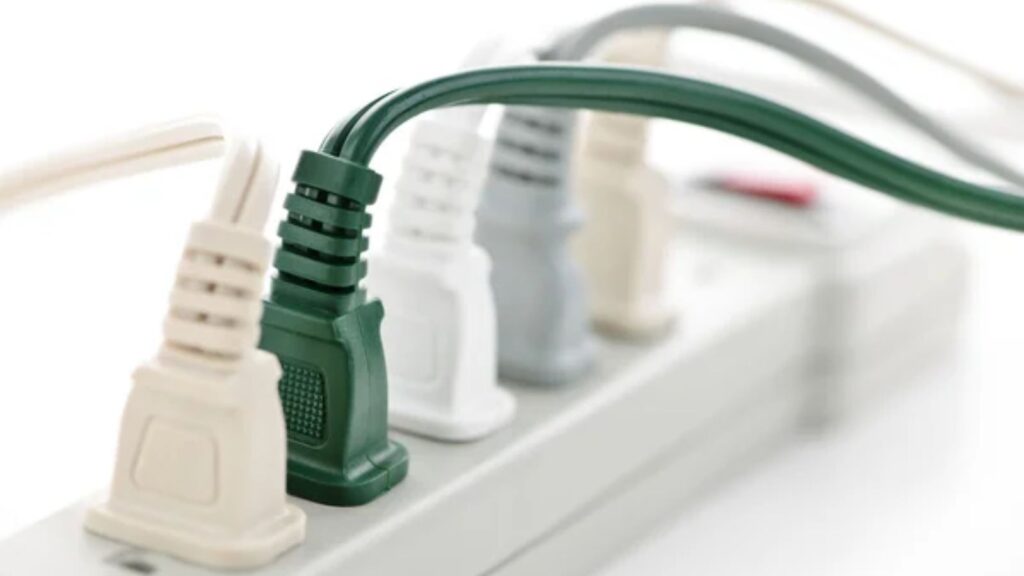
1. Overloaded Outlets
Plugging too many devices into one outlet can put more demand on a circuit than it was built to handle. The outlet, wiring, or connected devices can heat up, creating a potential fire hazard.
The NFPA found that electrical distribution and lighting equipment was involved in more than one out of every seven home fires between 2014 and 2018.
A simple rule is to avoid running multiple high-wattage appliances from the same outlet. Things such as space heaters, microwaves, toasters, and portable air conditioners need a lot of electricity, so give them their own outlet whenever possible.
If you use a power strip, choose one with built-in overload protection. Never use a power strip as a way to keep adding more appliances to an already overloaded circuit.
If an outlet feels hot, smells like burning plastic, makes crackling sounds, or produces sparks, stop using it and have an electrician inspect it.
Related: 14 Common Electrical Problems You Shouldn’t Ignore
2. Old Wiring
Electrical wiring doesn’t last forever. Insulation can become brittle, connections can loosen, and older electrical systems may struggle with the demands created by modern appliances.
Homes built decades ago can have wiring systems that weren’t made to handle the number of electronics and appliances used in a typical household today.
Burning smells, flickering lights, buzzing sounds, discolored outlets, warm wall plates, and visible wire damage can all point to an electrical problem.
If your house has older wiring, have a licensed electrician inspect the system. Depending on its condition, parts of the wiring may need to be replaced with modern materials and updated circuit protection.
Do not try to replace or rewire major parts of the electrical system yourself. A professional can determine whether the existing wiring is safe and whether the electrical panel and protective devices need an upgrade.
3. Frayed or Damaged Cords
A damaged electrical cord is easy to ignore, especially if the appliance still works. That’s a mistake worth avoiding.
Once the insulation around a cord starts cracking, splitting, or wearing away, the wires inside can become exposed. Contact with damaged wiring can lead to shocks, short circuits, overheating, or sparks.
The NFPA has reported that cords and plugs account for more than 10 percent of home fires involving electrical distribution and lighting equipment.
Look over cords on chargers, lamps, extension cords, appliances, and power strips from time to time. Replace anything with exposed wires, scorch marks, melted sections, cracked insulation, or badly bent areas.
Do not run cords beneath rugs or carpets. Damage can go unnoticed, and the cord can also become trapped in a way that creates additional heat.
Related: 13 Unexpected Household Items That Are Actually Fire Hazards
4. Dirty or Blocked Dryer Vents
A clothes dryer can become a serious fire hazard when lint builds up in the exhaust system.
The U.S. Fire Administration estimates that about 2,900 home clothes dryer fires occur each year, causing around five deaths, 100 injuries, and $35 million in property damage.
A clogged vent forces the dryer to work harder and can cause temperatures inside the machine to rise. Lint is highly combustible, making the combination particularly dangerous.
Clean the lint filter after every load. Check the area around the dryer for accumulated lint and have the exhaust duct cleaned when it becomes clogged.
If your dryer takes much longer than usual to dry clothes, feels unusually hot, or produces a burning smell, stop using it until the problem has been checked.
5. Outdated Appliances
An appliance doesn’t have to be completely broken to become a fire risk. Older appliances can develop worn wiring, loose connections, damaged plugs, or failing internal parts while continuing to operate.
This is especially concerning with appliances that produce heat, such as ovens, microwaves, dryers, toasters, and space heaters.
The NFPA has reported that older cooking appliances, including ovens and microwave ovens, can become hazardous when they are poorly maintained or damaged.
Pay attention to unusual noises, burning smells, sparks, flickering displays, damaged cords, and appliances that become much hotter than they used to.
If an older appliance repeatedly trips a circuit breaker, don’t keep resetting the breaker and using it. Have the appliance inspected or replace it.
6. Incorrect Light Bulb Wattage
It is easy to grab the wrong light bulb and screw it into a lamp without checking the label first. Using a bulb with a wattage higher than the fixture allows can create excessive heat.
Lighting equipment accounts for a substantial share of home fires, according to the NFPA.
Before installing a bulb, check the maximum wattage listed on the lamp or fixture. Never exceed that rating.
LED bulbs can also be a good choice because they usually produce much less heat than traditional incandescent bulbs. Still, the fixture’s instructions and wattage limits should be followed.
7. DIY Electrical Work
Replacing a light bulb or outlet cover is one thing. Rewiring a circuit, changing an electrical panel, or installing new wiring is something else entirely.
Electrical systems have to be connected correctly and protected by the right equipment. A mistake that looks minor can cause a circuit to overheat, leave wiring improperly protected, or create a shock and fire hazard.
Major electrical work should be handled by a licensed electrician who knows the local electrical requirements.
If you’re doing simple household work yourself, stick to tasks that don’t involve altering the home’s wiring. If you’re unsure whether a project is safe to handle yourself, stop and ask an electrician before proceeding.
8. Misuse of Extension Cords
Extension cords are handy, but they aren’t meant to become permanent wiring for a room.
Leaving an extension cord plugged in for months, running one under a rug, using a damaged cord, or connecting several cords together can create problems.
Extension cords can overheat when they carry more electricity than their rating allows. Plugging several high-wattage appliances into one cord makes the situation worse.
Check the rating printed on the cord before using it with an appliance. Heavy-duty cords are needed for equipment that draws more electricity.
Avoid connecting extension cords to one another. If you need additional outlets on a permanent basis, have an electrician install them.
9. Electrical Outlets Near Water
Water and electricity are a dangerous combination. An electrical outlet near a sink, bathtub, washing machine, or other water source needs appropriate protection.
This is where Ground Fault Circuit Interrupters, or GFCIs, can make a major difference. A GFCI can shut off electricity when it detects a difference in the current, helping protect people from electrical shock.
GFCI protection is commonly required in areas where water and electricity may come into contact, including bathrooms, kitchens, garages, laundry areas, and outdoor locations.
Test GFCI outlets regularly using the test and reset buttons. If a GFCI won’t reset, keeps tripping, or appears damaged, have it checked by an electrician.
10. Inadequate Smoke Alarms
Smoke alarms don’t prevent electrical fires, but they can give people an early warning when a fire starts.
The NFPA reports that three out of every five home fire deaths occur in properties without smoke alarms or with alarms that weren’t working.
Every bedroom should have a smoke alarm, with additional alarms outside sleeping areas and on each level of the home, including the basement.
Test alarms once a month. Replace batteries according to the manufacturer’s instructions, and replace the entire alarm when it reaches the end of its service life, which is commonly around 10 years.
Don’t remove a battery because an alarm keeps going off without figuring out why. Frequent false alarms can point to dust, steam, a poor location, or another problem.
11. Electrical Outlets Too Close to Flammable Materials
Furniture, curtains, paper, bedding, clothing, and other combustible materials should not be packed tightly around electrical outlets or appliances.
A damaged outlet or electrical device can produce heat or sparks. If combustible material is sitting directly beside it, a small electrical problem can turn into a larger fire.
Keep curtains and furniture away from outlets, lamps, heaters, and other electrical equipment. Avoid covering cords or electrical devices with clothing, blankets, or other materials that can trap heat.
If an outlet becomes hot or discolored, stop using it and have it inspected.
12. Uncovered Outlets
Unused outlets can pose a problem in homes with young children or curious pets. Small fingers or objects can easily end up inside an uncovered receptacle.
The Electrical Safety Foundation International (ESFI) reports that tens of thousands of people experience nonfatal electrical shocks each year.
Unused outlets can be protected with child-safety plug covers or sliding safety plates. Damaged outlets should be replaced rather than covered up.
If an outlet is loose, cracked, discolored, or warm to the touch, don’t continue using it until an electrician checks it.
13. Arc Faults
Arc faults happen when electricity jumps across a damaged or loose connection. The resulting heat can become intense enough to ignite nearby materials.
A damaged wire hidden behind a wall, a loose connection inside an outlet, or a cord that has been repeatedly bent or crushed can all contribute to an arc fault.
This problem can be difficult to spot because the damage isn’t always visible.
Arc Fault Circuit Interrupters (AFCIs) are made to detect certain dangerous arcing conditions and shut down the circuit before the problem develops into a fire. The U.S. Consumer Product Safety Commission (CPSC) has estimated that AFCIs could help prevent a large number of electrical fires.
If a circuit repeatedly trips, especially when there is no obvious overload, have an electrician investigate rather than repeatedly resetting the breaker.
14. Loose Outlets and Switches
An outlet shouldn’t move around every time you plug something into it. A loose receptacle can indicate that the electrical box or wiring connections behind it aren’t secure.
Loose connections can create resistance and heat. Over time, that heat can damage the wiring or surrounding materials.
Watch for outlets or switches that wiggle, buzz, crackle, feel warm, or show discoloration. Don’t try to fix loose electrical connections while the circuit is energized.
Turn off the appropriate circuit and have a qualified electrician inspect the problem.
15. Recalled or Damaged Electrical Products
Sometimes the problem isn’t the home’s wiring at all. An appliance, charger, power strip, extension cord, or other electrical product can have a manufacturing defect that creates a fire or shock hazard.
Pay attention to product recalls and safety notices, especially for older chargers, power strips, heaters, and appliances. A product that has been recalled should be removed from use and handled according to the recall instructions.
Never continue using an electrical product that has melted, smoked, sparked, smelled like burning plastic, or repeatedly caused a circuit breaker to trip.
A few minutes spent checking cords, outlets, appliances, and smoke alarms can help spot trouble before it becomes a house fire. Electrical problems are rarely worth ignoring, especially when there are already signs such as heat, burning smells, buzzing, discoloration, or sparks.
When the problem involves the home’s wiring or electrical panel, call a licensed electrician rather than trying to figure it out yourself.