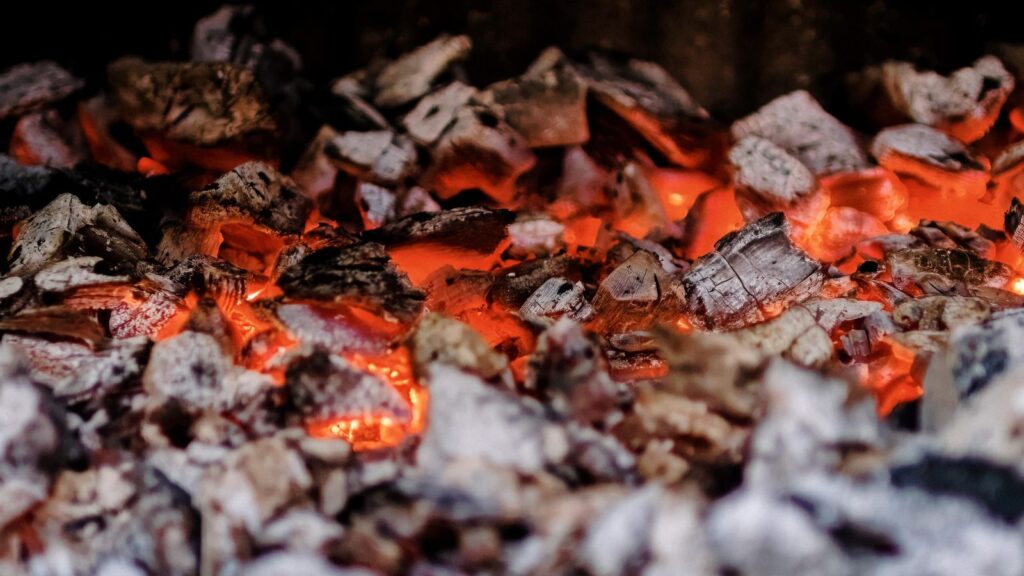
Wood ash is easy to overlook. After a fire dies down, you’re left with a pile of gray powder that looks like it belongs in the trash. But clean wood ash can actually be useful around the house, garden, and homestead.
According to the National Institutes of Health, about 6.5 million people in the United States live in homes primarily heated with wood, so there’s plenty of ash being produced each year. University of Georgia Extension notes that wood ash contains minerals such as potassium and calcium, which gives it several practical uses.
Before putting ash to work, make sure it came from untreated, unpainted, natural wood. Ash from garbage, painted lumber, plywood, charcoal, or other treated materials can contain substances you don’t want in your garden or around your home. Let fresh ash cool completely and store it in a covered metal container.
Here are 15 useful ways to give clean wood ash a second life.
Create a Homemade Cleaner
Wood ash can be turned into a simple abrasive cleaner. Mix a small amount with water until it forms a paste, then use it to scrub grime from suitable surfaces such as glass, metal, or a barbecue grill.
The fine texture gives the paste some scrubbing ability without relying on a commercial cleaning product. Ash can be harsh on skin, so wear gloves while handling the mixture and rinse the surface well afterward.
Test the paste on a small area before cleaning anything delicate. Some surfaces can scratch easily.
Related: 10 Affordable Ways to Make Your Home Look More Inviting
Melt Ice on Driveways
A bucket of wood ash can come in handy during icy weather. It won’t melt ice as quickly as commercial de-icers, but its dark color can help absorb sunlight, while the gritty texture gives shoes and tires more traction.
The Farmer’s Almanac recommends keeping some ash available for icy walkways. Use a light layer rather than dumping large amounts across the pavement. Once the ice melts, excess ash can leave quite a mess.
Deodorize Pet Areas
Wood ash can absorb odors, making it useful around areas where pets spend time. A small amount placed in an appropriate outdoor spot can help with unpleasant smells.
Keep ash away from places where pets could eat or inhale it. For indoor odors, baking soda is usually a safer and easier choice.
Polish Silver
Tarnished silverware can sometimes benefit from a homemade ash polish. Mix a small amount of fine wood ash with water to make a thin paste. Apply it gently with a soft cloth, then rinse and dry the item.
Ash is abrasive, so test it on an inconspicuous area before treating valuable or delicate silver. A commercial silver polish is a better choice for heirlooms that could be damaged by scratching.
Related: 12 Clever Ways to Clean Stubborn Pet Hair from Furniture
Add It to Compost
A little wood ash can add minerals to a compost pile and raise its pH. University of North Carolina State University research notes that ash can be useful in compost when used in modest amounts.
Too much ash can make the compost overly alkaline, so don’t treat it like a main ingredient. A small sprinkle mixed throughout the pile is enough for most home compost setups.
Reduce Algae in Ponds
Wood ash has been used in some ponds to change water chemistry and reduce algae. The idea is based on ash raising alkalinity and adding minerals to the water.
This is one use that calls for extra caution. Adding too much can alter the water chemistry and harm fish, plants, or other aquatic life. Avoid experimenting with ash in ponds containing valuable fish or a delicate ecosystem unless you have reliable guidance on water chemistry.
Add It to Chicken Dust Baths
Chickens naturally roll around in dry soil or dust to help keep external pests under control. A small amount of clean wood ash can be mixed into a chicken dust-bath area along with dry soil or sand.
The ash should come only from untreated natural wood. Give chickens plenty of plain soil or sand too, rather than making ash the main ingredient. Avoid ash that contains charcoal, trash, painted wood, or other unknown materials.
Related: 15 Clever Ways to Use Your Swiffer Sweeper Around the House
Control Odors in Outhouses
Wood ash has long been used in outdoor toilets and composting toilet systems. A small scoop sprinkled after use can help reduce unpleasant odors and add dry material.
The same idea can work in some composting toilet setups, but follow the instructions for your particular system. Too much ash can interfere with the composting process.
Make Lye for Soap
Historically, wood ash was used to make lye for soapmaking. Water was passed through hardwood ash to produce an alkaline solution that could be used in traditional soapmaking.
This is an old-fashioned process that calls for serious care. Homemade lye can cause severe chemical burns, and the strength of the solution can be difficult to judge without proper equipment and experience.
Anyone interested in traditional soapmaking should learn the process from a reliable soapmaking resource and use appropriate gloves, eye protection, containers, and handling procedures. Modern soapmaking commonly uses measured commercial lye because its concentration is known.
Add It to Livestock Feed Only With Expert Guidance
Wood ash contains minerals such as calcium and potassium, which is why some traditional farming practices have included small amounts in animal feed.
That doesn’t mean every type of ash is safe for every animal. The source of the ash, its mineral content, the animal species, and the amount all matter.
Before adding wood ash to livestock feed, speak with a veterinarian or animal nutrition specialist. Don’t guess at a safe amount.
Protect Stored Produce
Some traditional food-storage methods use clean wood ash around root vegetables such as potatoes, carrots, and turnips. The dry material can help limit moisture around the produce and create a less welcoming environment for some pests.
If you try this method, use only completely cool ash from untreated wood and store the vegetables in a cool, dry place. Check stored produce regularly and remove anything showing signs of rot.
Create a Natural Pest Barrier
Dry wood ash can act as a temporary barrier for certain crawling pests. A thin line around an area may discourage ants and some soft-bodied insects from crossing it.
Rain and moisture quickly reduce this effect, so an ash barrier outdoors won’t last indefinitely. Avoid piling ash directly against plant stems, and don’t spread large quantities through the garden.
Fertilize Your Garden
Wood ash contains calcium, potassium, and magnesium, making it useful as a soil amendment in some gardens. The University of Maine notes that wood ash can be useful when applied in small amounts.
Ash can also raise soil pH, so it isn’t suitable for every garden bed. Plants that prefer acidic soil, such as blueberries, azaleas, and rhododendrons, generally shouldn’t receive wood ash.
Before adding it, test your soil so you know whether the pH actually needs to be raised. If the soil already has a high pH, adding ash can create a new problem instead of helping your plants.
Neutralize Acidic Soil
One of the better-known garden uses for wood ash is correcting acidic soil. Because ash acts somewhat like agricultural lime, it can raise soil pH and add calcium and other minerals.
Plants such as lilacs, lettuce, and spinach can grow well in soil with a higher pH, while acid-loving plants may suffer from the same treatment.
According to Cornell Cooperative Extension, wood ash can be used to amend acidic soil, but the right amount depends on the soil itself. A soil test is the best place to start before spreading ash over a garden bed.
Repel Slugs and Snails
A thin layer of dry wood ash around plants has traditionally been used to discourage slugs and snails. Its dry, gritty texture can make the area less appealing for these soft-bodied pests.
The catch is that ash loses much of its usefulness after rain or heavy dew. Repeatedly adding large amounts can also raise soil pH and create mineral imbalances.
For that reason, use small amounts and keep ash away from plant crowns and stems. Michigan State University also discusses wood ash as a garden amendment and its potential effects on pests and soil.