The ’90s were an interesting time for home office technology. Computers were becoming part of everyday work, but many of the gadgets surrounding them were bulky, noisy, and surprisingly specific to the way people worked back then.
Some of these devices really were useful for their time, while others mainly made a desk look more high-tech. Smartphones, cloud storage, wireless accessories, and modern software eventually replaced most of them, leaving behind a collection of gadgets that now feel very dated.
Here are 13 ’90s home office gadgets that are hard to picture on a modern desk.
Palm Pilots
Palm Pilots gave people a small handheld place to keep schedules, notes, phone numbers, and other personal information. Today, smartphones handle all of those jobs and plenty more, making the little organizers feel like an early step toward technology we now carry everywhere.
Related: 13 ’90s Movies That Were Practically Required VHS Purchases
Desktop Calculators
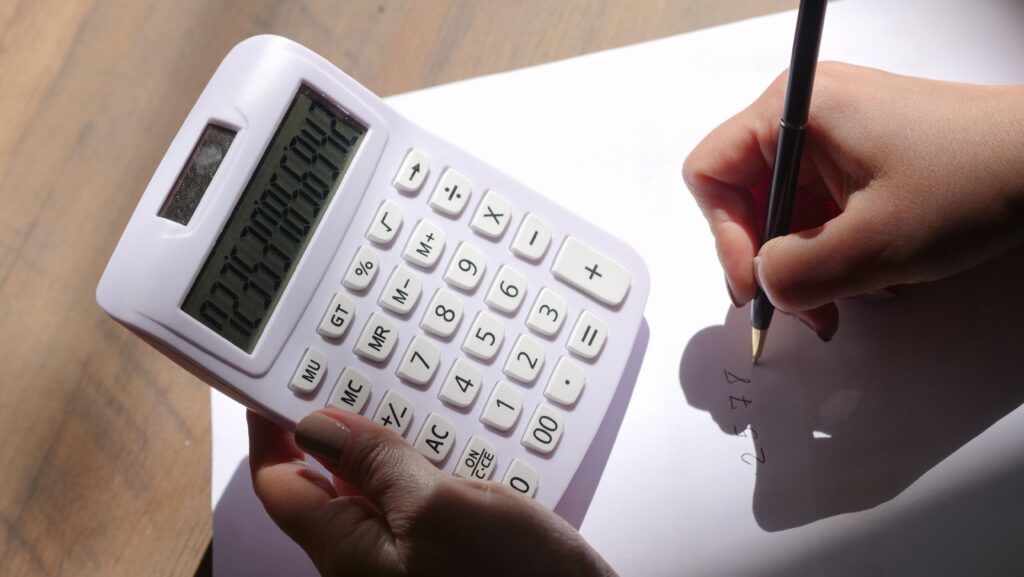
Large desktop calculators were common on office desks, especially models with oversized buttons and built-in printing tape. Computers, phones, and inexpensive handheld calculators now handle the same basic tasks without taking up nearly as much desk space.
Manual Pencil Sharpeners
The hand-crank pencil sharpener was a familiar sight in offices and classrooms, complete with the satisfying turn of the handle and a pile of shavings underneath. Most people now reach for mechanical pencils, electric sharpeners, or pens instead, so the old crank models have become more of a nostalgic desk item.
CD-ROM Drives
CD-ROM drives were a major part of home computers during the ’90s, since software, games, reference material, and other files often came on discs. Digital downloads and cloud-based services have taken over most of those jobs, and many modern laptops no longer include a disc drive at all.
Related: 17 of The Most Iconic Cars From The 90s
The Trackball Mouse
A trackball mouse had a large ball that you moved with your thumb or fingers to control the cursor. It felt futuristic at the time, but optical and wireless mice eventually became much more common because they were easier for many people to use.
Rolodexes
A Rolodex provided a physical way for people to organize business cards and contact information on their desks. Phone contacts, email address books, and digital contact lists have made the spinning card holder mostly unnecessary.
Film Cameras
Film cameras were still useful for taking office photos and personal snapshots during the ’90s, but getting the pictures meant buying film and having it developed. Digital cameras and smartphones made taking, viewing, and sharing photos much faster, leaving film cameras mainly for photography enthusiasts and people who enjoy the old-school process.
Related: 15 Things Every 90s Kid Had That Are Incredibly Valuable Now
Fax Machines
Fax machines were once a routine part of office life for sending signed documents and paperwork between locations. Email, digital file sharing, and electronic signatures have taken over most of those tasks, leaving fax machines far less common than they once were.
Answering Machines
Before voicemail became standard, answering machines recorded missed calls onto cassette tapes so people could listen to messages later. Smartphones now provide caller ID, voicemail, text messages, and other ways to keep track of missed calls without needing a separate box beside the phone.
Dial-Up Modems
The unmistakable screech of a dial-up modem was the sound of getting online in the ’90s. Waiting for a connection, then watching pages load one small piece at a time, feels almost unbelievable now that high-speed internet is common.
Floppy Disks
Floppy disks were a standard way to save and transfer documents, programs, and other files during the ’90s. Their tiny storage capacity eventually became a major problem as files got larger, and flash drives, external storage, and cloud services took their place.
Transcribers and Dictaphones
Dictaphones and transcription machines helped office workers record meetings and notes and dictate documents before digital voice tools became common. Phones can now record audio and transcribe speech with a few taps, making those bulky machines seem far less practical.
Related: 15 Things You Definitely Saw in Your Parents’ House in the ’90s
Dot Matrix Printers
Dot matrix printers were known for their loud printing noise, perforated paper, and rows of tiny dots forming each letter. Inkjet and laser printers eventually became the preferred choices for most homes and offices because they offered quieter operation and cleaner-looking documents.