
Prices have changed the way many people shop. Things that once felt like routine purchases can now take more thought, especially when several small increases show up on the same grocery or household bill.
According to the Bankrate figure cited in the original article, overall prices were 21.4% higher than they were in February 2020. Supply problems, stronger demand, higher manufacturing costs, and other economic pressures have all contributed to higher prices.
For households, the result is pretty simple: people are looking more closely at what they buy, how often they replace it, and whether there’s a cheaper way to get the same job done.
Here are some everyday household items that have become more expensive and the ways people are trying to spend less on them.
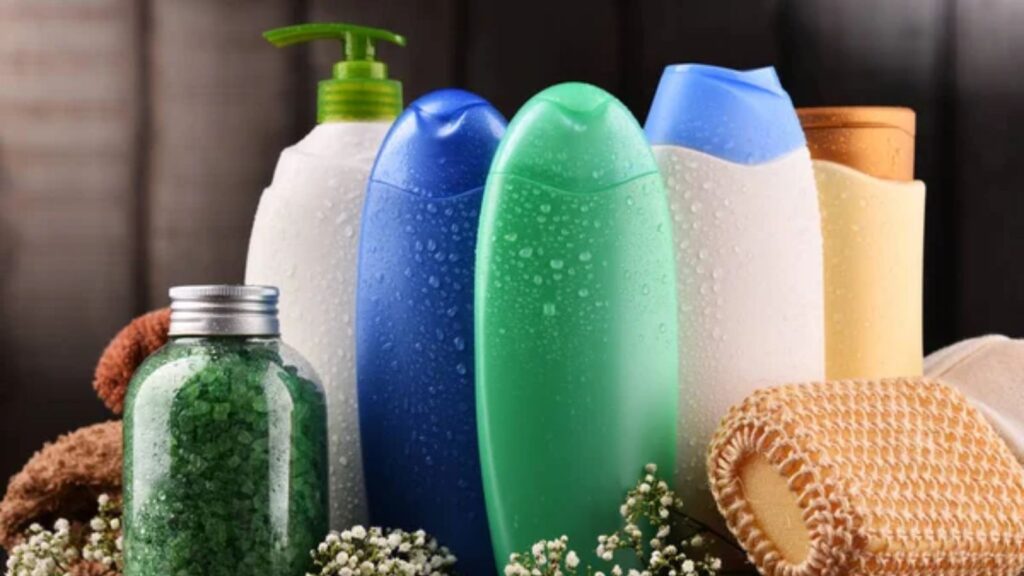
Shampoo and Conditioner
Shampoo and conditioner are easy to overlook in a household budget because each bottle seems like a relatively small purchase. Buy them for an entire family, though, and the cost can add up quickly.
Some shoppers are stretching their bottles by using less product per wash, spacing out hair washes, or buying larger containers when the price per ounce is lower. Store brands have also become a popular choice for people who don’t want to pay premium prices for familiar names.
Making homemade hair products is another option some people explore, but it’s worth being careful with DIY mixtures. Not every kitchen ingredient is suitable for hair or the scalp.
Related: 13 Things You’ll Find in Almost Every American Home
Razors and Shaving Cream
Razors are another bathroom staple that can quietly eat into a budget. Replacement cartridges can be particularly expensive, especially for people who shave frequently.
Some households have started buying larger packs during sales, switching to store brands, or using subscription discounts. Others are going back to simpler shaving tools that have inexpensive replacement blades.
Shaving cream can also be swapped for less expensive products that work well for your skin. There’s no need to keep buying the most expensive option just because it has a familiar name on the bottle.
Moisturizers and Lotions
Body lotion is another product people may go through faster than they realize. With prices creeping up, shoppers are looking for larger bottles, store brands, and sales rather than automatically replacing their usual product at full price.
Using the right amount can also make a bottle last longer. Applying lotion to slightly damp skin after bathing can help spread the product without needing to use a huge amount.
For people with sensitive skin or specific skin concerns, replacing a familiar product with something cheaper may not be a good idea. In that case, comparing prices between stores or buying during promotions can be a better way to cut the cost.
Related: 15 Everyday Things Covered in More Germs Than You Think
Window Coverings
Replacing curtains, blinds, and shades can get expensive quickly, especially if you have several windows to cover.
People are finding less expensive ways to handle privacy and light control, including basic roller shades, inexpensive curtains, removable window film, and secondhand options. Some are also keeping existing curtains longer instead of replacing them simply because they look dated.
For renters or anyone working with a tight budget, temporary shades can be a practical option while saving for a more permanent window treatment.
Furniture
Furniture is one of those purchases that can make a noticeable dent in a household budget. A new sofa, dining set, bed frame, or dresser can cost hundreds or even thousands of dollars.
That has made secondhand furniture more appealing. Thrift stores, estate sales, local resale groups, and used-furniture shops can have good pieces for much less than new ones.
Some people are also repairing what they already own. Replacing drawer pulls, painting an old table, repairing a loose chair, or adding a new cover to a worn sofa can give furniture more life without the cost of buying everything new.
Your old couch may have more life left in it than you think.
Related: 15 Things Around Your Home It’s Time to Throw Away
Light Fixtures
Replacing a light fixture used to feel like a relatively inexpensive way to change the look of a room. Depending on the fixture, prices can now make even a small lighting update more expensive than expected.
Shopping clearance sections and secondhand stores can help. Some homeowners are also focusing on the long-term cost of the bulbs that go into their fixtures.
Switching to energy-efficient LED bulbs can reduce electricity use and means you won’t have to replace bulbs as often. It may not eliminate the upfront cost of a new fixture, but it can help keep operating costs down.
Storage Bins
Storage containers are a funny example of something that can make decluttering more expensive.
You start cleaning out a closet, realize you need several bins, and suddenly the “cheap organizing project” has turned into another shopping trip. Prices for storage containers can add up fast if you’re buying several at once.
Before buying new bins, look around the house for containers you already have. Shoeboxes, sturdy shipping boxes, baskets, jars, and other containers can handle plenty of organizing jobs.
If you do need plastic bins, buying them during seasonal sales or purchasing multipacks can bring the cost down.
Small Kitchen Appliances
Kitchen gadgets have become increasingly tempting, but replacing every appliance that gets old can get expensive.
Instead of automatically buying a new appliance, some people are repairing older models, shopping for refurbished units, or looking for secondhand appliances. A multifunctional appliance can also make more sense than buying several separate gadgets that each take up cabinet space.
Before replacing something, check whether the problem is actually fixable. Sometimes a worn cord, loose part, or inexpensive replacement piece is all that stands between an older appliance and a few more years of use.
Here are some kitchen gadgets that are hard to replace and some kitchen appliances from the ’70s that wouldn’t pass health standards today.
Medical Equipment
Medical equipment can be expensive, particularly for people who need something for ongoing use rather than a short-term situation.
Depending on the item, shoppers may be able to find refurbished equipment, rental programs, or used equipment through reputable medical suppliers. Some providers also offer payment plans for more expensive purchases.
There’s a big difference between buying a used piece of furniture and buying used medical equipment, though. Items that affect health and safety should come from a trustworthy source and be appropriate for the person using them.
Saving money matters, but this is one category where price shouldn’t be the only factor.
Medications
Prescription and over-the-counter medications can take up a larger portion of a household budget than people expect. The original article cites prescription drug price increases of roughly 5% to 8%, according to ALOT Finance.
For some medications, generic versions can cost considerably less than brand-name products. Discount programs, insurance comparisons, and pharmacy pricing tools can also help lower the bill.
Never switch or stop a prescription simply to save money without talking with your doctor or pharmacist. There may be an equally suitable lower-cost option, but that decision should be made with the right medical guidance.
Cleaning Supplies
Cleaning products are another area where people are finding ways to spend less.
A household can easily accumulate separate sprays for windows, counters, bathrooms, floors, stainless steel, and other surfaces. Buying a single product that works on several appropriate surfaces can reduce the number of bottles you need.
Some people also make simple cleaners at home using ingredients they already have. Just be careful with DIY cleaning mixtures. Certain combinations can create dangerous fumes, so never mix cleaning products unless you know the ingredients are compatible.
A reusable microfiber cloth can also replace a surprising number of disposable cleaning products.
Pet Supplies
Having a pet can be expensive, and food is usually one of the biggest recurring costs.
Pet owners are comparing brands, buying larger bags when the price per pound is lower, shopping during sales, and looking for store-brand options that meet their pet’s nutritional needs.
Toys are another easy place to save. Plenty of pets are perfectly happy with a few durable toys rather than a constantly changing collection. Homemade toys can work for some animals, but they need to be made with pet safety in mind.
Food is a different matter. Homemade pet food should not replace a complete commercial diet unless it has been properly formulated with guidance from a veterinary professional.
For other ways to cut costs, check out these affordable alternatives to fast food.
Books and Magazines
Reading can be an expensive hobby if you buy every book new.
Libraries remain one of the easiest ways to read without paying retail prices. Many also offer digital books, audiobooks, magazines, and other resources through library apps.
Secondhand bookstores are another good option. Used books can cost a fraction of the original price, and some people enjoy finding older editions that are no longer available in regular stores.
For magazines, digital subscriptions, library access, and free online articles can help reduce the monthly cost.
There’s no reason your reading habit has to disappear just because new books have become more expensive. A little creativity can keep the shelves full without putting the same strain on the household budget.