During the 1970s, we had bold colors, adventurous fashion, and memorable home gadgets that promised to make life easier. Especially in the kitchens, quirky and cute appliances were fitted, not all of which stood the test of time from a safety standpoint. Design back then was about style and convenience, and not so much whether the product would pass a health inspection.
Looking in on a ’70s kitchen, you’d see a blend of beloved tools that may not be as safe as they used to be and that would raise an eyebrow or two with today’s safety inspectors. This trip down memory lane will also show you some of the iconic gadgets that have, for the most part, been put to rest for safety and health reasons.
Early Teflon Non-Stick Pans

Teflon was a huge hit in the ’70s for non-stick pans. But early Teflon-coated versions would also break down at high temperatures and release toxic fumes. These fumes caused health issues. Modern non-stick pans are safer and more stable, but with the original ones, there was a little health gamble if they overheated.
Electric Fondue Sets

Electric fondue sets were all the rage in the ’70s, and fondue was the party food of the day. But many of the units lacked modern insulation and heat regulation. The heating elements were exposed and posed a burn hazard; if left on too long, they could overheat and become a fire risk. Today’s fondue sets are built with temperature control and safety features that the old versions sorely lacked.
Toxic Varnish on Wooden Spoons

Wooden spoons are a kitchen staple, but in the 1970s, they could be given a varnish or finish to make them look shiny and new. Often, the varnishes contained toxic chemicals that would leach into food, particularly when used in hot cooking. These spoons looked great in the drawer, but they’re probably not the safest thing to use for stirring soup.
Plastic Baby Bottles With BPA

In the ’70s, plastic was considered a wonder material, and plastic baby bottles were everywhere. But most of the bottles contained bisphenol A (BPA), a chemical now known to interfere with hormones and cause developmental problems in children. Back then, health risks from this plastic ingredient were unknown, and today’s bottles are BPA-free.
Copper-Clad Cookware
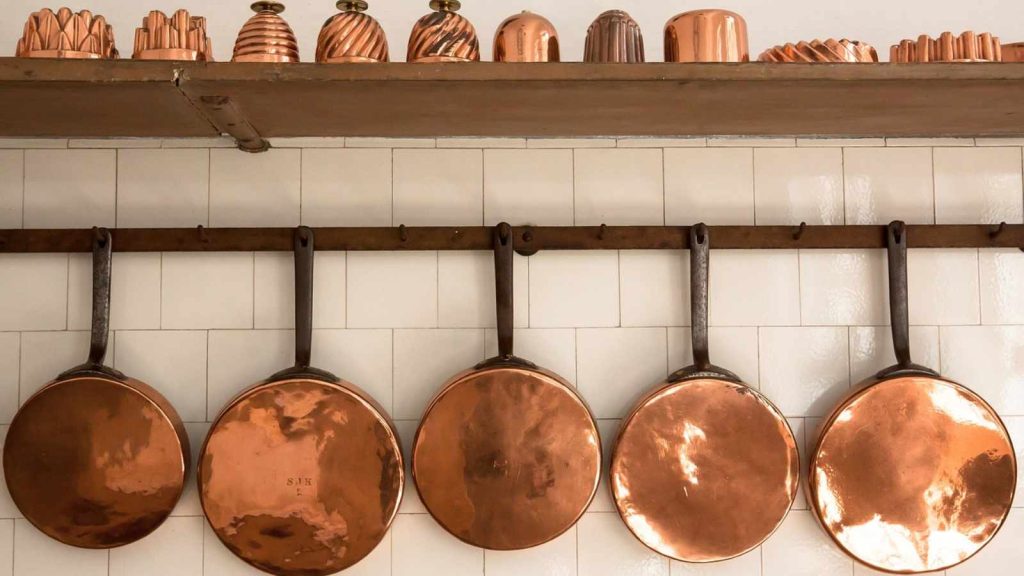
Copper cookware was beautiful, and copper was prized for being able to conduct heat. But without a proper lining, copper can leak into food, especially acidic dishes. According to ScienceDirect, copper toxicity can cause nausea, liver damage, etc. Vintage copper pots were stylish, but they didn’t come with the protective coatings found in today’s safer options.
Vintage Ice Crushers

Ice crushers were a ’70s party staple that let you make chilled cocktails at home. However, the blades on these devices were exposed, and the use of safety guards was not a priority. It could injure your fingers if you tried to scoop out crushed ice. Modern crusher designs have enclosed blades and improved safety features, whereas the old-school crushers were notorious for accidents.
Vintage Pressure Cookers

Fast, tender cooking is what pressure cookers do best, but the early models from the ’70s weren’t the safest. Others were missing secure locking mechanisms and the pressure gauges were inconsistent. It was one wrong move, and you could have had dinner — the pot’s lid — exploding across the kitchen. Back then, pressure cookers were more like ticking time bombs, and nowadays they all come with multiple safety valves.
Metal Drinking Cups With Lead
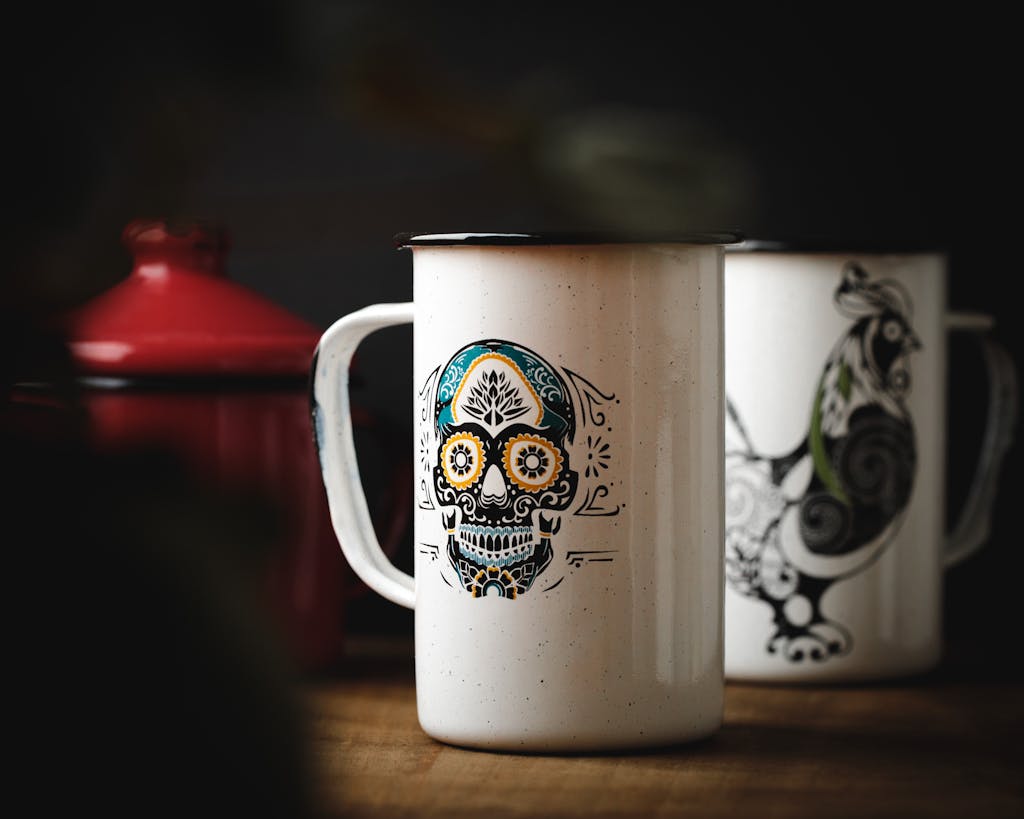
Metal cups were very popular camping gear and outdoor dining sets in the 1970s. Unfortunately, many of these cups were made of lead-based alloys, and continued use could expose you to lead. Lead poisoning is a serious health risk, and especially so for children. These days, cups are severely tested to prevent such risks, but back then, you may have been drinking something extra.
Asbestos-Lined Toasters
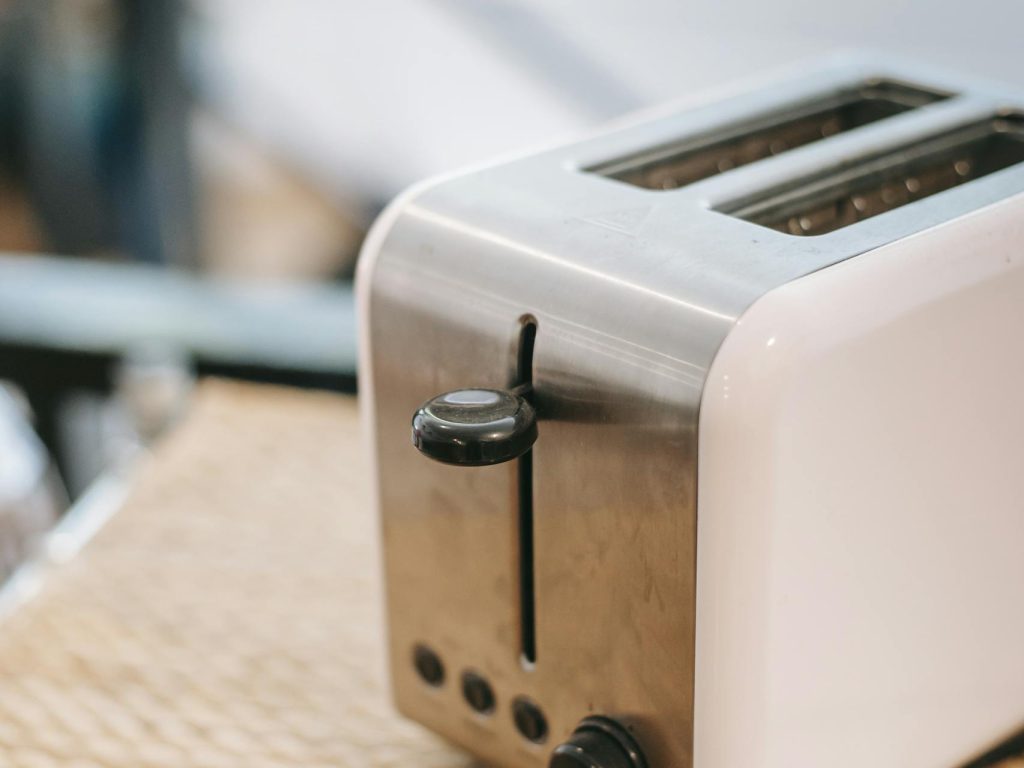
Some toasters in the 1970s were lined with asbestos to retain heat and toast bread more evenly. Asbestos exposure, however, is now known to be extremely harmful and effective at keeping breakfast warm and crispy.
According to the National Cancer Institute, asbestos fibers can cause severe lung diseases, including cancer, by inhalation. If you knew you were toasting your bread alongside a major carcinogen, it’s safe to say you wouldn’t be eating breakfast.
Electric Knives
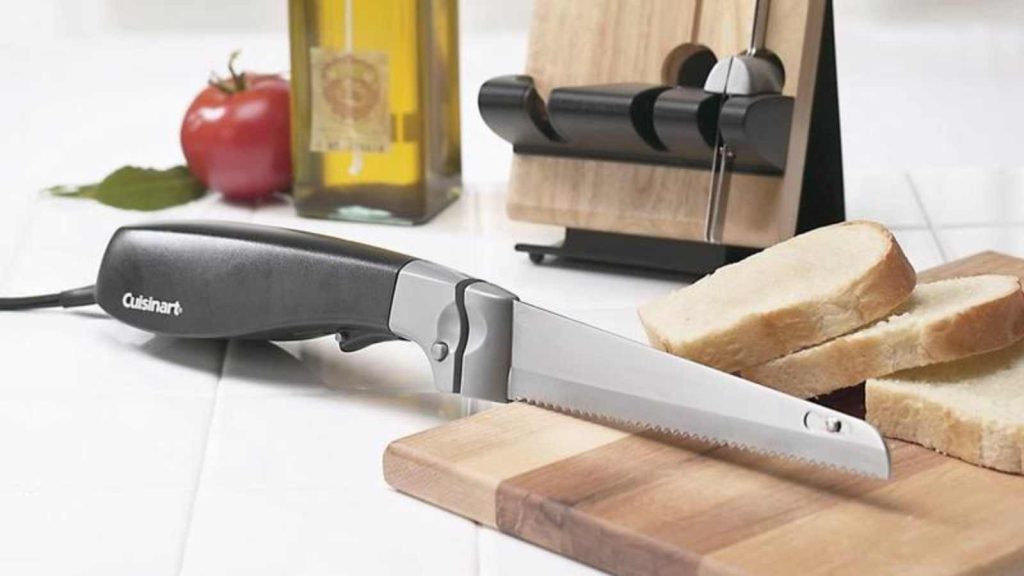
Electric knives were very popular for carving meat in the 1970’s. However, their exposed blades and flimsy handles made them a little dangerous. One accidental touch would set the blade spinning, and most didn’t even have proper safety switches. Vintage knives weren’t the safest in a busy kitchen, but modern electric knives are much safer with better handles and blade guards.
Unregulated Electric Mixers
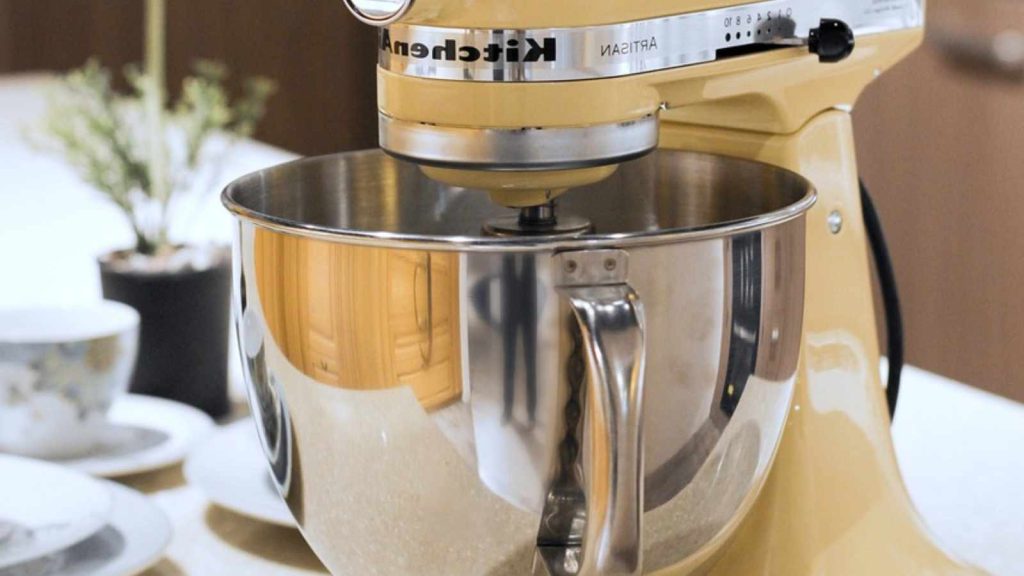
Since the 1970s, electric mixers have come a long way. Older models didn’t have much safety, and could overheat or shock users themselves if not handled carefully. These mixers were a bit of a hazard around water due to the exposed wiring and lack of grounding. Back then, baking was risky — today’s mixers are built with much stricter safety standards.
Old Coffee Percolators

Older models of classic percolators had safety issues. They had easily breakable glass tops and no auto shutoff, so they could overheat if you didn’t watch them. But that could burn you or even cause a small kitchen fire. Modern coffee makers are much more carefully designed, but the old percolators got a lot of attention.
Aluminum Cookware

In the ’70s, aluminum cookware was everywhere because it was lightweight and cheap. But aluminum has been associated with health problems, especially when you cook acidic foods, which can let the metal into your dishes.
Modern aluminum cookware is usually decorated, and although opinions on the safety of these products vary, anodized aluminum or a non-stick coating is a common method used to reduce the risk.
Electric Can Openers

At the time, electric can openers seemed really convenient, but many early models lacked the automatic shut-off and safety features found in today’s versions. It was easy to jam them, and people had to get their fingers too close to the blades to fix them.
Plastic Food Storage With PVC

In the ’70s, many plastic food storage containers contained PVC (polyvinyl chloride). According to the National Institutes of Health, when heated, PVC will release harmful chemicals. These containers weren’t necessarily built to go in the microwave, but many people did. Today’s food storage containers do not contain PVC, which is used to keep meals safe.