With nostalgia comes an excellent appreciation for things that helped shape people’s daily lives. Few household products define eras and have become staples in homes everywhere, cherished for their design, convenience, or sheer effectiveness. More than just tools, they were cultural touchstones, reflecting the times’ trends, values, and ingenuity.
But with evolution came societal standards and expectations regarding what we should use inside our homes. Advances in technology, changes in health and safety regulations, and environmental awareness have gradually made many of these loved items obsolete. What once seemed indispensable became relics, unable or too impractical to handle the demands of contemporary everyday life.
Asbestos Insulation

Many homeowners appreciated how it helped maintain comfortable indoor temperatures while reducing fire risks. Revolve Asbestos explains that asbestos fibers pose a severe health hazard, including respiratory diseases and cancer.
Strict regulations prohibit the use of asbestos, and older homes are usually subjected to costly removal processes. Today, both fiberglass and spray foam offer safer, more efficient alternatives.
Lead-Based Paint
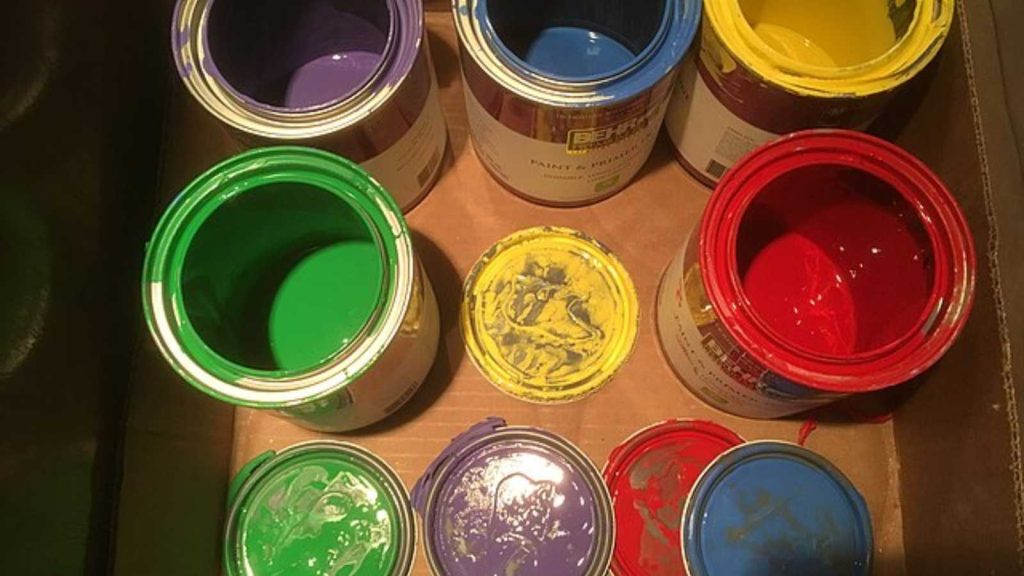
Lead-based paint was used in homes because of its robustness and brilliance of color. It doesn’t wear off that easily, so it’s more suitable for walls and woodwork. Unfortunately, prolonged exposure to lead has devastating developmental and health consequences, especially among children.
Many homes built before 1978 may still harbor traces of lead-based paint and need remediation. Today’s water-based and zero-VOC paints are safer for homeowners without sacrificing quality and color variety.
Mercury Thermometers

Indoor temperature was once measured with exacting precision using mercury thermometers. The liquid mercury expanded predictably inside, further making the readings accurate. Concerns arose over time regarding mercury exposure, as it is very toxic in case of spills and mishandling.
There is a push for its replacement with digital thermometers and glass ones filled with alcohol. Modern homes also use these nontoxic devices to monitor temperatures without affecting their accuracy.
CFC Refrigerators

The efficiency of refrigeration provided by refrigerators using CFCs has dominated kitchens for many decades. The U.S. Department of State stated that the chemicals, known as CFCs, were detrimental to the ozone layer and initiated a ban worldwide.
Refrigerators are now fitted with eco-friendly coolants to preserve indoor cooling while at the same time preserving the health of the environment. Although old models might work fine, repairs are impossible using their corresponding CFCs.
Wood-Burning Stoves Without Ventilation

Unventilated wood-burning stoves were once a standard means of heating homes in cold climates. Their simplicity and rustic charm made them famous in cabins and older houses.
However, they spew toxic smoke and fine particles that seriously compromise respiratory health. To reduce indoor air quality hazards, the latest building codes require vented stoves or other clean-burning alternatives, such as pellet stoves.
Popcorn Ceilings

Popcorn ceilings were a popular design trend in mid-century homes, adding texture and hiding imperfections. DCM Environmental Testing Co. highlights that popcorn ceilings contain asbestos, making them hazardous if disturbed.
Most homeowners update their popcorn ceilings and either remove or cover them while updating their interiors. Modern textured or smooth ceilings have become much safer and trendier. Professional abatement ensures these antiquated materials no longer pose risks during home renovations.
Plastic Microbead Cleaning Products

Plastic microbeads were a revolutionary way to scrub sinks and counters in cleaning products. However, they pollute waterways and harm marine ecosystems while making their way up the food chain.
Governments banned them, and companies started looking for biodegradable replacements. Scrubbing agents use walnut shells and bamboo fibers to do the same job without using plastic microbeads. Going green can also help preserve household surfaces and the environment.
Dioxin-Containing Pesticides

Pesticides were generally applied to gardens for weed and pest control. They were effective, but poisonous chemicals in the soil introduced risks of cancer and environmental damage.
Current pesticide regulations emphasize safer formulations of pesticides that biodegrade instead of persisting in the ecosystem. Most gardeners use organic or integrated pest management practices for their lawns and plants. The effectiveness is well balanced with the methods of environmental responsibility.
Non-Grounded Electrical Outlets

Most older homes had non-grounded outlets designed to provide primary access to electricity. These outlets could be hazardous without grounding, causing electric shock and fire hazards. Modern building codes require grounded outlets for increased safety and compatibility with modern appliances.
Many homeowners replace these outdated outlets during renovations for improved performance and peace of mind. GFCIs further improve protection in wet areas, like kitchens and bathrooms.
Flame-Retardant Furniture with PBDEs
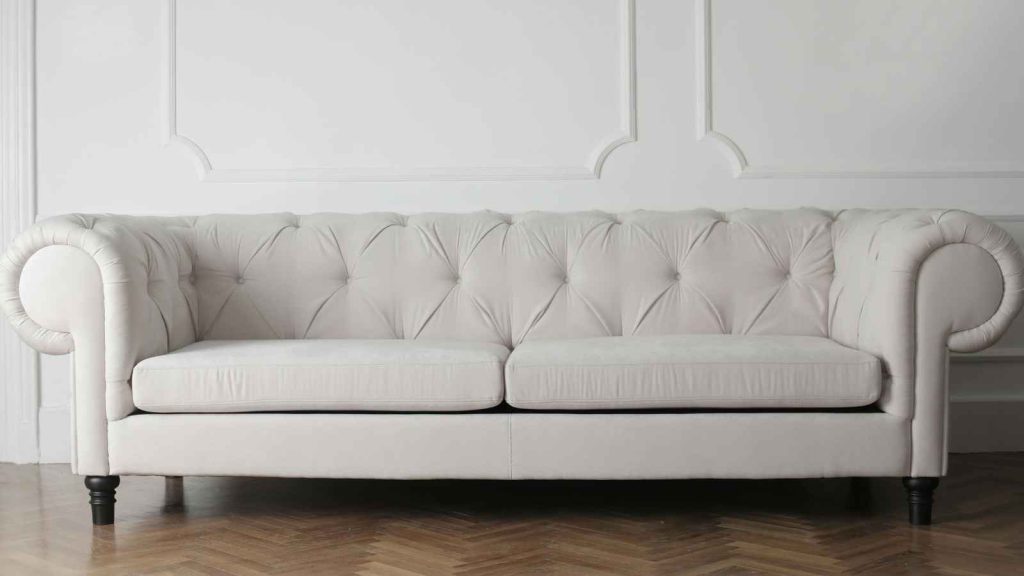
Flame-retardant chemicals, such as PBDEs, were incorporated into furniture to provide fire safety. Collaborative for Health & Environment notes that these chemicals accumulate in the environment and human bodies and pose health risks.
Limits on using PBDEs have led manufacturers to adopt safer flame-resistant materials. New furniture meets safety standards without releasing harmful chemicals into homes. Many consumers seek out labels that indicate these healthier practices have been followed.
Carpet with Formaldehyde Adhesives

Formaldehyde adhesives used in carpeting provided the most incredible bonding. Unfortunately, these adhesives released volatile organic compounds (VOCs) into the home atmosphere, which affected indoor air quality.
After prolonged exposure, many experienced headaches and irritation of the respiratory system. Modern carpets utilize nontoxic adhesives, creating a healthy home atmosphere. Low-VOC or natural fiber carpets are other viable alternatives that would attract health-conscious homeowners.
Vinyl Flooring Containing Phthalates

Vinyl flooring was popular because it was inexpensive and waterproof, but earlier types often contained phthalates. According to the Ecology Center, these chemicals were linked to hormonal disruptions and developmental problems, particularly in children.
Modern regulations ensure vinyl flooring is made to stricter health and safety standards. Phthalate-free options provide the same durability without compromising indoor air quality.
Incandescent Light Bulbs

Incandescent bulbs were a household staple because of their warm, inviting glow and affordability. According to the United Nations Arena, they consumed significant energy, resulting in very little light (2- 3%), with a consequent wastage as heat, and had a relatively short lifespan.
Governments worldwide began phasing them out in favor of energy-efficient options like LED and CFL bulbs. These modern alternatives reduce electricity usage and last much longer, helping households save money. Even today’s LED technology emulates the soft light of an incandescent bulb in an environmentally friendly way.
Non-Safety Glass Windows

Before the invention of safety glass, windows would shatter into hazardous shards and cause serious injury. Replacing regular glass with laminated and tempered glass has made a considerable difference, breaking it into non-threatening pieces. Such developments make for safer homes for families, but still admit plenty of sunlight.
Older homes often modernize their windows to meet current building codes and to optimize energy efficiency. Today, window designs integrate safety with insulation, thus cutting utility bills for the year.
PVC Pipes with Lead Stabilizers

Plumbing systems used to be made with PVC pipes with lead stabilizers. However, lead contamination from these pipes raised severe health concerns, particularly in drinking water supplies.
Plumbing materials like PEX and copper offer safer and more reliable alternatives. House inspections frequently identify outdated piping systems that need to be replaced during renovations.
Heavy Metal-Based Garden Fertilizers

Fertilizers containing heavy metals such as arsenic and cadmium enhanced plant growth but contaminated the soil over time. Prolonged use introduced toxins into crops, groundwater, and nearby ecosystems.
Modern fertilizers focus on organic or mineral-based solutions that feed plants without harmful residues. Gardeners also practice composting and other sustainable methods to enrich their soil safely. These changes create a healthier outdoor environment for families and wildlife.
Single-Pane Windows

Single-pane windows were once the standard, but today, they are inefficient in modern homes. They provide little resistance to heat loss during winter and heat gain during summer, thereby increasing energy bills.
Double or triple-pane windows with insulating gas layers offer superior energy efficiency and soundproofing. Homeowners often replace single-pane windows to enhance comfort and reduce environmental impact. Energy-efficient glazing options provide long-term savings and improved indoor climate control.