Washing your hands is one of the best ways to reduce the spread of germs, but it only solves part of the problem. Throughout the day, you touch dozens of surfaces that many other people have handled before you. Some of them are cleaned regularly, while others are rarely wiped down, allowing bacteria and other germs to build up over time.
You don’t need to avoid these everyday items, but knowing where germs tend to collect can help you make smarter cleaning habits and reduce the chances of spreading them around your home. Here are 15 of the germiest things you probably touch every day.
Door Handles
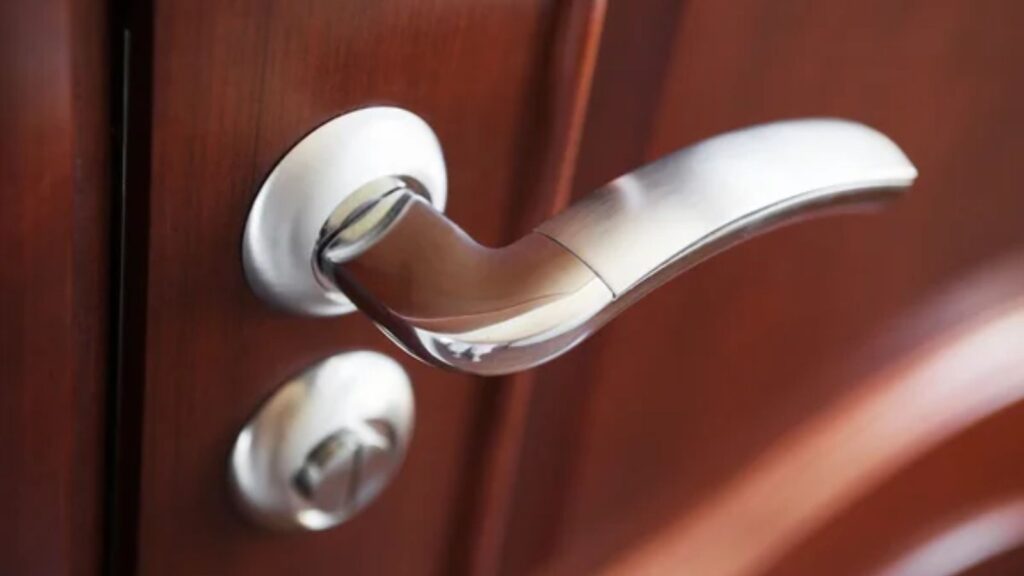
Door handles are among the most frequently touched surfaces in homes, offices, schools, and public buildings. Every person who opens a door leaves behind germs from their hands.
Wiping handles with a disinfectant every few days, or more often in busy households, helps reduce the buildup of bacteria and viruses.
Related: 17 Things Minimalists Never Keep Around the House
Keyboards
Your computer keyboard collects far more than fingerprints. Dust, crumbs, skin cells, and oils from your hands settle between the keys, creating a place where bacteria can collect.
Turn the keyboard upside down occasionally to remove loose debris, then clean the keys with compressed air and disinfectant wipes made for electronics.
Light Switches
Light switches are touched countless times each day but are easy to overlook during routine cleaning.
Adding them to your regular cleaning routine only takes a few seconds and helps remove germs that build up from repeated contact.
Refrigerator Handles
You probably grab your refrigerator handle several times a day, often while preparing meals. After handling raw meat, fresh produce, or grocery bags, it’s easy to transfer bacteria to the handle without realizing it.
Wipe refrigerator handles regularly, especially after cooking, to help keep your kitchen cleaner.
Related: 17 Things Millennials Stopped Buying—and They’re Disappearing Fast
Bathroom Faucets
Bathroom faucets are touched before and after washing your hands, making them a common place for germs to collect.
Cleaning faucet handles with a disinfectant helps reduce bacteria, especially in bathrooms shared by several people.
Remote Controls
Remote controls pass from one person to another but often go months without being cleaned.
A quick wipe with a disinfecting cloth every week removes fingerprints, oils, and germs that collect from daily use.
Related: 13 Things That Make You More Attractive Without Changing Your Looks
Shopping Cart Handles
Hundreds of shoppers may use the same shopping cart in a single week. Cart handles come into contact with hands, food packaging, children, and personal items throughout the day.
Many grocery stores provide sanitizing wipes near the entrance. Taking a few seconds to wipe the handle before shopping is a simple habit that can help reduce exposure to germs.
Wallets
Your wallet travels almost everywhere with you. It sits on store counters, restaurant tables, desks, and other public surfaces while being handled throughout the day.
Cleaning the outside of your wallet occasionally with a disinfecting wipe, if the material allows it, helps remove dirt and bacteria that build up over time.
ATM Keypads
ATM buttons are touched by countless people every day, making them another high-contact surface.
After using an ATM, avoid touching your face until you’ve cleaned your hands or used hand sanitizer.
Gas Pump Handles
Gas pump handles are handled by hundreds of drivers each day and are rarely disinfected between uses.
Keeping a small bottle of hand sanitizer in your car makes it easy to clean your hands before driving away.
Kitchen Sponges
Kitchen sponges spend most of their time damp, creating an ideal place for bacteria to multiply. Ironically, the tool you use for cleaning can become one of the dirtiest items in your kitchen.
Replace sponges regularly, or sanitize them according to the manufacturer’s instructions to reduce bacterial growth.
Elevator Buttons
Elevator buttons are pressed throughout the day by people coming and going, making them another surface that collects plenty of germs.
If possible, press the button with your knuckle or use a tissue, then clean your hands afterward.
Toothbrush Holders
Toothbrush holders collect water, toothpaste residue, and moisture, creating conditions where mold and bacteria can grow.
Wash the holder regularly with hot, soapy water or place it in the dishwasher if it’s dishwasher-safe.
Salt and Pepper Shakers
Salt and pepper shakers pass from person to person during meals, especially in restaurants and shared kitchens. They are handled frequently but often cleaned far less often than dishes or utensils.
Giving them a quick wipe now and then helps keep germs from building up.
Handrails
Handrails on staircases, escalators, buses, trains, and other public places are touched by hundreds of people every day.
Using hand sanitizer after riding public transportation or touching shared railings is an easy way to reduce the spread of germs.
You can’t avoid every germ you come across, and most everyday exposure isn’t harmful for healthy people. Still, cleaning frequently touched items and washing your hands regularly can go a long way toward reducing the spread of bacteria and viruses in your home and while you’re out and about.