Childhood looked very different in the 1960s. Parents worried less, rules were looser, and kids had far more freedom than most children do now. They spent entire days outside, built their own entertainment, and often took risks that would make many parents uncomfortable today.
Looking back, some of these memories bring a smile, while others are enough to make you wonder how anyone escaped without serious injuries. Here are 19 things kids regularly did in the ’60s that would be hard to picture today.
Riding Bicycles Without Helmets
A bike, a neighborhood full of friends, and a whole afternoon to explore were all many kids needed. Helmets weren’t part of the routine, and few families even owned one. Scraped knees, bruised elbows, and the occasional trip over the handlebars were simply accepted as part of learning to ride.
Today, wearing a helmet is standard practice, backed by decades of research showing how much it reduces the risk of head injuries. Back then, kids climbed back on the bike and kept pedaling.
Playing With Hazardous Toys
Many toys sold during the 1960s wouldn’t pass today’s safety tests. Lawn darts, metal cap guns, chemistry sets with real chemicals, and toy ovens that became extremely hot were common birthday gifts.
Children loved them because they felt exciting and grown-up. After years of injuries and accidents, many of these products disappeared from store shelves or were heavily redesigned to make them safer.
Drinking From the Garden Hose
After spending hours outside on a hot afternoon, kids didn’t stop what they were doing to go inside for water. They grabbed the nearest garden hose, let it run for a few seconds, and took a long drink.
Few people thought about the materials inside the hose or whether the water was safe. While many people still laugh about doing this as kids, most families now reach for bottled or filtered drinking water instead.
Staying Outside Until the Streetlights Came On
Parents often told their children one simple rule: be home before dark. Once breakfast was over, kids disappeared for hours, riding bikes, building forts, or playing games with friends all over the neighborhood.
Without cell phones or GPS tracking, parents depended on neighbors to keep an eye on things. Children gained independence, though they were also left to handle plenty of situations on their own.
Riding in the Back of Pickup Trucks
A ride in the open bed of a pickup truck felt exciting, especially on warm summer evenings or trips to local fairs. Kids sat on blankets, leaned against the sides, and enjoyed the breeze without much thought about safety.
Today, most states have laws limiting or banning the practice because passengers can easily be thrown from the vehicle during sudden stops or collisions.
Eating Candy Cigarettes
Candy cigarettes were one of the stranger treats sold to children. Some even came in boxes that closely resembled real cigarette packs, making kids feel like they were copying the adults around them.
As smoking became linked to serious health problems, products that made tobacco look fun for children slowly disappeared from most stores.
Hitchhiking
Teenagers often stuck out a thumb and waited for someone to offer a ride. For many, hitchhiking was a cheap way to reach the next town, visit friends, or head to the beach.
Stories of crimes involving hitchhikers changed public opinion over time. Most parents today would never encourage their children to travel that way.
Building Treehouses Without Adult Help
A pile of scrap lumber, a handful of nails, and a borrowed hammer were enough to keep kids busy for an entire weekend. Treehouses rarely came with blueprints, safety rails, or inspections.
Some structures barely stayed together, yet children proudly called them their headquarters. Modern treehouses are far more likely to involve adults, proper tools, and careful planning.
Walking to School Alone
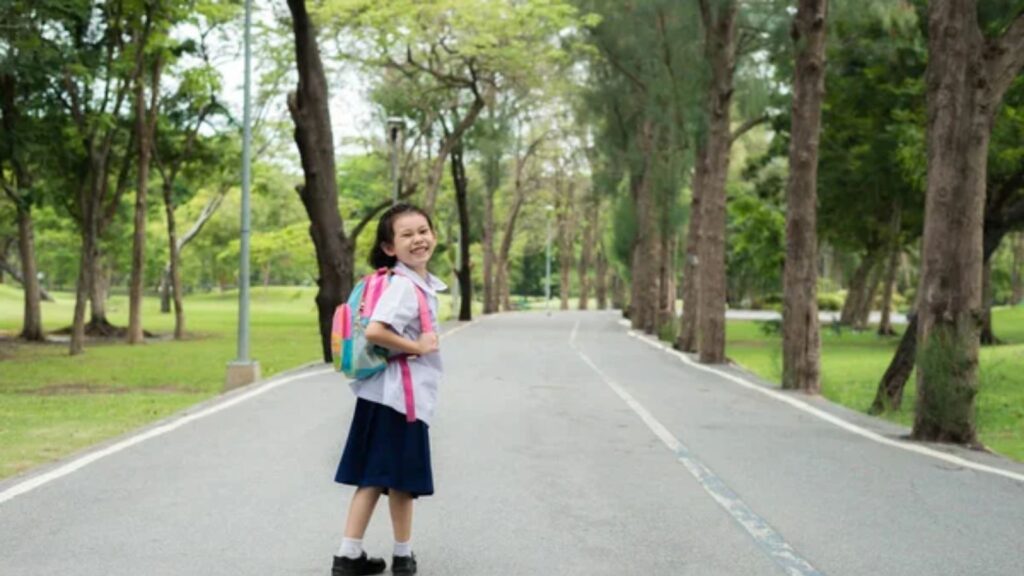
Elementary school students often walked several blocks to school by themselves or with a group of neighborhood kids. Parents trusted them to cross streets, follow familiar routes, and get there safely.
While some children still walk today, many are driven or accompanied by an adult because families have greater concerns about traffic and personal safety.
Climbing Anything They Could Find
Tall trees, rooftops, fences, and unfinished buildings all became climbing challenges. The higher the view, the bigger the bragging rights.
There were no padded surfaces waiting below if someone slipped. Today’s playgrounds are built with safer equipment and softer landing areas to reduce injuries.
Playing With Firecrackers
Many children lit firecrackers during holidays or even on ordinary weekends. Adult supervision wasn’t always part of the plan, and burned fingers were fairly common.
Rules surrounding fireworks have become much stricter over the years, and many families now enjoy organized public displays instead of backyard shows.
Riding Without Seat Belts
Seat belts weren’t always included in cars, and many people ignored them even after they became available. Kids bounced around the back seat, sat in the front at very young ages, or squeezed several children into one seat.
Modern vehicle safety laws have changed those habits completely. Seat belts and child safety seats have become standard for every trip.
Exploring Abandoned Buildings
Old factories, empty houses, and unfinished construction sites felt like giant adventure playgrounds. Kids searched every room, climbed staircases, and invented stories about the places they found.
Many of those buildings contained broken glass, unstable floors, and other hidden dangers. Today, they’re usually fenced off or monitored to keep people out.
Playing With BB Guns
For many children, receiving a BB gun felt like a major milestone. They practiced target shooting in fields or held pretend battles with friends, often wearing little or no protective gear.
Parents today tend to be much more cautious because eye injuries and other accidents were common with these guns.
Driving Before They Were Old Enough
On farms and in rural communities, children often learned to drive years before they could qualify for a license. They drove tractors, pickup trucks, or family cars across private land and quiet country roads.
Current licensing rules require classroom instruction, supervised driving, and testing before teenagers can legally drive on public roads.
Turning Neighborhood Streets Into Playgrounds
Before traffic filled residential streets, children gathered outside to play stickball, hopscotch, kickball, tag, and countless other games. Cars were less frequent, and drivers often slowed down when they saw kids playing.
Many neighborhoods are much busier today, so families are more likely to head to parks, playgrounds, or sports fields.
Sneaking Raw Cookie Dough
Few children could resist licking the spoon or stealing a handful of cookie dough before it went into the oven. At the time, few people worried about raw eggs or uncooked flour.
Food safety advice has changed over the years, and many parents now discourage eating raw dough unless it’s made with ingredients that are safe to eat uncooked.
Spending Hours in the Sun Without Sunscreen
Summer meant long days at the beach, swimming pools, or baseball fields. Sunburns were almost treated like part of the season, and sunscreen wasn’t part of many family outings.
Doctors now know far more about the long-term effects of ultraviolet exposure, leading many families to make sunscreen, hats, and shade part of outdoor activities.
Playing With Mercury
Some science kits sold during the 1960s included small amounts of liquid mercury. Children rolled the shiny metal across tables or held it in their hands, unaware that it was highly toxic.
Mercury has since been removed from children’s science kits because prolonged exposure can damage the brain and nervous system. Today’s educational kits focus on hands-on experiments that avoid hazardous materials.