
It is not unusual for Americans to find themselves the center of a storm of myths and misconceptions, some wildly exaggerated, and some based only very loosely on fact. These are the stereotypes that fill up the plot of entertaining tales about America, but they aren’t necessarily the reality of American life.
Looking into some of these urban legends, this post debunks 20 of the most persistent myths about American culture.
Are All Americans Loud?

The most popular stereotype is that Americans are all loud and extroverted. Many Americans indeed value expressiveness. However, not everyone is like this.
Data from Myers-Briggs reveals that approximately 56 percent of the US population favors introversion, while only 44 percent, less than half, embrace an extraverted lifestyle. The truth is that personality traits are actually different from person to person.
Cultural Differences in Communication

Every culture has its virtues. In Finland and Japan, where quietness is a virtue, American enthusiasm can seem overwhelming. But it doesn’t mean that every American is a naturally loud person, it’s more like a cultural norm around communication.
Interestingly, studies show that Americans are more likely to engage in casual conversation with strangers (and that can be misinterpreted as being loud).
Regional Variations
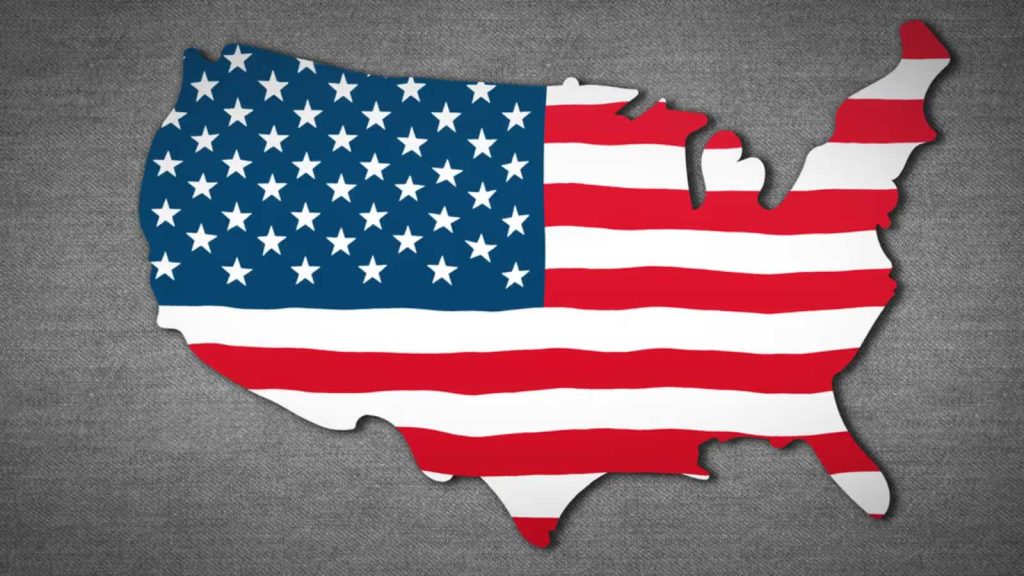
It is also necessary to take into account differences at a regional level within the United States. Typically, New Yorkers are faster and more assertive than their Southern counterparts, who are normally more relaxed and reserved.
This myth of the `loud American` therefore renders a varied population with its rich regional characteristics into overly simplified categories.
The Wealthy American Fantasy

There is a global stereotype that all Americans are wealthy. Though Americans have one of the highest average incomes in the world, it isn’t spread evenly.
The U.S. Census Bureau states that around 11.4 percent of Americans lived below the poverty line in 2020. Nearly half of American households say they live paycheck to paycheck, not in wealth, but in the strain.
Understanding the Middle Class

Across the country, healthcare costs and higher education are threatening the American middle class. The Fed’s 2022 Economic Well-Being of U.S. Households survey reveals that approximately 37% of Americans do not have sufficient funds to cover a $400 emergency expense.
These statistics bust the stereotype that people in the U.S. are rich and show that people are in economic struggle.
Economic Diversity Across States

Economically, one state can vary drastically from the next. California and New York are high-cost-of-living states with high incomes, but Mississippi and West Virginia have lower incomes.
Such is the complexity of the American economic landscape that this diversity challenges the idea of American affluence as conventional wisdom.
Small Talk and Stranger Conversations

Engaging in conversation with strangers is a well-known American pastime, but it can be confusing for foreigners.
This is a behavior derived from a culture characterised by openness and friendliness. But Americans don’t lack depth, even if they tend to fancy small talk.
Open Discussions on Personal Matters

Another cultural quirk, you might say, is discussing personal topics like health in public. This is due to the societal norm that is open to transparency.
These conversations aren’t all about oversharing; many Americans see them as an opportunity to share experiences and tap into the wisdom of others.
Admitting Ignorance

Unlike the global perception of US arrogance, many Americans will almost openly admit when they don’t know something, and almost let other people know they are willing to ask questions on that topic.
The thing about this mindset is that it creates a culture of learning and curiosity, blowing away the myth of too much pride.
Car Dependency and Suburban Living

There’s an oft-quoted idea that we’re a nation of non-walkers and that we’ll take a car for a few blocks around. Many Americans indeed live in car-dependent suburbs, but New York City and San Francisco also have excellent public transportation systems.
Over 10 billion public transit trips occur annually in the U.S., says the American Public Transportation Association.
The Myth of Urban America
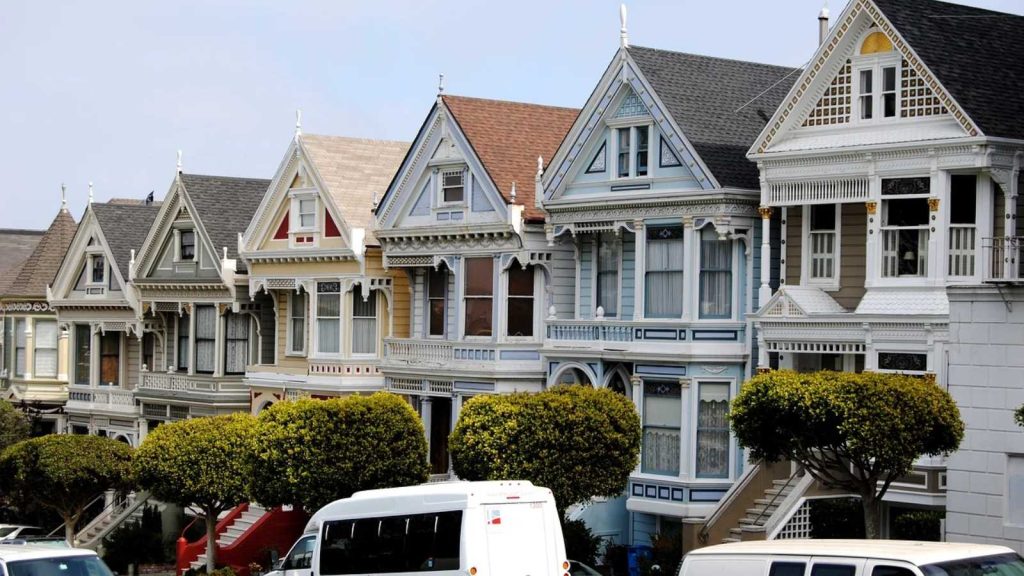
Outside of the U.S., many people think the population lives mainly in urban settings, but a substantial amount of this population lives in suburban areas or rural regions.
In 2020, 46 million people lived in non-metropolitan counties defined by the Office of Management and Budget (OMB), representing 13.8 percent of the U.S. population. Additionally, rural areas, as defined by the Census, included 66.3 million residents, accounting for 20 percent of the total population. Generally, though, this rural lifestyle goes unnoticed in the American narrative, where global narratives tend to concentrate on American cities.
The Reality of “Everything’s Bigger”

It’s not without reason that everything in America is supposed to be bigger: the cars, houses, and portions of food. But this equation is being revised.
Portions have gotten smaller in many restaurants as a function of health-conscious movements. Also, a surge of Americans exploring minimalism and the sustainability movement is what the tiny house movement reflects.
The Myth of American Exceptionalism

American exceptionalism, the idea that the U.S. is somehow set apart and has an exceptional role in world history, is a core part of a national story.
But detractors say the mindset can warp your view of America’s global responsibilities. The belief of American superiority fails to consider our problems and the contributions of other countries.
A Nation of Varied Beliefs

Another national identity myth is that of America as a Christian nation. The U.S. is home to many very different religious and cultural beliefs, although Christianity is the predominant religion.
Some 29% of Americans also describe themselves as religiously unaffiliated, representing a move toward pluralism, Pew Research Center reports.
Independence and Privacy

Americans are, stereotypically, quite independent, a trait that is encouraged from a very young age. Americans cherish personal space and privacy, but they are not isolated; they also have a strong family system and a strong community system.
Privacy Standards

To the outsider, it could be puzzling to understand how Americans perceive privacy standards regarding open bathroom stalls and talking about personal things in public.
These are cultural norms of practices that aren’t meant to be limited by so-called ‘privacy,‘ but aim for efficiency and openness.
Reliance on Personal Transportation

Americans like private cars, another mark of their unique culture. However, reliance on personal transportation has created environmental problems and an interest among policymakers in alternative, sustainable transportation. Cycling and public transit initiatives are taking root all over the country.
The Founding Fathers and Religious Freedom
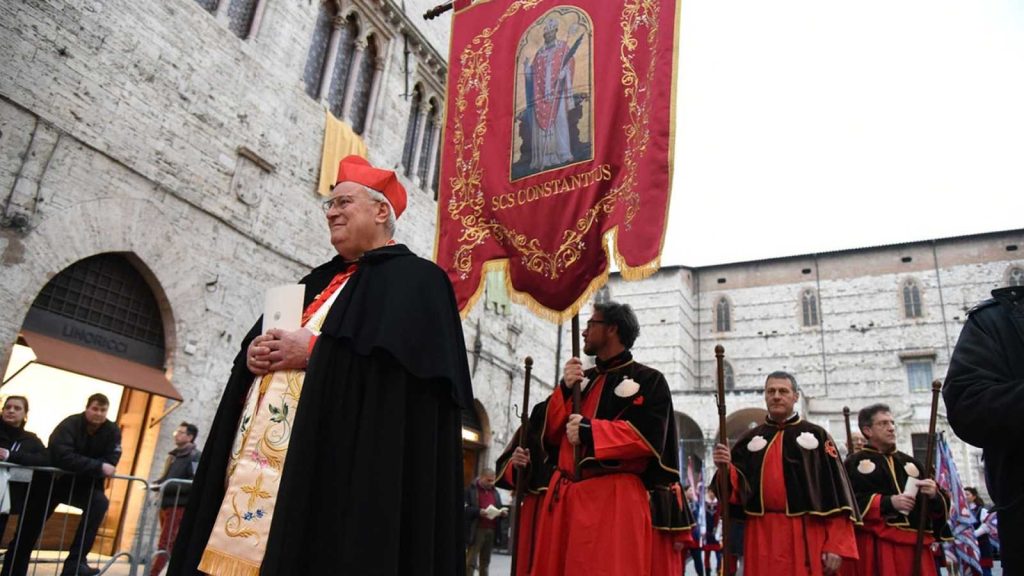
The narrative of the Pilgrims seeking religious freedom oversimplifies the complex motivations behind their migration. While religious freedom had a part to play, other considerations, and especially economic opportunities, were at work.
Records of history showed that the pilgrims first looked for sanctuary in the Netherlands before they came to the New World.
Independence Day Myths

Many think that the Declaration of Independence took place on July 4th. The reality is that July 2nd, 1776, was the date that the Continental Congress voted for independence.
Two days later, the Declaration of Independence was adopted, and its signing went through August.
The Role of America in World War II

It’s a myth that America was the only victor of World War II, one that ignores the role of other Allied forces.
On the Eastern Front, most of the war was fought by the Soviet Union and featured massive losses that totaled up to resources that crippled Nazi Germany.
The problem with these myths about Americans is that they’re entertaining, but they also tend to muddy the waters around the subtleties and complexities of actual American culture and history. Learning these myths and the realities about them provides a fuller picture of the United States. Firmly looking at these misconceptions helps us appreciate the complexity and diversity that make up American society.
Before you embark on a journey to the country of your choice, remember the backstory of all myths and never forget that some things said about the country to show off, they may not be the truth after all.