

History is full of fascinating tales, but some events are so outlandish they challenge our understanding of the past. These twelve unbelievable historical events, ranging from bizarre plagues to monumental blunders, will make you question reality and give you a fresh perspective on history.
The Dancing Plague of 1518
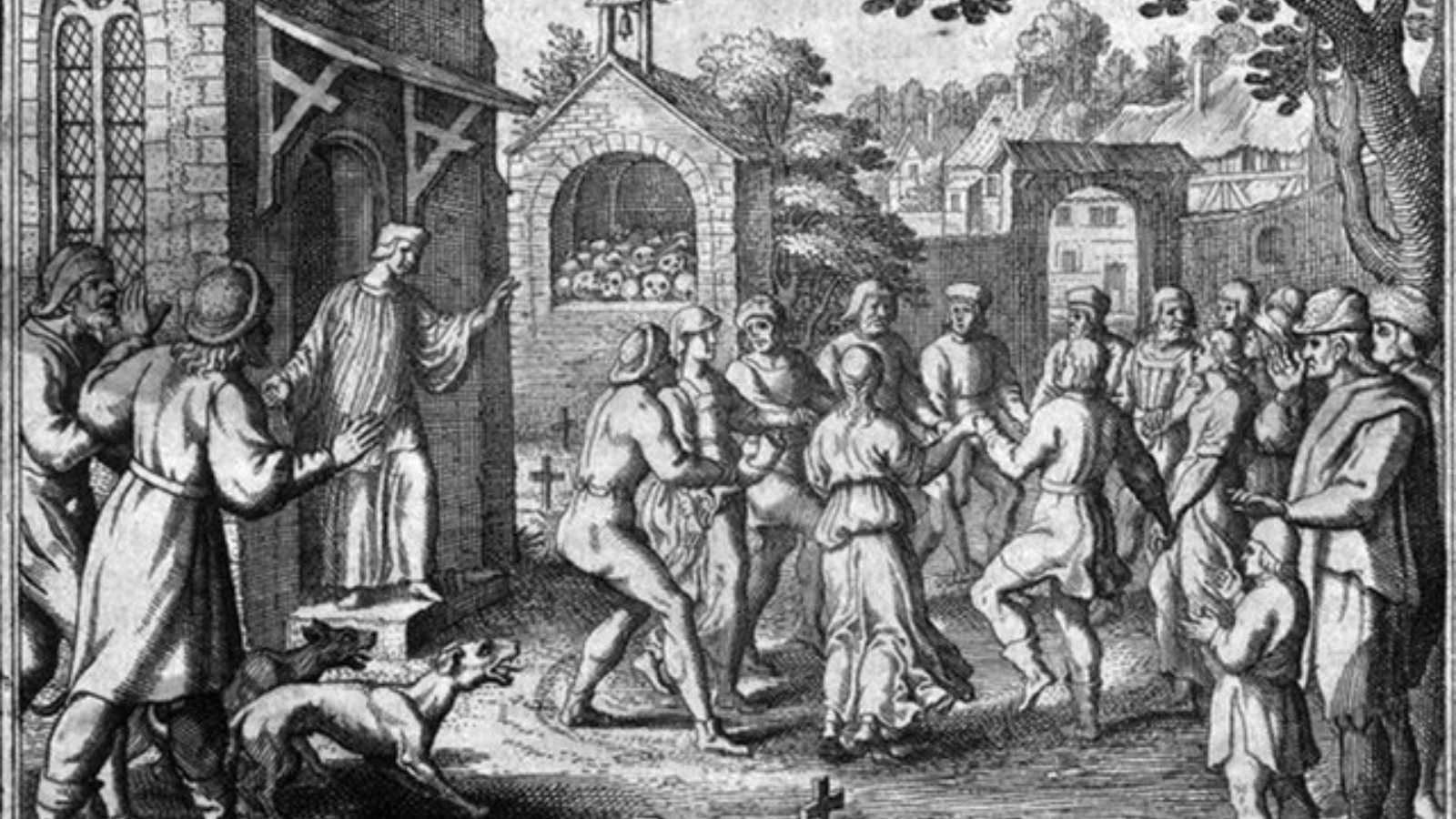
Imagine a scene where hundreds of people dance uncontrollably for days, unable to stop until they collapse from exhaustion. This isn’t a fictional tale—this was the Dancing Plague of 1518 in Strasbourg, France. The phenomenon began with a woman named Frau Troffea, who danced for six days straight.
Soon, others joined her, and what started as a curious spectacle turned into a public health crisis. Theories about the cause range from ergot poisoning (a hallucinogenic mold) to mass hysteria. Despite various attempts to stop it, including bringing musicians to play for the dancers, the plague lasted over a month.
The Great Molasses Flood of 1919
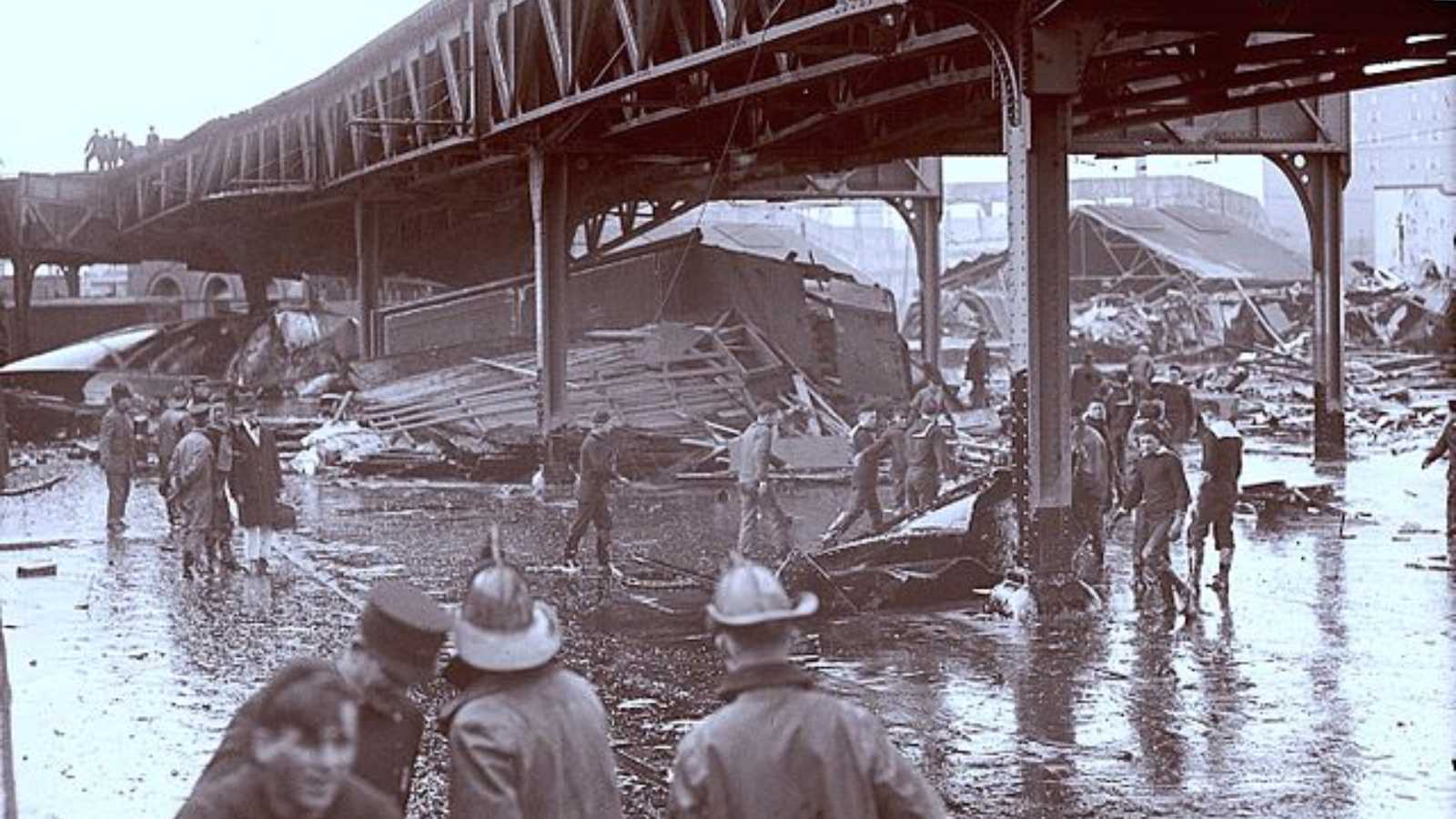
On January 15, 1919, Boston experienced one of the most peculiar disasters in history—the Great Molasses Flood. A massive storage tank filled with 2.3 million gallons of molasses burst, releasing a sticky wave that roared through the streets at 35 miles per hour. Buildings were crushed, horses were trapped, and 21 people lost their lives, with around 150 more injured.
The cleanup was arduous, and the sweet scent of molasses lingered in the area for decades. This disaster serves as a reminder of the dangers lurking in everyday substances.
The Erfurt Latrine Disaster of 1184

In medieval Germany, noblemen gathered in St. Peter’s Church, Erfurt, to settle a dispute. Suddenly, the wooden floor gave way, and dozens of men plunged into a cesspool below.
Caught in a mire of human waste, 60 of them drowned in what became known as the Erfurt Latrine Disaster. This catastrophic event not only highlights the frailty of medieval architecture but also serves as a grim reminder of the sanitary conditions of the time.
The Tanganyika Laughter Epidemic of 1962

In 1962, a laughter epidemic broke out in a girls’ school in Tanganyika (now Tanzania). It started with just three students and quickly spread to over 1,000 people in the region. The laughter was uncontrollable and lasted for hours to weeks, causing schools to close and villages to be quarantined.
Researchers believe it was a case of mass psychogenic illness triggered by stress and anxiety. The Tanganyika Laughter Epidemic remains one of history’s most bizarre instances of collective behavior.
The Battle of Karánsebes of 1788
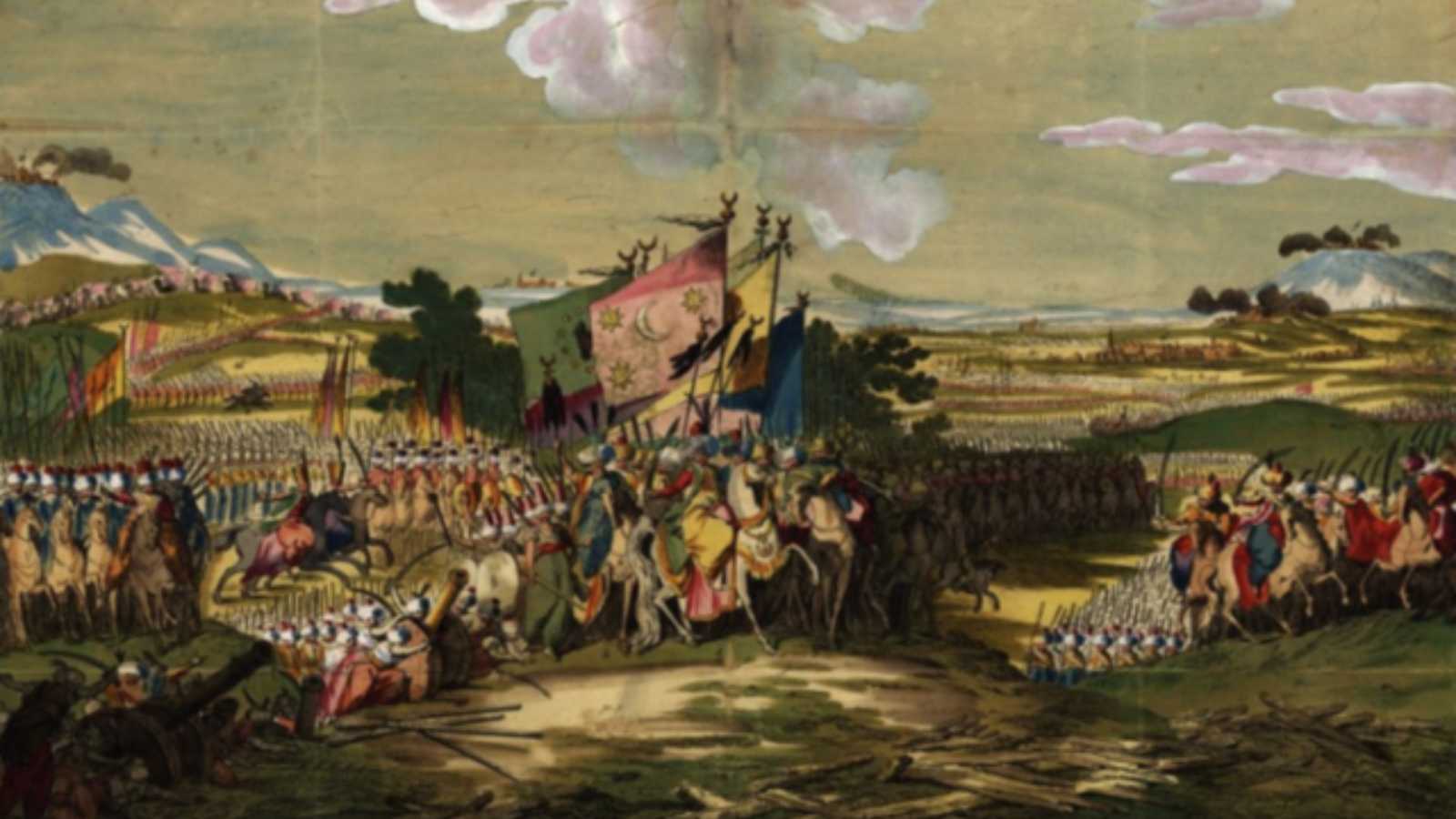
During the Austro-Turkish War, Austrian forces accidentally engaged in battle—with themselves. On a fateful night near Karánsebes (in present-day Romania), a group of scouts bought alcohol from local traders and began drinking.
A brawl broke out among the drunk soldiers, and in the confusion, someone shouted that the Turks were attacking. Panic ensued, and the Austrian troops started firing at each other, resulting in hundreds of casualties. This self-inflicted disaster is now infamously known as the Battle of Karánsebes.
The Miracle of the Sun in 1917
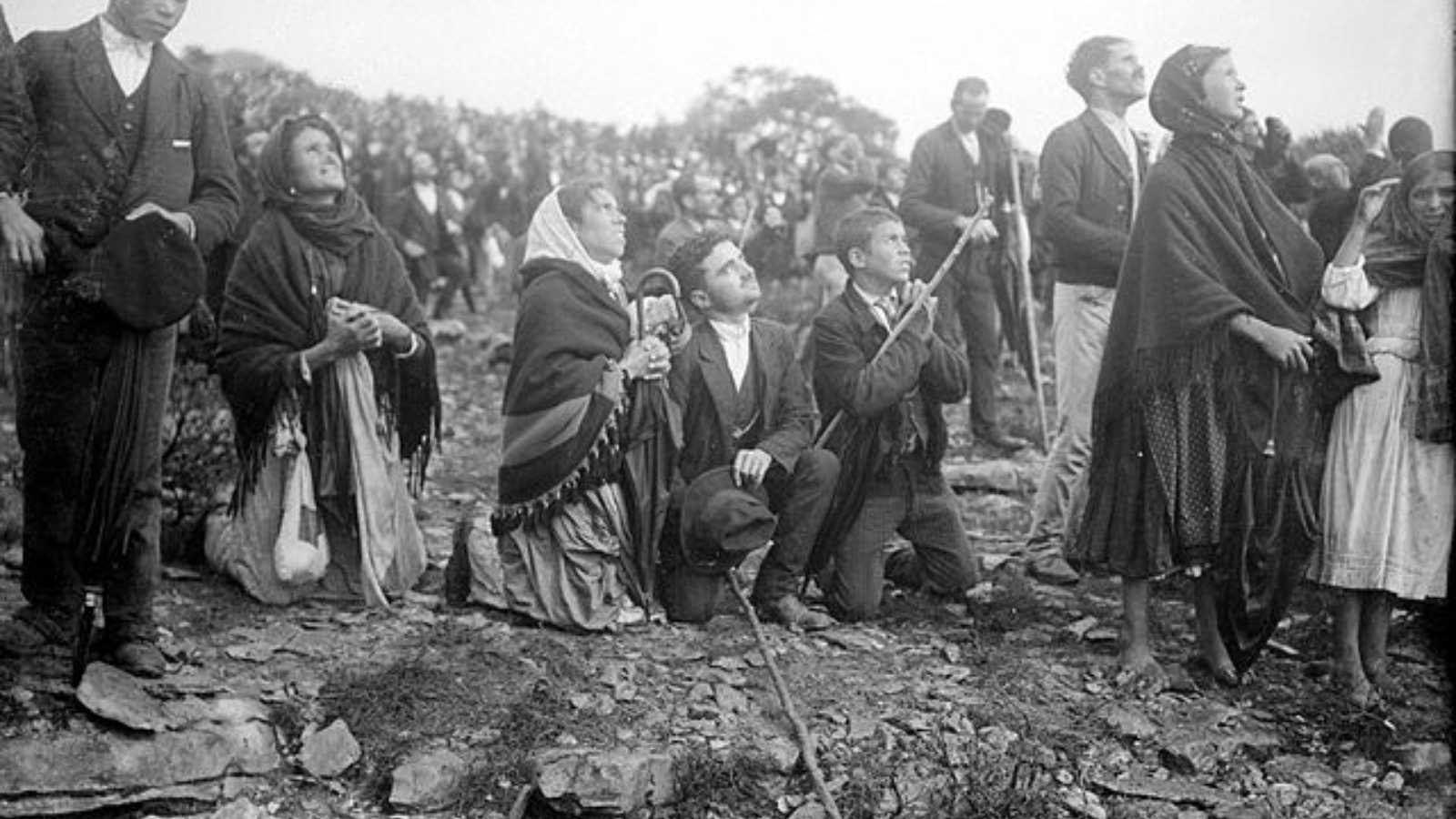
On October 13, 1917, tens of thousands gathered in Fatima, Portugal, to witness a promised miracle. According to reports, the sun appeared to dance, change colors, and even plummet toward Earth before resuming its normal position. This phenomenon, witnessed by believers and skeptics, has been called the Miracle of the Sun.
While some attribute it to mass optical illusion or atmospheric effects, it remains a significant event in religious history, often associated with the Marian apparitions at Fatima.
The Great Toilet Paper Shortage of 1973

In 1973, a baseless rumor about an impending toilet paper shortage led to a nationwide panic in the United States. Consumers rushed to stores, clearing shelves and causing an actual shortage.
Comedian Johnny Carson inadvertently fueled the hysteria by joking about it on “The Tonight Show.” This incident demonstrates how quickly misinformation can spread and affect consumer behavior, leading to real-world consequences from unfounded fears.
Victor Hugo’s Funeral and the Parisian Brothels
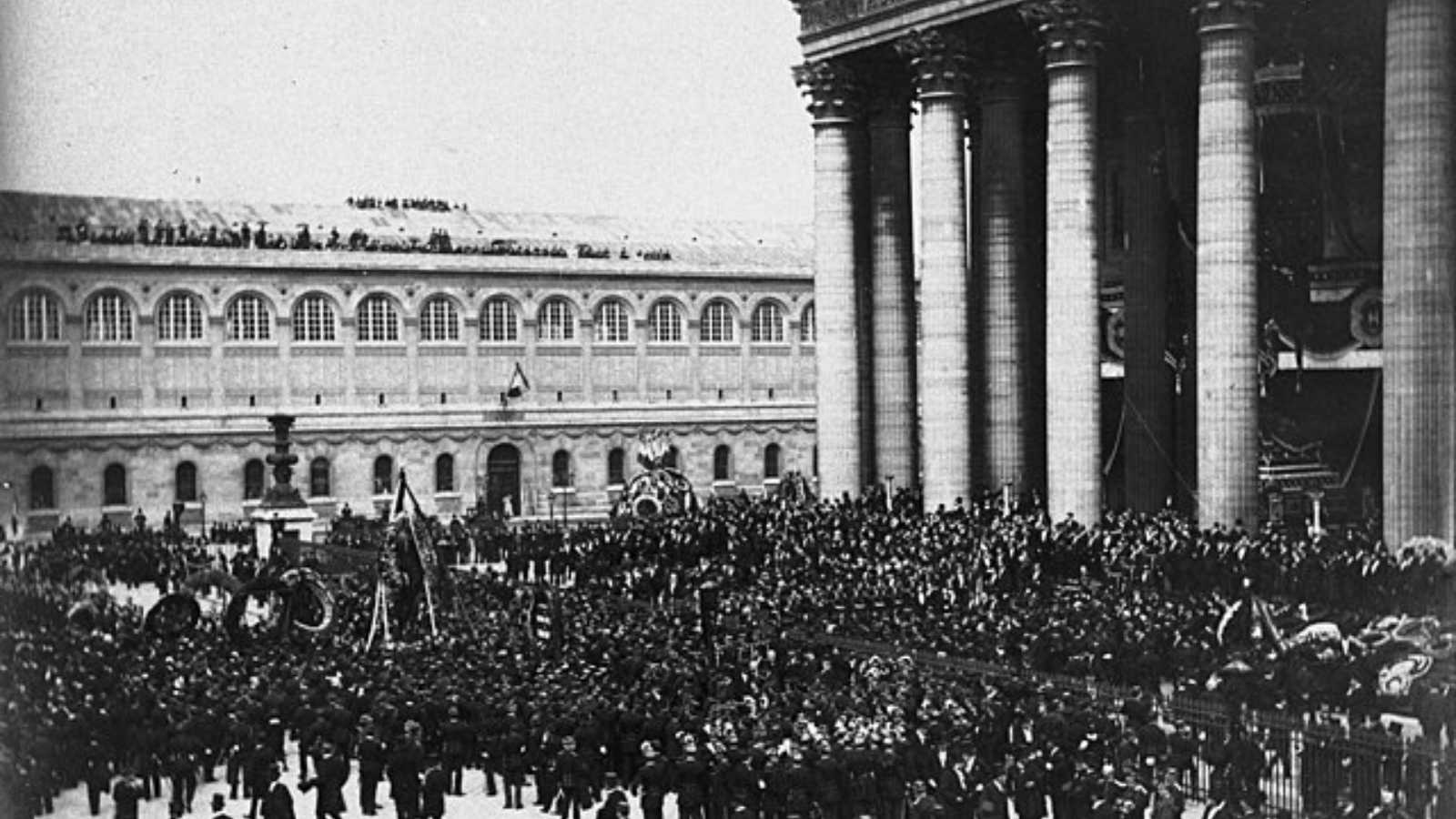
When Victor Hugo, the renowned French author of “Les Misérables” and “The Hunchback of Notre-Dame,” died in 1885, Paris greatly honored him. All the brothels in the city closed for his funeral, paying tribute to Hugo’s well-known patronage.
This unusual homage highlights the cultural norms and the significant impact Hugo had on Parisian society as a literary giant and a colorful character in the city’s social scene.
King Louis XIV’s An@l Fistula Surgery
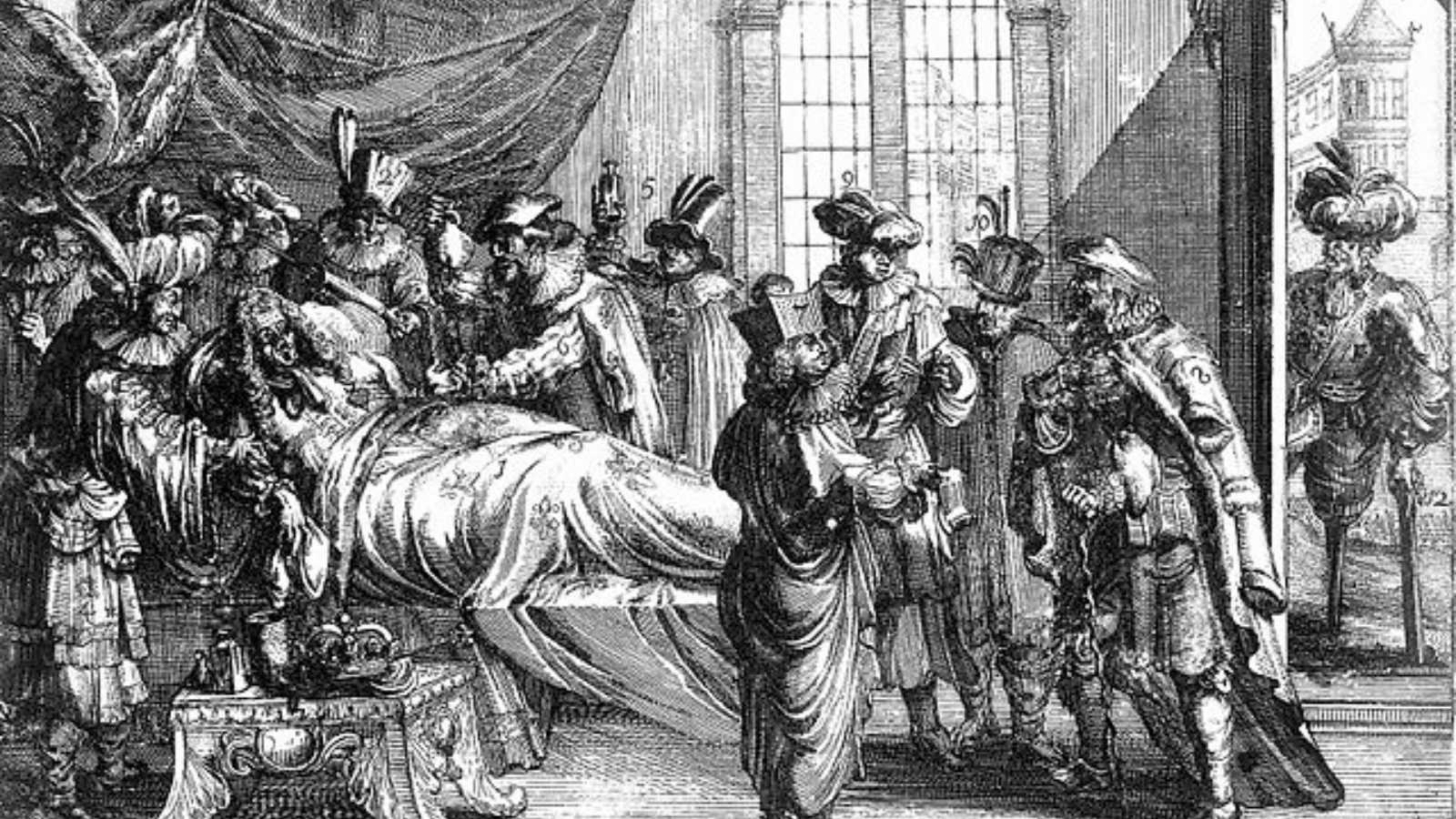
In 1686, King Louis XIV of France underwent groundbreaking surgery to treat an an@l fistula, a painful and debilitating condition. The operation’s success was celebrated widely, leading to a bizarre trend among courtiers.
Many began wearing bandages on their bottoms to emulate the king, even if they didn’t have the condition. This peculiar fashion statement underscores the extent of flattery and mimicry in royal courts.
The Cadaver Synod of 897
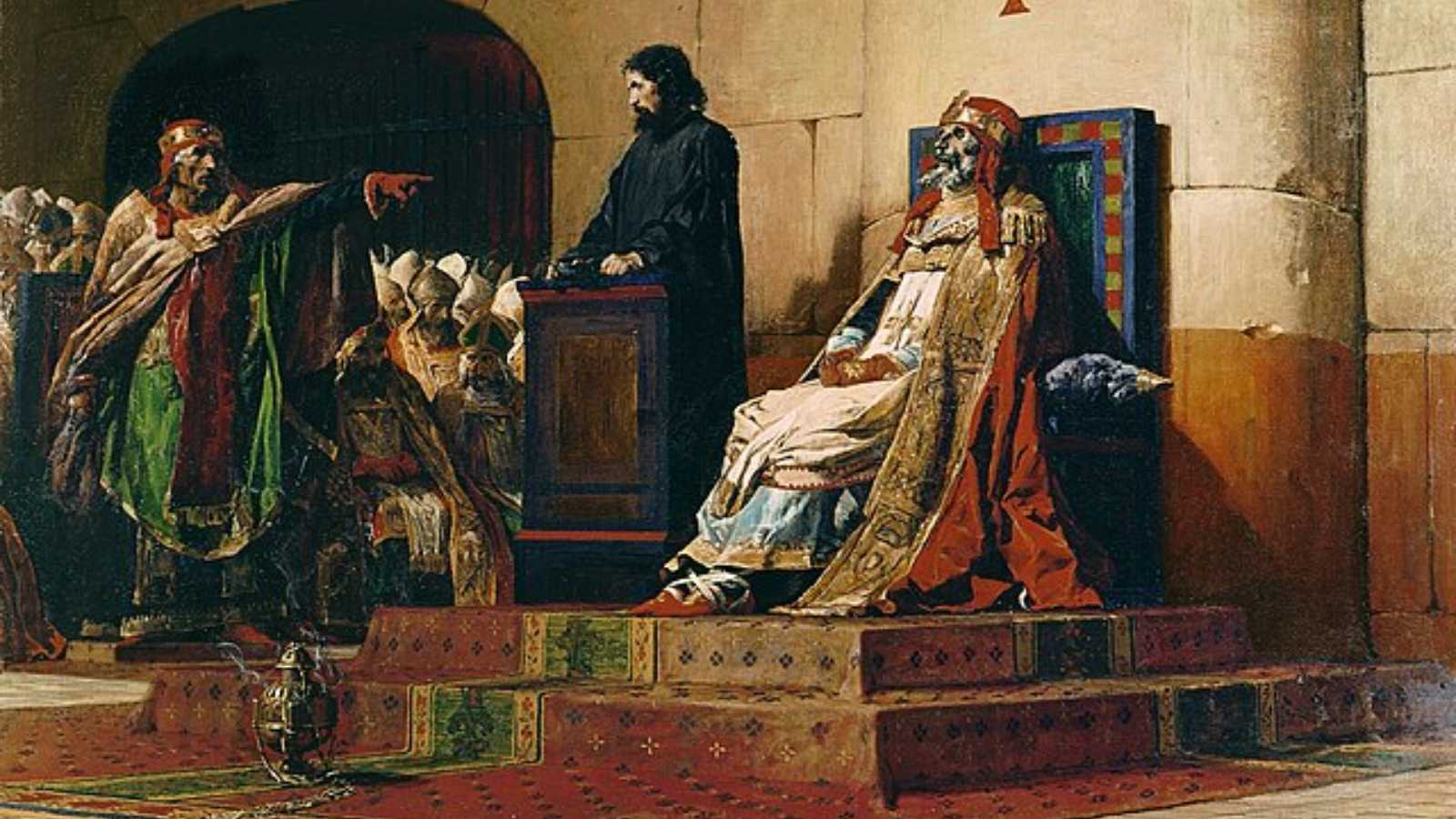
One of the most dreadful events in papal history is the Cadaver Synod of 897. Pope Stephen VI ordered the exhumation of his predecessor, Pope Formosus, to put his corpse on trial. The body was dressed in papal robes and propped up on a throne as Stephen VI accused him of perjury and violating church laws.
The grotesque trial ended with Formosus’s corpse being mutilated and thrown into the Tiber River. This event reflects the intense political and religious rivalries of the era.
The Kentucky Meat Shower of 1876

On March 3, 1876, in Bath County, Kentucky, residents witnessed a bizarre phenomenon: chunks of meat falling from the sky. The descriptions varied from beef to lamb, and scientists speculated that the meat was likely regurgitated by vultures flying overhead.
The so-called Kentucky Meat Shower remains one of the strangest meteorological events on record, capturing the imagination and skepticism of scientists and laypeople alike.
The Great Emu War of 1932
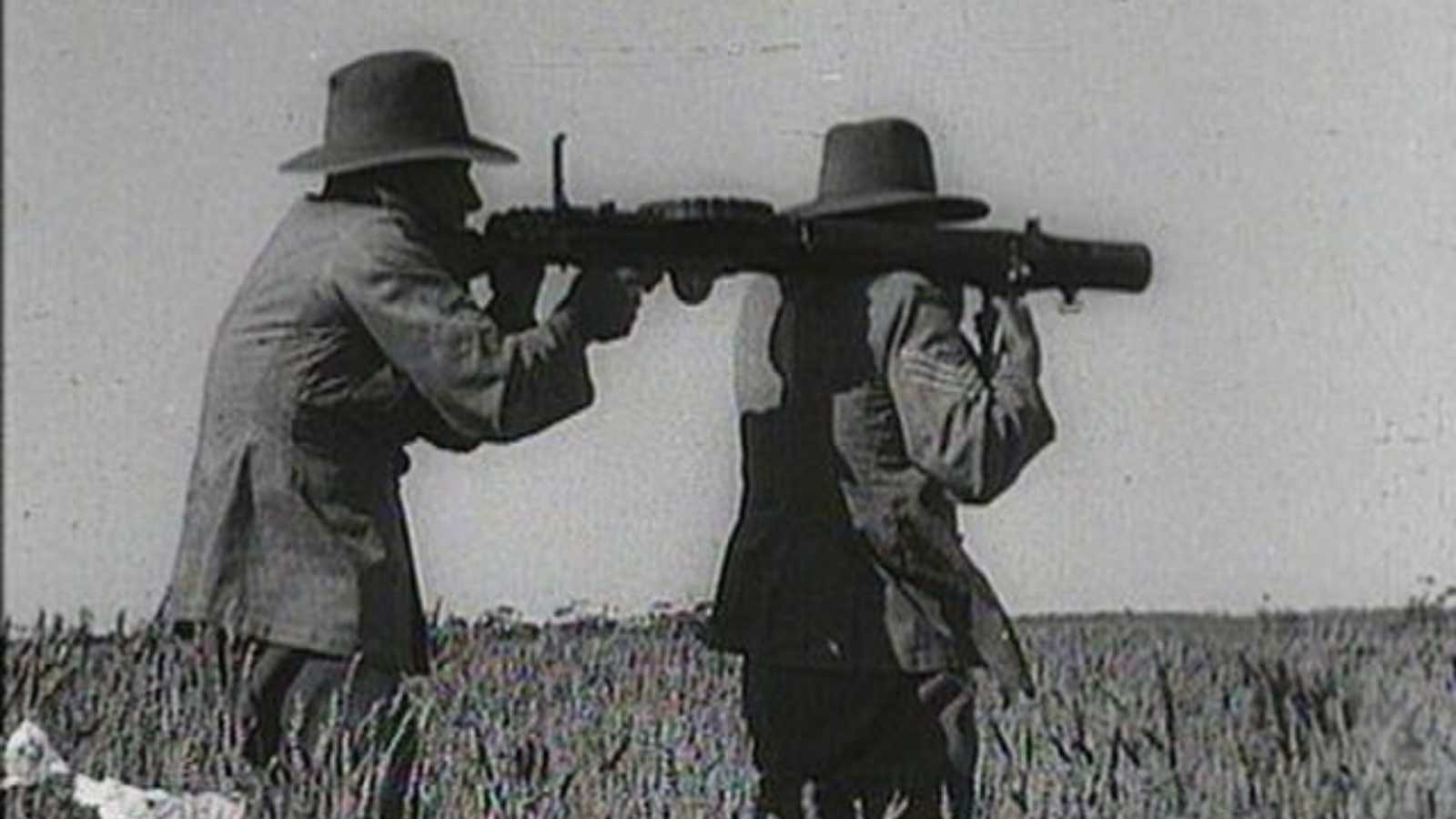
Australia’s attempt to control its emu population in 1932 led to an unusual military operation known as the Great Emu War. Faced with emus ravaging crops, the government sent soldiers armed with machine guns to cull the birds.
However, the emus proved surprisingly resilient and elusive, leading to an embarrassing and largely unsuccessful campaign. This comical episode is often cited as a cautionary tale about underestimating nature.
These twelve unbelievable historical events demonstrate that truth is often stranger than fiction. From bizarre medical trends to peculiar military blunders, these stories offer a glimpse into human history’s unpredictable and fascinating nature. They challenge our perceptions and remind us that the past is filled with extraordinary and sometimes inexplicable occurrences.
If you’re intrigued by these tales, there’s always more to explore. Delve deeper into history, uncover more unusual events, and gain a new appreciation for the complexities and curiosities that have shaped our world.
Other Topics You Might Like
- 12 Lesser-Known Historical Events That Had a Significant Impact
- 12 Historical Events That Coincidentally Occurred on the Same Day
- 17 Iconic Historical Quotes that People Have Consistently Misunderstood
- 12 Historical Figures Whose Identities Are Still A Mystery
- 15 Historical Villains Who Weren’t as Evil as You Think