


It’s often discussed as what’s best? Air Dry Clay or Polymer Clay. Both air-dry clay and polymer clay are popular choices among crafters and sculptors, but they behave quite differently. Understanding how these clays differ can help you choose the right one for your clay project. From drying methods to finish, here’s a look at the key differences between air dry clay and polymer clay.
1. Air Dry Clay vs. Polymer Clay – How They Harden
From my experience, the biggest difference between air dry clay and polymer clay is how they harden.
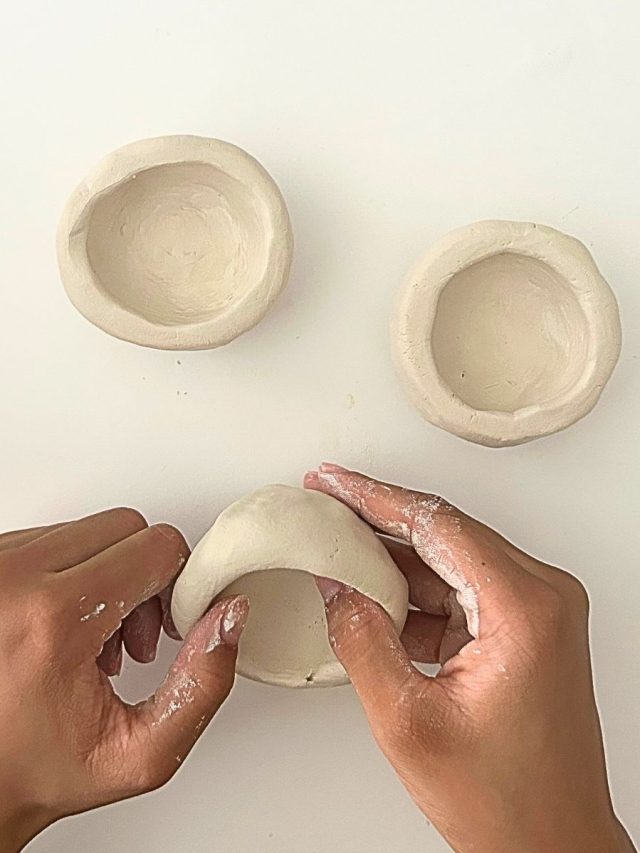
When I use air-dry clay, it hardens naturally at room temperature within 24-48 hours. No oven or kiln is typically needed. I shape my piece, set it aside, and let the moisture slowly evaporate. The drying time really depends on how thick the piece is and the humidity where you live. Most of mine dry completely in about one to three days.
Polymer clay, on the other hand, stays soft until you bake it. It contains PVC and plasticizers that only cure when heated in a regular home oven. After baking, it becomes hard and durable, perfect for projects that need to hold up over time or resist moisture.
2. How Each Clay Feels to Work With
When I first started using clay, I noticed right away how different the two clays feel in my hands.
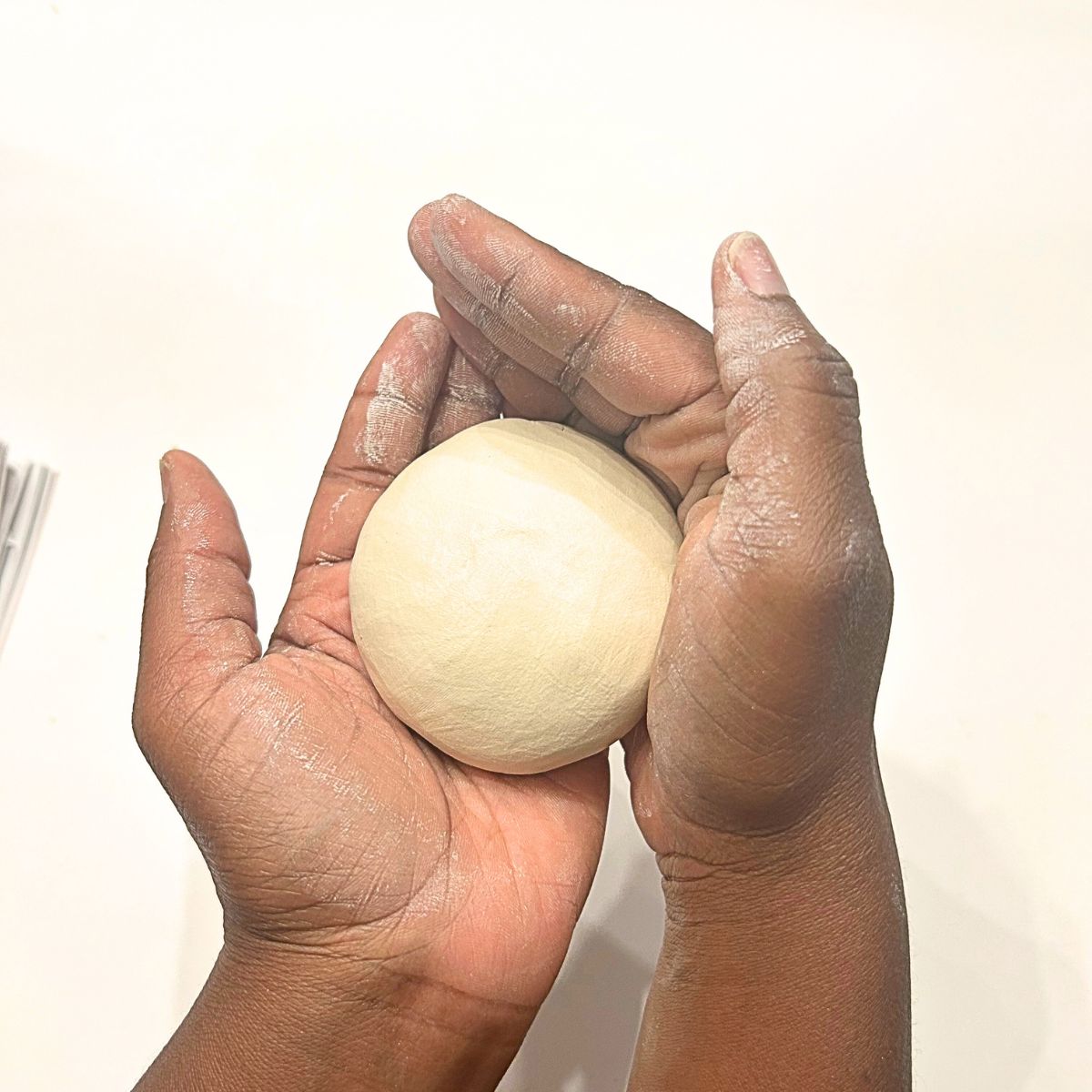
Air dry clay has a soft, natural texture that reminds me of traditional pottery clay — slightly cool and damp to the touch. I love how easy it is to shape, but I’ve learned it can start drying out faster than expected. To keep it workable, I usually mist it lightly with water while I’m in between steps.
Polymer clay, on the other hand, feels more like a smooth, firm dough. It doesn’t dry out in the air, which means I can take my time getting the details just right. The catch is that it needs a bit of conditioning before it’s ready to use — I roll, knead, and warm it in my hands until it’s soft and pliable again, especially if it’s been sitting unused for a while. While you still need to do the same with air dry clay, I have noticed that polymer clay requires more time with this step.
3. Drying or Baking – How Long It Really Takes
I’ve found that air dry clay definitely teaches you patience. Smaller pieces might be ready in a day, but anything larger can take several days to fully harden. I’ve learned to let it dry slowly to avoid cracks. If I rush the process or try to speed things up, it almost always shows.
With polymer clay, it’s a completely different story. I love that it bakes quickly in a regular oven. The timing of the course usually depends on the brand and the thickness of the piece. Once it’s cool, it’s ready to sand, paint, or glaze right away, which makes it great when I want to finish a project in one sitting.
For me, it comes down to timing: when I want fast results, polymer clay wins every time. But when I’m in the mood to take things slow, air dry clay wins.
4. Which Clay Holds Up Better
After working with both, I’ve noticed that polymer clay is definitely the stronger of the two once it’s baked. It doesn’t chip easily and can handle a bit of rough use. That’s why I like using it for jewelry, keychains, or small figurines that need to hold up over time.
Air dry clay, on the other hand, is more delicate. It looks beautiful but can be a little fragile. I’ve had a few projects crack or break if they were handled too much. Sealing it helps a bit.
In my experience, polymer clay is the better choice when I need something durable, while air dry clay is perfect for gentle, artistic projects that don’t need to stand up to daily wear and tear.
5. Painting and Finishing
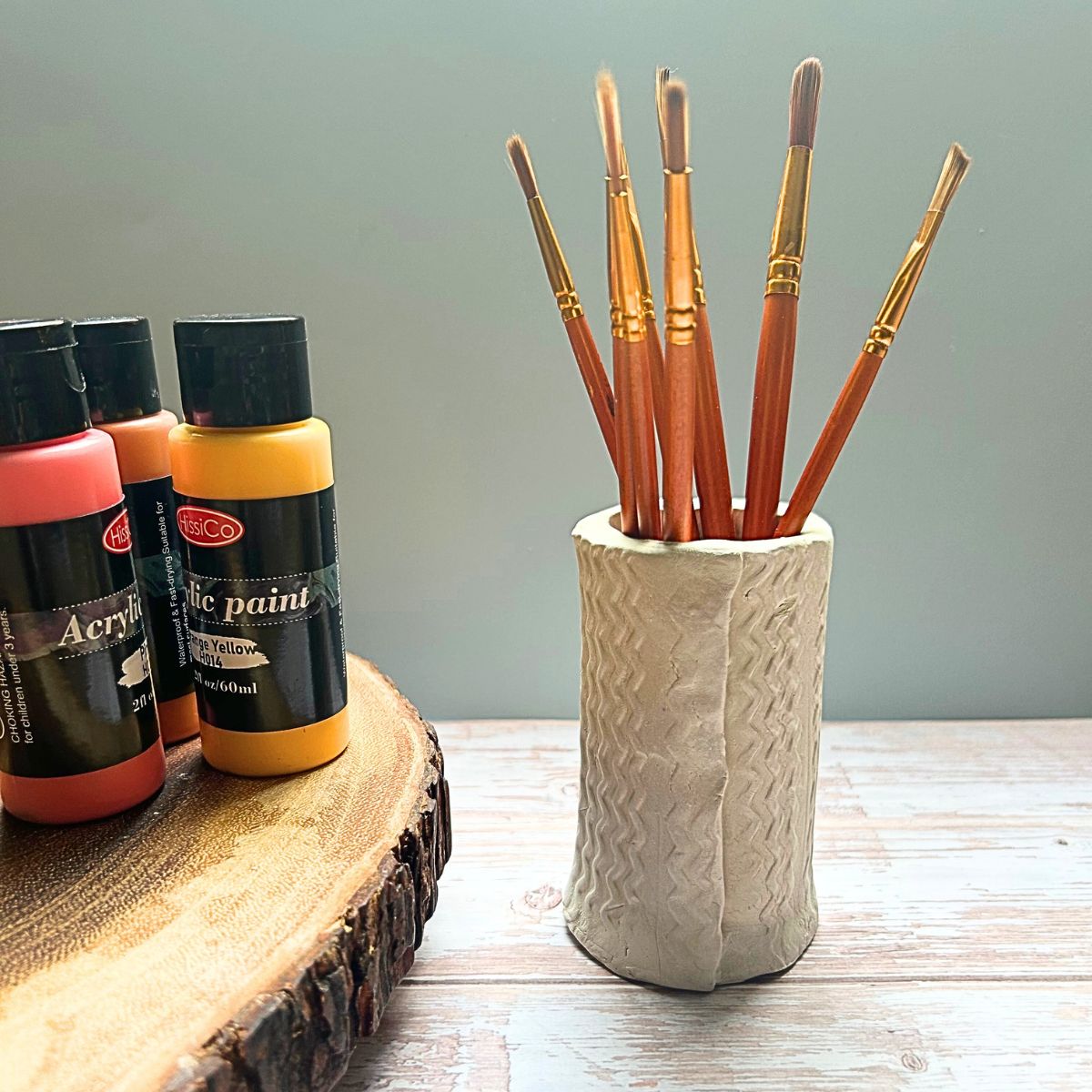
When it comes to painting, I’ve noticed air dry clay and polymer clay behave really differently. Once my air dry clay pieces are fully set, they have a soft, matte finish that soaks up paint beautifully. I usually reach for acrylics or watercolors, though chalk pastels also give a nice, soft look. Because the surface is porous, I always seal my finished piece with a clear varnish or acrylic sealer — it keeps moisture out and helps the colors stay bright.
Polymer clay, on the other hand, comes out of the oven smooth and non-porous. I love that I can mix colors before baking or use pre-tinted clays to achieve a specific shade. When I paint baked polymer clay, I stick with acrylics, and sometimes I finish it off with a glossy sealer or a resin coat for extra shine. It’s not required for protection, but it really makes the colors pop.

6. How Each Clay Handles Water
One thing I learned pretty quickly is that air dry clay never becomes completely waterproof — even after sealing. The surface remains slightly porous, so if it gets wet, it can soften or warp over time. I always keep my air dry clay projects away from moisture and use them mainly as decorative pieces.
Polymer clay, though, is a lot more water-resistant once it’s baked. It’s not food-safe, but it can handle a little water without any damage.
Which Should You Choose?
| Project Type | Best Choice | Why |
|---|---|---|
| Simple crafts, home decor, ornaments | Air Dry Clay | Easy, affordable, natural look |
| Jewelry, charms, miniatures | Polymer Clay | Strong, detailed, colorful |
| Projects for kids | Air Dry Clay | Safe, no baking needed |
| Long-lasting, professional crafts | Polymer Clay | Durable and flexible |