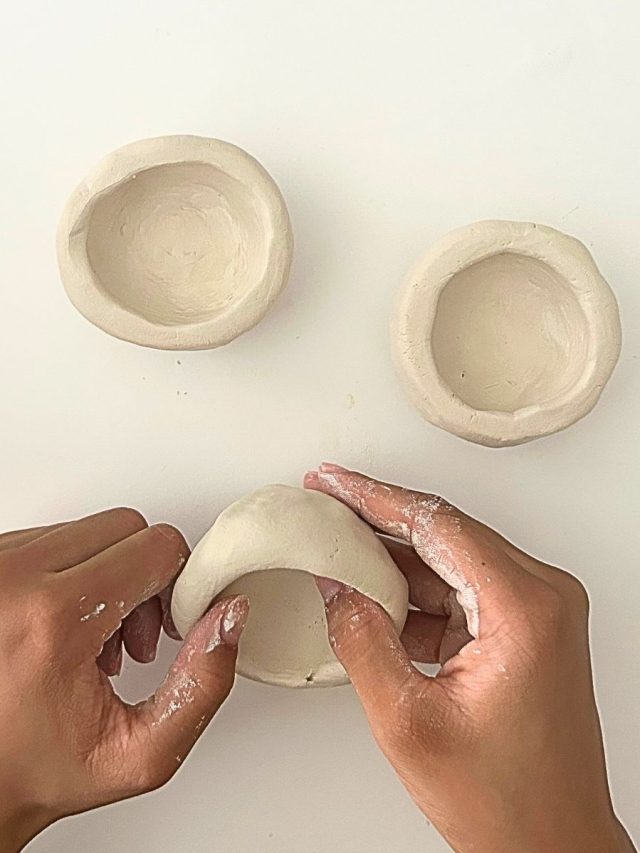








I am big fan of working with air dry clay. I really love that air dry clay’s material allows you so much flexibility to sculpt, craft and create without a kiln. And that’s the beauty of this type of clay – it can literally air dry.
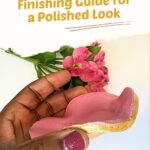
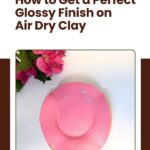
However, its matte, porous surface can look unfinished when dried. Some people like it, other’s not so much. While this is preference, there is a way to give it a more finished, polished look. That’s where glazing or some might say sealing, comes in.
While traditional ceramic glazes require high heat, there are plenty of simple, kiln-free methods you can use. Here’s are some ways that you can glaze air-dry clay.

What Does“Glazing” Means for Air Dry Clay
True ceramic glaze melts and fuses to the clay in a kiln, forming a glass-like surface. Air dry clay can’t handle that kind of heat, so glazing it means applying a sealant or coating that creates a glossy or shiny finish. The goal is to make your piece look finished, protect it from moisture, and give it a smooth texture.

Guide to Glazing Air Dry Clay
Before glazing, make sure your clay project is completely dry. Depending on its thickness, this can take anywhere from 24 to 48 hours. Work with a clean, smooth surface to ensure your glaze or sealant goes on evenly.
If you want your clay piece to have color, paint it before sealing. Make sure the paint is completely dry before moving on. I like to use acrylic paint before sealing, but that step is optional—some people prefer to paint afterward. Glazing the piece is one of the final touches that really completes the project and gives it a polished look.
Popular Choices For Glazing Clay
Mod Podge (Gloss)

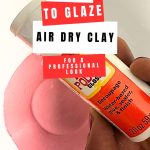
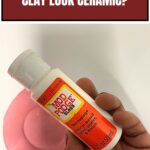
Mod Podge is a water-based glue that makes an excellent glaze. In fact, this is my preferred choice when glazing air dry clay. The best way to apply is to layer it on thinly using a paintbrush. It dries pretty clear but the result is a shiny polished look.

Clear Acrylic Sealer (Spray or Brush-On)
A clear acrylic sealer is onother option as it adds a shiny layer that’s waterproof and durable. Use a soft brush for brush-on sealers, applying thin, even coats. If using spray sealer, hold the can about 8–10 inches away and spray in light passes.
Resin Coating
For a glass-like shine and extra durability, epoxy or UV resin can be used as a high-gloss glaze.
Once you have glazed your peice, give it time to fully dry. I recommend atleast 24 hours before you start o display or use your finished product.