
The kitchen aisle at a thrift store can be full of great finds, from cast-iron pans and vintage dishes to baking tools you can use for years. Wooden kitchenware deserves a closer inspection, though, because deep scratches, cracks, and worn finishes can make older pieces harder to clean properly.
Wood can absorb moisture, oils, and odors over time, especially if it hasn’t been properly cared for. Before bringing home a wooden kitchen item, check its condition carefully and leave damaged pieces behind.
Wooden Cutting Boards
An old wooden cutting board can look beautiful, particularly if it’s made from thick, solid wood. Deep knife grooves, cracks, dark stains, warping, and persistent odors are all reasons to leave one behind, as these defects can make the board hard to clean thoroughly.
Related: A Thrifting Expert Says Never Visit the Goodwill Bins Without This
Wooden Spoons
Wooden spoons are inexpensive to buy new, so a heavily worn secondhand one may not be worth the savings. Skip spoons with cracks, splinters, deep stains, or lingering smells, since these can be difficult to clean thoroughly.
Related: 9 Goodwill Finds That Can Turn Into Regrettable Purchases Without These Checks
Wooden Salad Bowls
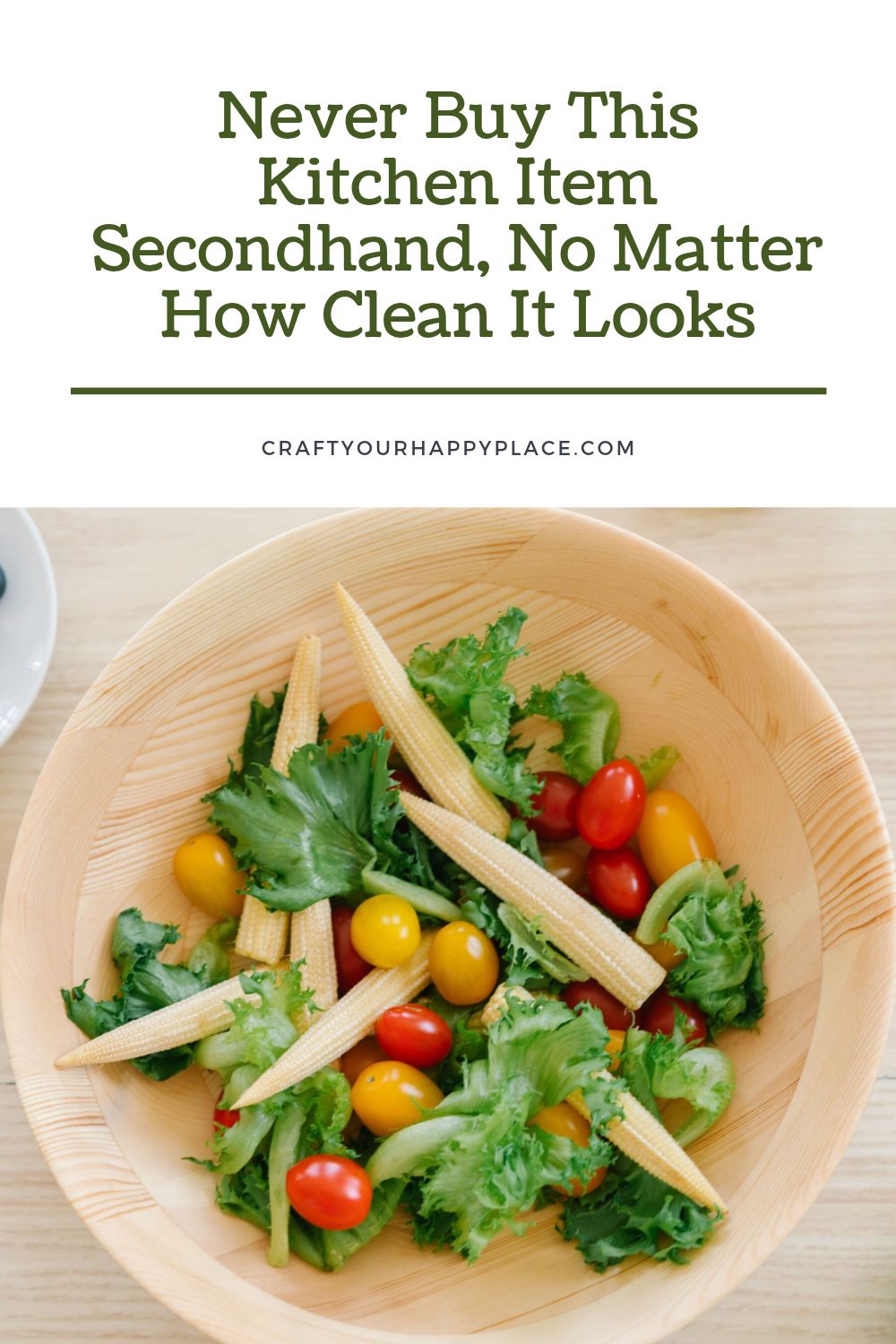
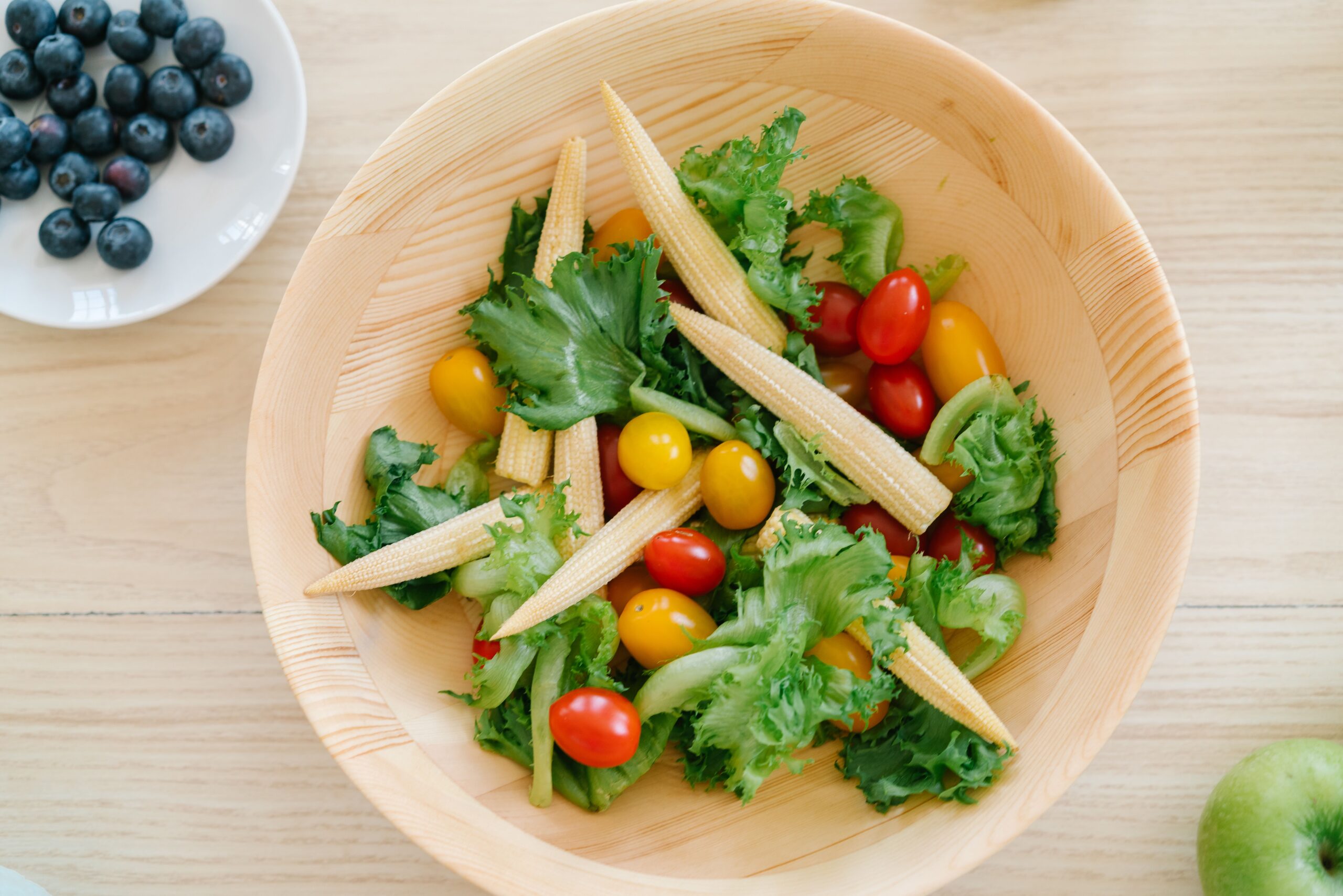
Those large vintage wooden salad bowls can be lovely finds, but their condition matters more than their appearance. Check for cracks, rough patches, deep discoloration, and peeling finishes, since these can make a bowl unsuitable for serving food.
Related: 14 Items Worth Hunting for at Thrift Stores Before You Buy Them Retail
Wooden Spatulas
Wooden spatulas spend years in contact with hot pans, cooking oils, and water, which can wear down or damage the wood. Check the handle, edges, and flat surfaces for splinters, cracks, or rough spots, and skip any spatula that could shed wood into food.
Related: 15 Things You Should Never Pick Up at a Yard Sale (No Matter How Cheap They Are)
Wooden Rolling Pins
Vintage wooden rolling pins can be tempting finds, particularly older solid-wood models with a classic design. If you plan to use one for baking, check for cracks, splits, stubborn stains, and musty odors, since a damaged surface can be difficult to clean properly.


