
I love finding something at Goodwill for a fraction of its original price, especially if it’s an item I’ve been looking for. Still, I’ve learned that a bargain isn’t worth much if the item is damaged, unsafe, difficult to clean, or ends up sitting unused at home.
Now I give certain secondhand finds a closer look before deciding whether they’re worth bringing home. These are the nine categories I check carefully so I don’t turn a cheap purchase into an expensive headache.
Clothing
I check clothes for stains, holes, pilling, loose seams, broken zippers, missing buttons, and damaged linings before buying anything. I also check the fit instead of trusting the tag, since older garments may use different sizing and previously owned clothes can shrink, stretch, or be altered.
Related: 10 Goodwill Items That Are Worth Snatching Up When You Spot Them
Upholstered Furniture
An inexpensive chair or sofa can be tempting, but I inspect the seams, folds, underside, and spaces beneath the cushions for stains, odors, and signs of pests. If I can’t check it properly or feel confident it can be cleaned, I leave it behind rather than risk bringing unwanted pests home.
Related: The One Thrift Store Item I Never Buy (And Why)
Electronics and Small Appliances
I test electronics and small appliances whenever the store allows it, since a clean exterior doesn’t tell me whether the item works. I also check cords, plugs, switches, and included parts, because replacing a missing component or repairing a faulty appliance can quickly wipe out the savings.
Related: 18 Goodwill Shopping Tips Most People Never Learn (and Experienced Thrifters Rarely Share)
Shoes
I turn shoes over to check for cracked soles, uneven wear, loose sections, and other damage that may be easy to miss from above. I also look inside for worn lining and make sure the shoes can be cleaned properly before wearing them.
Rugs
Before buying a secondhand rug, I inspect both sides and check for stains, musty odors, worn patches, and damage around the edges. I also factor in cleaning costs, since a rug that needs expensive treatment may end up costing more than a similar one bought new.
Related: 12 Reasons Your Wardrobe Is Full, but You Still Feel Like You Have Nothing to Wear
Purses and Bags
I inspect the inside and outside of bags, paying close attention to the lining, pockets, zippers, straps, handles, and seams. I check fabric bags and luggage for pests in folds and hidden corners, and skip anything I can’t inspect or clean properly.
Cookware
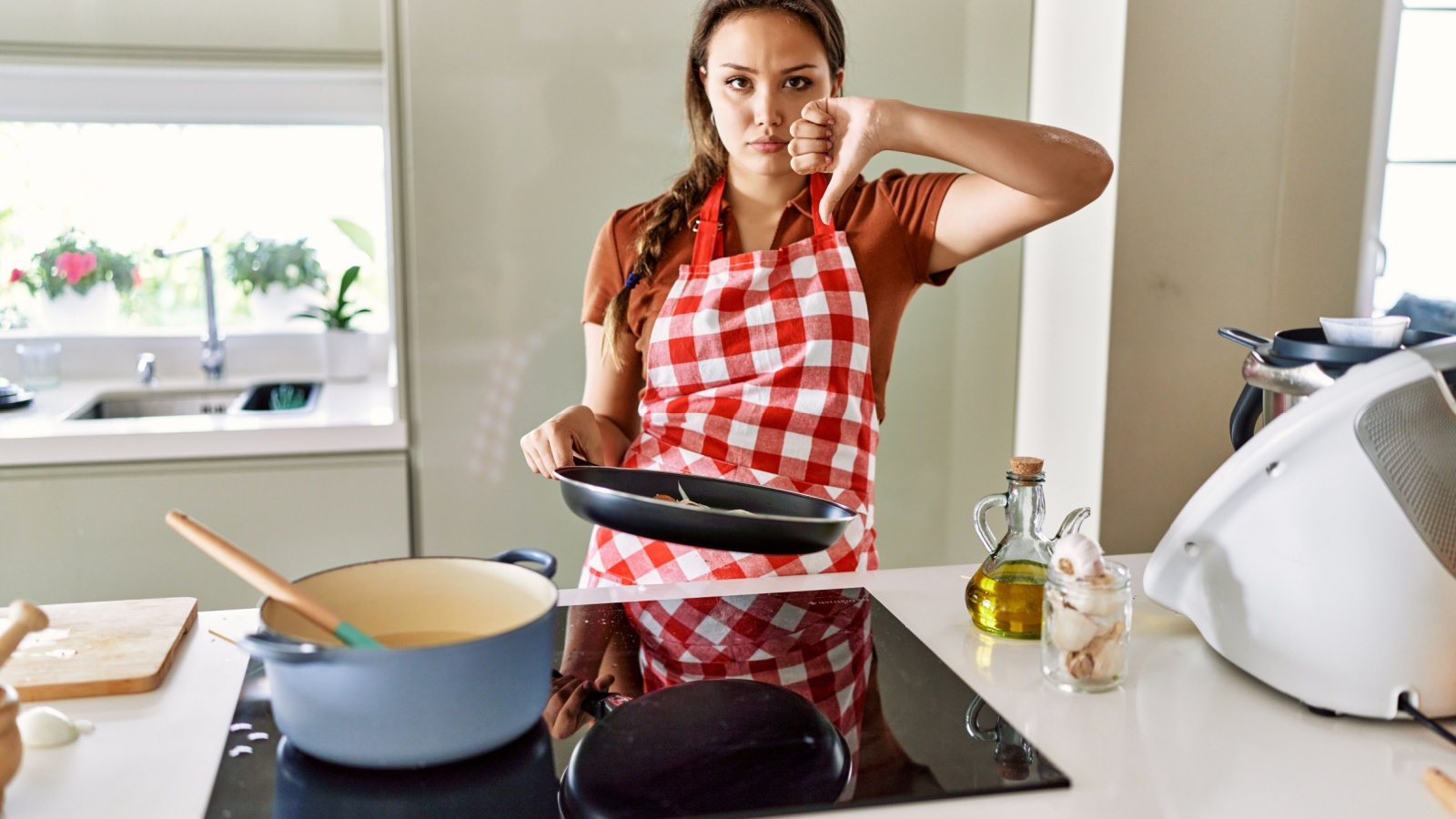
I check cookware for cracks, chips, warping, rust, and damaged nonstick coatings before considering a purchase. I also compare the thrift store price with the cost of buying a similar item new, since common pots and pans often go on sale at regular retailers.
Toys, Puzzles, and Games
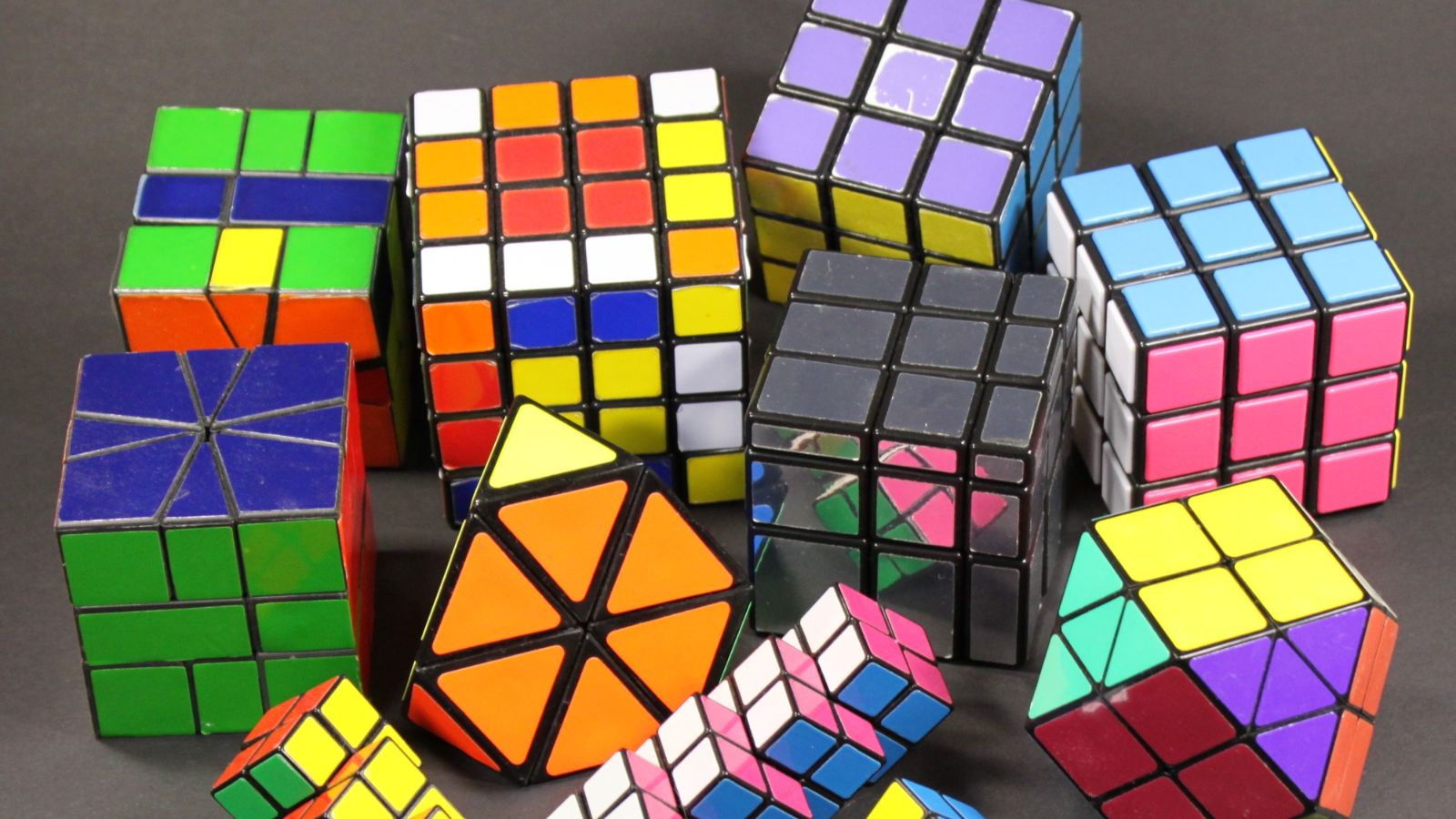
I check whether puzzles, board games, and toys include their important pieces and accessories before paying for them. I also look for broken parts, excessive wear, and cleaning issues, since an incomplete game or a toy that’s difficult to clean may not be worth bringing home.
Vintage Finds
An old item may look interesting, but I still check its condition, construction, and price before deciding to buy it. If a piece seems unusually expensive, I look up the maker or compare similar listings on my phone rather than assuming its age makes it valuable.