

People who consistently find amazing things at Goodwill usually aren’t just getting lucky. After you thrift long enough, you start realizing there’s a rhythm to it. Experienced shoppers notice details other people rush past, know which sections deserve extra attention, and understand that the best finds are often hiding in plain sight.
In Goodwill, inventory changes constantly, items are misplaced all the time, and some of the best pieces never even make it to the obvious spots. The shoppers who walk out with vintage finds, high-quality clothing, and hidden gems usually follow a few shopping habits that most casual thrifters never think about.
Here are some Goodwill shopping tips experienced thrifters swear by, even if they rarely talk about them.
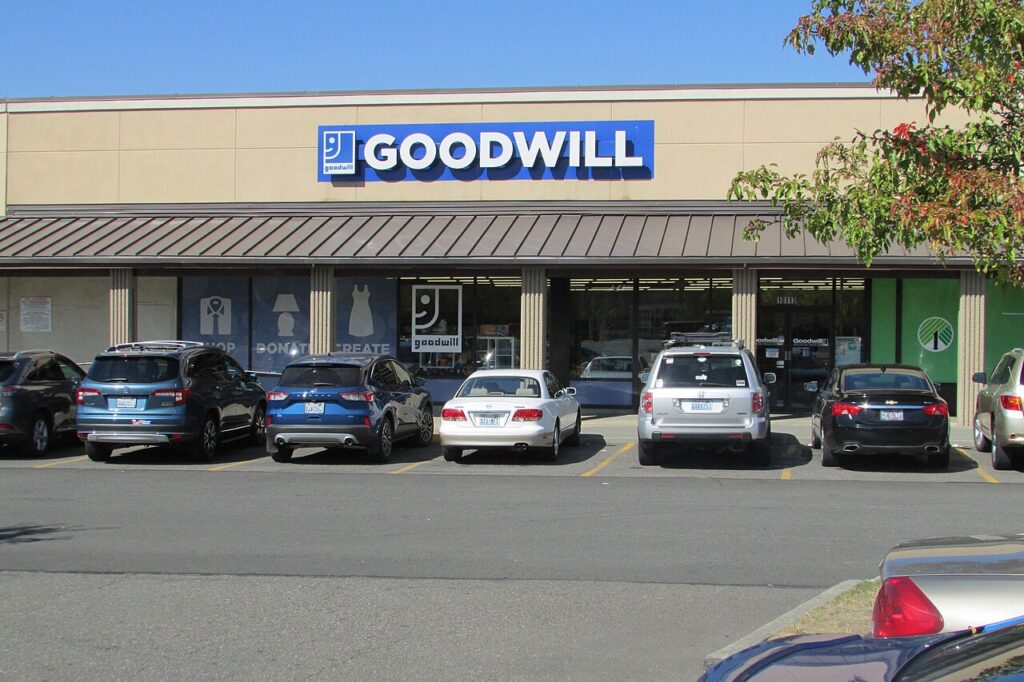
Going Often Matters More Than Staying Long
Goodwill inventory changes daily, sometimes hourly. One visit may feel disappointing, while the next trip uncovers incredible finds.
Many experienced shoppers stop in regularly for short visits rather than relying on a single big shopping trip. Catching new inventory shortly after it hits the floor often makes the biggest difference.
Learn to Recognize Quality Quickly
After a while, experienced thrifters stop focusing only on labels and start noticing materials, stitching, weight, and construction.
Natural fabrics, solid seams, heavy hardware, real wood, and quality craftsmanship stand out once you know what to look for. Many valuable items get overlooked simply because people only recognize obvious designer brands.
Focus on One Section at a Time
Goodwill stores can feel visually overwhelming fast. Jumping randomly from section to section usually means missing things.
Experienced shoppers tend to fully work through one area before moving to another. It’s slower, but it helps you notice items other people overlook.
Slow Down and Actually Look
One of the biggest mistakes people make at Goodwill is moving too fast. The good stuff is rarely sitting front and center waiting to be noticed.
Experienced thrifters go rack by rack and look carefully, even through sections that seem unpromising at first glance. Some of the best finds are buried between ordinary items because most shoppers gave up too quickly.
Check Sections You Normally Ignore
Items end up in the wrong department constantly. Shoppers change their minds and toss things wherever they happen to be standing, and employees restock quickly throughout the day.
That means valuable items often show up in completely unexpected places. Good jackets may end up in men’s shirts, vintage dishes appear with random kitchenware, and designer pieces sometimes hide in basic sections that nobody checks carefully.
Always Look on Top of the Racks
Experienced thrifters know the top of clothing racks can be surprisingly valuable real estate. People frequently set items there while browsing, and employees sometimes place recent finds there temporarily while organizing.
A quick glance upward can occasionally uncover pieces that everyone else has completely missed.
Pay Attention to Color Tag Sales
Most Goodwill stores run rotating color tag discounts throughout the week. Certain colored tags may be 50% off or heavily discounted, depending on the day.
Regular shoppers pay close attention to these rotations because the savings add up quickly.
Check Items Carefully Before Buying
Just because something is cheap doesn’t automatically make it a good deal. Experienced thrifters inspect items closely for stains, cracks, broken zippers, missing buttons, chips, or hidden damage.
A beautiful item quickly stops being a bargain if it can’t realistically be repaired or cleaned.
Fill Your Cart — Then Edit Later
Many experienced thrifters place anything interesting into their cart first and make final decisions later.
Once you’ve finished browsing, it becomes easier to look through everything calmly and decide what you truly want versus what simply caught your attention in the moment.
Some Goodwill Locations Are Much Better Than Others
Not every Goodwill store gets the same donations. Some locations consistently have better furniture, better clothing, or more
Experienced thrifters often rotate between several stores because certain locations become known for specific types of finds.
Shop During Off-Hours
Busy weekends can make thrifting stressful and overwhelming. Experienced shoppers often go during weekday mornings or quieter hours when aisles are calmer and freshly stocked items are easier to browse.
Less crowded stores also make it easier to take your time without feeling rushed.
Always Wash or Sanitize Everything
Even if something looks perfectly clean, thrifted items have still passed through countless hands, homes, and storage spaces.
Experienced thrifters wash clothing immediately, sanitize hard goods, and deep-clean anything upholstered before using it regularly.
Look Things Up Before Assuming They’re Worth Buying
Some items look vintage or expensive but actually aren’t valuable at all. Others seem ordinary but turn out to be highly collectible.
A quick search can help identify whether an item is genuinely rare, overpriced, or worth reselling before you head to checkout.
Test Electronics Before Leaving the Store
Most Goodwill locations allow customers to plug electronics in before buying them. Experienced shoppers almost always test lamps, speakers, kitchen appliances, and electronics before committing.
This simple habit can save a lot of frustration later.
Learn Which Items Tend to Hold Value
Certain categories consistently perform well in thrift stores. Vintage band tees, older Pyrex dishes, solid wood furniture, typewriters, vintage toys, and quality leather goods are all popular among collectors and resellers.
Once you recognize what people actively search for, it becomes easier to spot worthwhile finds quickly.
Don’t Ignore the Goodwill Bins
The Goodwill Outlet, often called “the bins,” is a completely different experience from regular stores. Items are sold by weight and tossed into large bins that shoppers dig through themselves.
It takes patience, but experienced thrifters know some of the best deals, and rarest finds show up there because inventory moves through so quickly.
The Best Finds Usually Don’t Look Perfect at First
A lot of incredible thrift finds need a little imagination. Experienced thrifters often look past wrinkles, dust, poor styling, or minor cosmetic flaws because they know those things can usually be fixed.
Sometimes, the piece everyone else ignored becomes the best thing in the store once it’s cleaned up properly.
Don’t Shop Without Some Kind of Plan
Goodwill makes impulse buying incredibly easy because everything feels inexpensive compared to retail prices.
Having a rough idea of what you actually need helps prevent bringing home clutter you’ll regret later. Experienced thrifters usually shop with categories in mind instead of randomly grabbing anything cheap.