
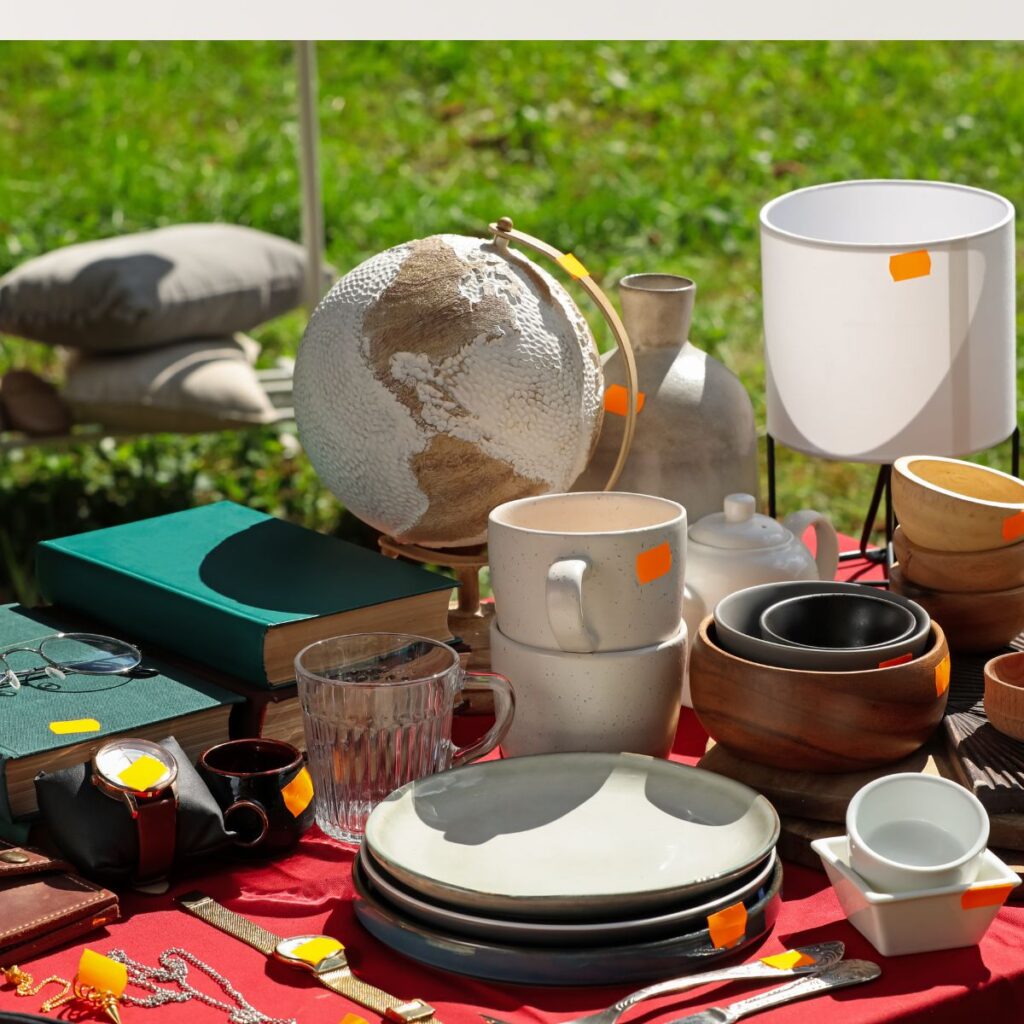
Yard sales can be one of the best places to find affordable treasures. You can score everything from solid wood furniture and vintage decor to gardening tools and kitchen basics for a fraction of retail prices.
But not every cheap find is actually a good deal. Some secondhand items come with hidden safety risks, hygiene concerns, missing parts, or damage that simply is not worth bringing into your home, no matter how low the price tag is.
Mattresses, Pillows, and Bedding
Soft household items are some of the riskiest things to buy secondhand because you never really know what they have absorbed over the years. Dust mites, odors, allergens, mold, stains, bed bugs, and bacteria can all hide deep inside fabrics and fillings.
Even if they look clean, it is hard to fully sanitize heavily used mattresses, pillows, and bedding.
Related: 10 Warning Signs Your Bed Might Be Crawling with Dust Mites
Upholstered Furniture
Used couches, recliners, and padded chairs may look perfectly fine at first glance, but fabric and cushions can hide pet hair, smoke smells, stains, allergens, and pests.
Bed bugs are among the biggest concerns with secondhand upholstered furniture, and they are incredibly difficult and expensive to eliminate once they get into your home. What feels like a bargain can quickly become a costly headache.
Related: 15 Unique Ways to Repurpose Old Furniture
Baby Cribs and Car Seats
Baby gear is one category where safety matters far more than saving money. Older cribs may not meet current safety standards, while used car seats could have hidden damage from accidents or may already be expired.
Unless you personally know the full history of these items, it is usually much safer to buy them new.
Rugs and Carpets
Used rugs can trap years of dirt, pet accidents, odors, allergens, mold spores, and dust deep in the fibers. Some problems are impossible to fully remove, even with professional cleaning.
Large rugs can also carry pests into your home without you realizing it until much later.
Used Tires
Tires wear down in ways that are not always easy to see. Dry rot, hidden cracks, uneven wear, or internal damage can all create serious safety risks on the road.
Without knowing the tire’s age, storage conditions, and driving history, buying used tires from a yard sale is a gamble most experts would avoid.
Swimwear and Underwear
Some things are simply better bought new, and personal clothing items fall firmly into that category. Even if they appear clean, used underwear and swimwear are difficult to sanitize completely and are usually not worth the savings.
Most shoppers pass on these items for hygiene reasons alone.
Non-Stick Cookware
Older non-stick pans can develop scratches and worn coatings that are not always easy to spot immediately. Once the surface begins breaking down, the cookware becomes less safe and less effective to use.
A cheap used pan often ends up needing replacement much sooner than expected anyway.
Stuffed Animals
Stuffed animals may look cute sitting on a sale table, but they can collect dust, allergens, odors, mold, and bacteria over time. Older plush toys may also have loose seams, damaged stuffing, or outdated safety features that make them less ideal for children.
Unless they can be thoroughly cleaned and inspected, many people prefer to skip them.
Related: 14 Iconic 1980s Toys That Will Transport You Back in Time
Puzzles and Board Games With Missing Pieces
A puzzle is only fun if all the pieces are actually there. At yard sales, there is always a decent chance that important pieces, cards, dice, or instructions have disappeared over the years.
Unless the seller has already confirmed that everything is complete, buying these items can be risky.
Untested Small Appliances
A coffee maker, blender, toaster, or lamp may seem like a steal until you get home and realize it does not work. Yard sales often do not offer outlets or ways to properly test electronics before buying.
Without testing them first, you could easily end up paying for someone else’s broken clutter.
Bicycle Helmets
Helmets are designed to absorb impact once, which means damage is not always visible on the outside. A used helmet could already be compromised from a previous accident without showing obvious signs.
Because safety equipment matters so much, this is one item experts strongly recommend buying new.
Laptops and Tablets
Used electronics can hide a long list of problems that are impossible to spot during a quick yard sale inspection. Weak batteries, water damage, outdated software, missing chargers, broken ports, or locked accounts can all turn a “great deal” into wasted money.
Older devices may also stop supporting updates sooner than expected.
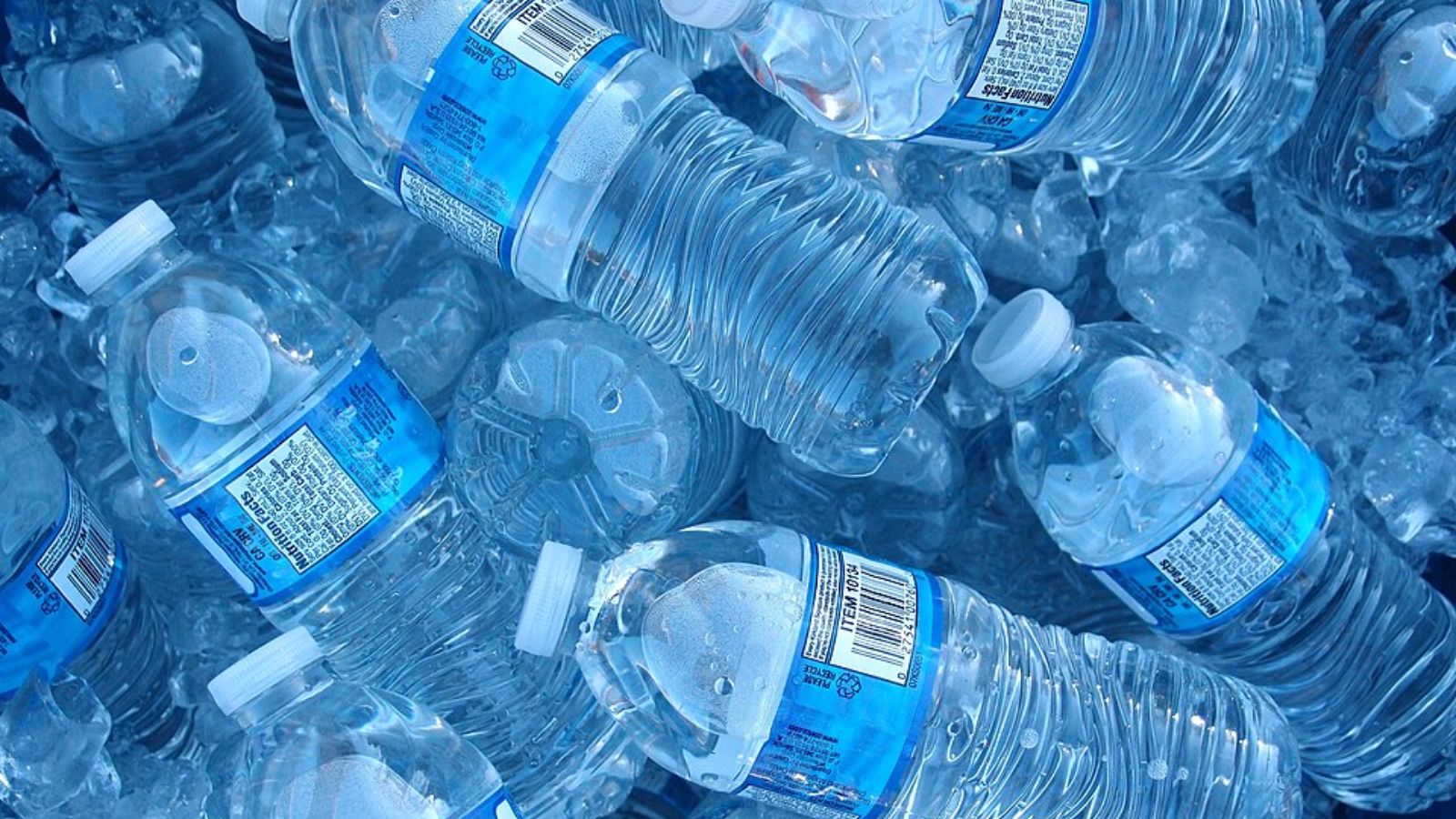
Reusable Water Bottles
Reusable bottles can trap odors, mold, bacteria, and residue inside lids, seals, and straws. Scratches and wear inside the bottle can also make them harder to clean properly over time.
Considering how inexpensive many new water bottles are, most secondhand ones simply are not worth the risk.
Plastic Food Storage Containers
Used plastic containers often come stained, warped, scratched, or permanently scented from years of use. Some may have been microwaved repeatedly or used to store harsh foods, leaving lingering residue.
Since plastic breaks down over time, buying brand-new containers is usually the better option.
Wool Clothing
Wool sweaters, coats, and blankets can sometimes hide moth damage that is difficult to notice right away. Tiny holes, weakened fibers, or lingering odors may only become obvious after you bring the item home.
While wool can absolutely be worth thrifting, it is one material that deserves an especially careful inspection before buying.