Gardening can be incredibly rewarding, but it’s also easy to make small mistakes that cause big problems later. A plant can struggle because it’s in the wrong spot, a garden bed can become overrun with weeds, or a few simple maintenance habits can leave plants stressed and unhealthy.
The frustrating part is that many of these mistakes are easy to make without realizing you’re doing anything wrong. If your yard isn’t looking quite as healthy as you’d like, one of these common gardening habits could be the reason.
Planting in the Wrong Spot
A plant can be perfectly healthy at the garden center and still struggle once you bring it home. The problem may simply be where you planted it.
Some plants need several hours of direct sunlight, while others prefer shade or filtered light. Before planting, pay attention to how sunlight moves across your yard throughout the day. A spot that looks sunny in the morning could be shaded by a tree or building later in the afternoon.
Putting a sun-loving plant in deep shade can leave it weak and leggy, while a shade-loving plant in intense afternoon sun may end up scorched.
Related: 10 Ways Planting Trees Can Make Your Yard Better
Ignoring Your Soil
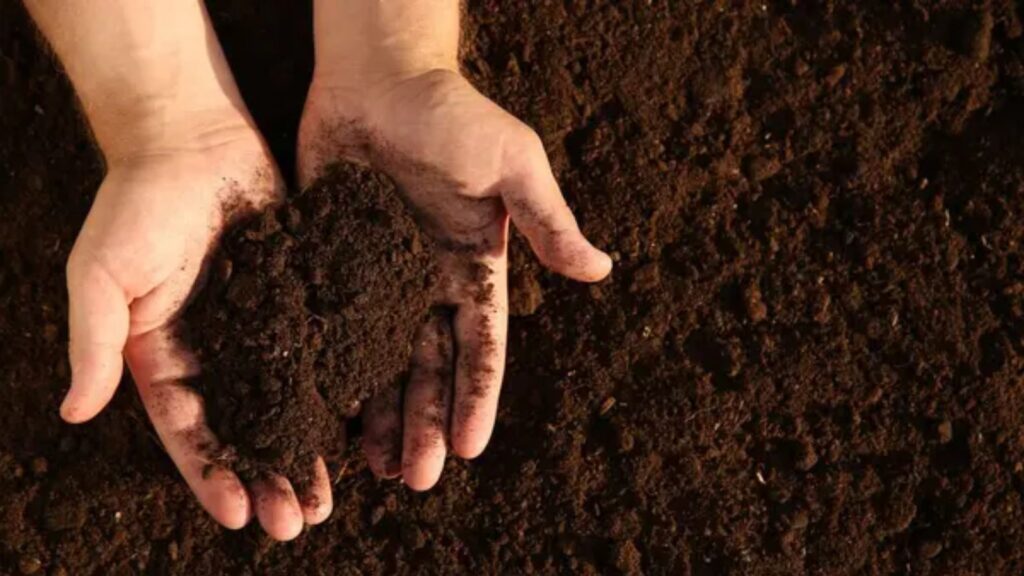
Good soil gives plants a much better place to grow. If the soil is compacted, lacking nutrients, or has the wrong pH, plants may struggle no matter how much water or sunlight they receive.
A basic soil test can tell you whether your soil is too acidic or alkaline and whether it needs certain nutrients. Adding compost is also a simple way to improve the soil and give plants more organic matter.
Rather than guessing what your garden needs, test the soil first and make changes based on the results.
Crowding Plants Together
It’s tempting to squeeze one more plant into an empty spot, especially when the garden is still young and everything looks small. The problem shows up later when those plants grow.
Crowded plants compete for sunlight, water, nutrients, and room for their roots. Poor air circulation can also make fungal diseases more likely.
Check the spacing recommendations on plant labels and seed packets before planting. Giving plants enough room may leave the garden looking a little sparse at first, but it will pay off once everything starts growing.
Related: 10 Scents That Bring The Coyotes To Your Yard
Planting at the Wrong Time
Planting too early or too late can make it much harder for plants to get established.
Every plant has its own preferred growing conditions. Some vegetables handle cool weather well, while others need warm soil before they can thrive. Perennials, shrubs, and trees also have better planting windows depending on your climate.
Check your local planting calendar before putting seeds or young plants in the ground. A little planning can save you from replacing plants that never had a fair chance.
Skipping Pruning
Pruning isn’t just about making bushes look neat. Removing dead, damaged, or diseased branches can help plants stay healthier and keep them from becoming overgrown.
Some shrubs and trees also need regular pruning to maintain their shape and encourage new growth. The timing matters, though, since pruning at the wrong time can interfere with flowering or new growth.
Learn what type of pruning your particular plant needs before reaching for the shears.
Related: 10 Plants That Help Keep Mosquitoes Out of Your Yard
Using Too Much Fertilizer
More fertilizer doesn’t mean faster or healthier growth. In fact, too much can damage roots and leaves and leave plants more vulnerable to pests and disease.
Overfertilized plants may grow quickly but develop weak, soft growth. Excess fertilizer can also wash into waterways and create other environmental problems.
Follow the directions on the fertilizer package and resist the temptation to add extra. If your plants are already growing well, they may need less fertilizer than you think.
Skipping Mulch
A layer of mulch can make garden maintenance much easier. It helps slow moisture loss, keeps soil temperatures more stable, and gives weeds fewer opportunities to take over.
Organic mulch can also break down over time and add material to the soil.
You don’t need to pile it several inches high around every plant. A few inches spread over the soil is usually enough. Keep mulch away from the base of trees and shrubs so moisture doesn’t stay against the stems or trunks.
Choosing Plants That Don’t Suit Your Climate
That beautiful plant at the nursery may look perfect, but that doesn’t mean it will survive in your yard.
Temperature, rainfall, humidity, sunlight, and winter conditions all affect whether a plant will thrive. A plant that does well in one region may struggle badly in another.
Check your local hardiness zone and growing conditions before buying. Native and well-adapted plants are often easier to care for because they are already suited to the conditions in your area.
Related: 10 Backyard Plants That Can Make Your Yard More Appealing to Snakes
Ignoring Pests
A few holes in a leaf may not seem like a big deal, but pest problems can get out of hand surprisingly fast.
Check your plants regularly for chewed leaves, sticky residue, discoloration, webs, or insects hiding under leaves. Catching a problem early is much easier than dealing with a major infestation later.
Before treating the entire garden, identify the pest first. Some insects are harmless, while others can actually help by eating common garden pests.
Letting Weeds Take Over
Weeds compete with your plants for water, sunlight, nutrients, and growing space. Leaving a few weeds alone may seem harmless, but they can produce seeds and spread before you know it.
Pull or remove weeds while they’re still young. It’s much easier to deal with a handful of small weeds than a garden bed covered in mature ones.
Mulch can also help reduce the amount of weeding you have to do throughout the season.
Relying Too Heavily on Chemical Pesticides
Reaching for pesticide at the first sign of an insect may seem like the quickest fix, but broad-spectrum products can also harm beneficial insects.
Ladybugs, lacewings, bees, and other helpful insects all play a role in a healthy garden. Before spraying, identify the pest and decide whether treatment is actually necessary.
Companion planting, hand-picking pests, physical barriers, and encouraging beneficial insects can sometimes solve the problem without spraying the entire garden.
Related: 12 Beneficial Insects You Want in Your Garden
Planting at the Wrong Depth
Planting depth matters more than many new gardeners realize. Put a plant too deep, and its roots may struggle to get enough oxygen. Plant it too shallow, and the roots can dry out or become exposed.
Seed packets and nursery tags usually provide planting-depth instructions. Follow those recommendations instead of assuming every seed or plant should go into the ground at the same depth.
Bulbs are another common example. Planting them too shallow can leave them vulnerable to temperature changes, while planting them too deep can interfere with growth.
Growing the Same Crop in the Same Spot Every Year
If you grow vegetables, moving crops around from year to year can help reduce certain pest and disease problems.
Planting the same crop in the same section repeatedly can also drain certain nutrients from the soil. Crop rotation gives you a chance to spread out those demands.
For example, instead of planting tomatoes in the same bed every year, rotate them with crops from different plant families.
You don’t need a complicated system. Even a basic garden map can help you keep track of where everything was planted.
Forgetting to Deadhead Flowers
Once flowers fade, leaving them on the plant can sometimes signal that it’s time to produce seeds rather than more flowers.
Deadheading means removing spent blooms before they go to seed. For many flowering plants, this can encourage the plant to keep producing flowers throughout the growing season.
It’s also an easy way to keep flower beds looking tidy. Just make sure you know whether your particular plant benefits from deadheading, since some plants are better left alone.
Neglecting Your Gardening Tools
Your plants aren’t the only things that need regular care. Dirty, rusty, or dull gardening tools can make basic jobs much harder.
Clean soil and plant debris from pruners, shears, shovels, and other tools after using them. Keep cutting tools sharp so they make clean cuts instead of crushing stems and branches.
A little tool maintenance can also help prevent the spread of plant diseases. If you’ve been cutting diseased branches, clean your tools before using them on healthy plants.
Gardening doesn’t have to be perfect. Most yards have a few weeds, a plant that didn’t make it, or a spot that needs some extra attention. The key is catching small problems before they turn into bigger ones.
Pay attention to where you plant, give your soil some care, watch for pests, and keep up with basic maintenance. Those simple habits can make a noticeable difference in how your garden looks and how well your plants grow.