
If your furniture seems to be wearing out faster than it should, your everyday habits could be part of the problem. The little things you do without thinking, such as setting a drink directly on a table or dragging a chair across the floor, can slowly cause damage.
Over time, these habits can leave your sofa sagging, your table scratched, or your favorite chair looking much older than it really is. Some problems are easy to fix, while others can shorten the life of a piece altogether.
Here are 13 common habits that could be taking a toll on your home’s furniture, plus a few simple ways to stop the damage.
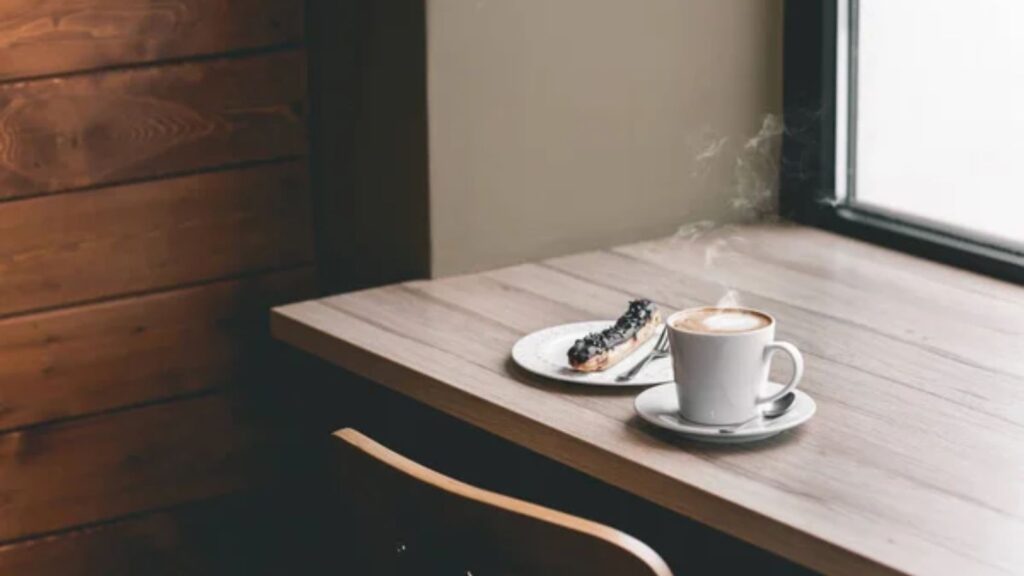
Leaving Drinks Without Coasters
It’s easy to set your coffee or glass of water on the table and forget about it. The trouble starts when condensation collects underneath the glass. Over time, those moisture rings can stain the finish or leave marks that are difficult to remove.
Keep a few coasters on your coffee and dining tables so they’re always within reach. It also helps to make them part of the routine for everyone in the house.
Related: 15 Common Kitchen Habits You Should Stop Right Away
Eating on the Couch
Dinner and movie night can go hand in hand, but eating on the sofa can leave behind more than a few crumbs. Food can slip between cushions, spills can soak into upholstery, and lingering bits of food may attract insects.
If you like having snacks on the couch, keep a small vacuum or handheld cleaner nearby and deal with spills as soon as they happen. For larger messes, these simple ways to remove stubborn stains can also come in handy.
Dragging Furniture Across the Floor
Moving a sofa or table by dragging it across the floor might seem like the quickest option, but it can cause damage to both the furniture and your flooring. The force can scratch floors, loosen joints, bend legs, or even crack certain pieces.
If you need to move something heavy, get another person to help lift it. Furniture sliders can also make rearranging a room much easier without putting as much stress on the legs and joints.
Related: 15 Smart Ideas for Repurposing Old Furniture
Never Rotating Cushions
If you always sit in the same spot on the couch, that area is going to take most of the wear. The foam or filling inside the cushion can become compressed, leaving one section noticeably flatter than the rest.
Rotate and flip removable cushions every so often, following the manufacturer’s instructions. Spreading out the daily use can help cushions keep their shape for longer.
Skipping Regular Cleaning
Dust may seem harmless, but it can build up on furniture and act like fine grit when it gets rubbed across a surface. Over time, that can leave wood, leather, and other finishes looking dull or scratched.
A quick weekly dusting or vacuuming can make a big difference. Pay attention to areas that tend to get overlooked, including underneath cushions, along seams, and around table legs.
Leaving Furniture in Direct Sunlight
A sunny room can look beautiful, but constant exposure to sunlight can be rough on furniture. UV rays can fade upholstery and dry out certain materials. Wood finishes can also change color after years of exposure.
According to Color Glo International, sunlight can contribute to fading and discoloration.
If a piece sits directly in front of a sunny window, consider moving it or using curtains or blinds during the brightest part of the day.
Related: 13 Easy Ways to Remove Scratches From Wood Furniture
Ignoring the Manufacturer’s Care Instructions
Those little care tags and instruction sheets that come with furniture are easy to toss aside. They can save you from making an expensive cleaning mistake, though.
Different materials need different types of care. A cleaner that works on one sofa may damage another, and a product that’s fine for finished wood may be too harsh for an unfinished surface. Check the manufacturer’s instructions before using a new cleaning product or treatment.
Sitting on the Armrests
Armrests may be comfortable places to lean, but they aren’t built to hold the same weight as a seat. Sitting on them repeatedly can put stress on the frame, joints, and hardware.
Over time, that extra pressure can cause an armrest to loosen, bend, or break. Use the seat for sitting and keep the armrests for what they were made for: resting your arms.
Overloading Shelves
A shelf can hold quite a collection of books, decorations, and family photos, but every shelf has a weight limit. Piling on too many heavy items can cause it to bow in the middle or weaken the mounting hardware.
Particleboard and some types of wood can also bend under a heavy load over time. Check the shelf’s weight rating and spread heavier objects across the available space instead of putting everything in one spot.
Letting Pets Climb or Scratch
Pets are part of the family, but they can be tough on furniture. Dogs can bring muddy paws onto sofas and chairs, while cats may scratch upholstery or use furniture legs as scratching posts.
Regular grooming can help reduce hair and dirt, while washable covers can protect sofas and chairs. For cats, keeping a scratching post close to the furniture they target can give them a better place to work out those claws.
Using Harsh Cleaning Products
A cleaner that cuts through grease on your kitchen counter may be far too strong for your furniture. Harsh products can strip finishes, discolor upholstery, or leave marks on delicate surfaces.
Check the care instructions for each piece before reaching for a cleaning solution. A soft cloth and a cleaner made for the specific material are often a much safer choice.
Cramming Too Much Furniture Into a Room
Furniture needs a little breathing room. When sofas, tables, chairs, and cabinets are packed tightly together, they’re more likely to bump into each other or get scratched whenever someone walks through the room.
Crowded rooms also make it harder to move furniture safely. Leave enough space between pieces for people to walk around comfortably and for doors, drawers, and cabinets to open without hitting anything.
Never Checking Screws and Bolts
Furniture hardware can loosen after years of regular use. A chair may start to wobble, a table might rock from side to side, or a cabinet could begin to feel less secure.
Latvia Outdoor Furniture notes that repeated use can gradually loosen bolts and hardware.
Give screws, bolts, and other fasteners a quick check every so often. Tightening loose hardware early can keep a small problem from turning into a broken chair or damaged table.