If you’ve ever wondered why your furniture isn’t living up to its time, it might be time to start examining your daily habits. Small, day-to-day activities can wear and tear on your furniture considerably. If you let these seemingly harmless behaviors go on for too long, your beloved couch can soon become an eyesore, or your solid wooden table a scratched-up mess.
In this article, we are going to look at some of the most common bad habits that are probably sabotaging your home’s furniture.
Place Drinks Without Coasters
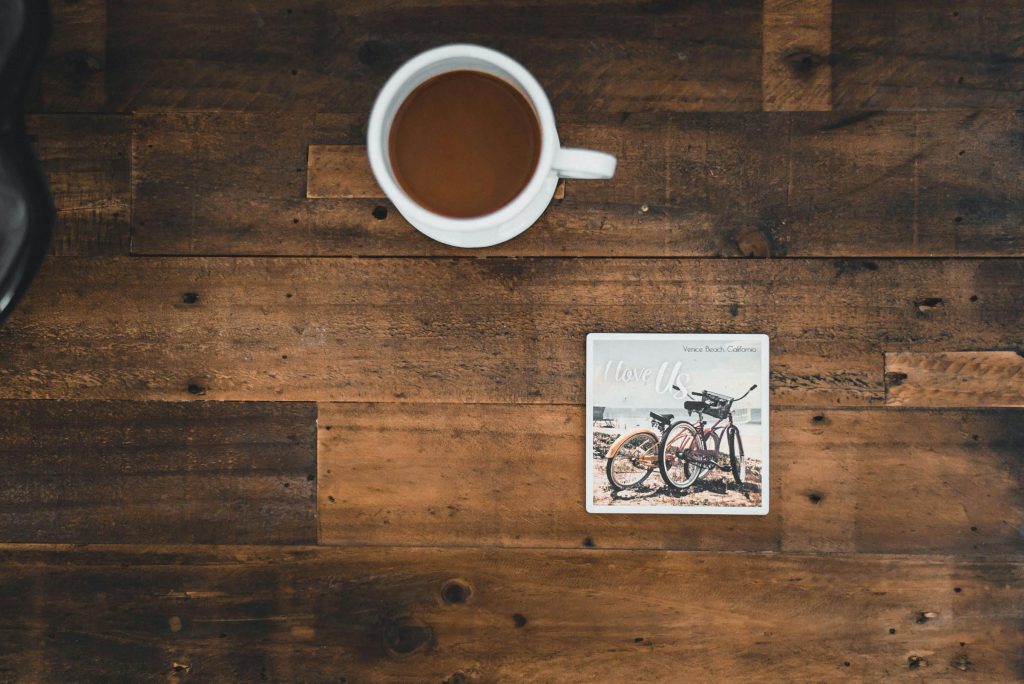
It’s something we’ve all done: set a drink down on the coffee table without a thought. However, those little rings of condensation from your glass can get into the wood and leave unsightly marks that are hard to remove. These water stains can even damage the finish of the table over time. The simple fix? Have coasters on hand, and practice (and teach your guests) to always use them.
Eating on the Couch

While snuggling into the couch while you enjoy your dinner might appear cozy, the crumbs and spills can paint a different picture. And cushions can hold bits of food that may invite pests, or create odors when water gets in. The longer spills sit, the harder it is to remove stains that may have occurred. Dine at a table and, when you can’t contain a snack on the sofa, keep it ultra tidy and clean everything immediately.
Furniture Dragging As It Runs Across the Floor

Dragging furniture to move it can be all too tempting, especially when you are rearranging a room or cleaning. However, this habit can do more than just make your floors scratch; it can also weaken the joints in your furniture or make the legs bend or break. Lift furniture properly or use furniture sliders so you have the extra time.
Not Rotating Cushions

Are you sitting in the same spot on the couch every time? That favorite spot will wear out faster than the rest of the sofa, without rotating your cushions. If left unchecked over time, the foam or stuffing inside the cushion will compress unevenly and will create sagging. Turn and flip your cushions regularly to spread the wear around.
Skipping Regular Cleaning
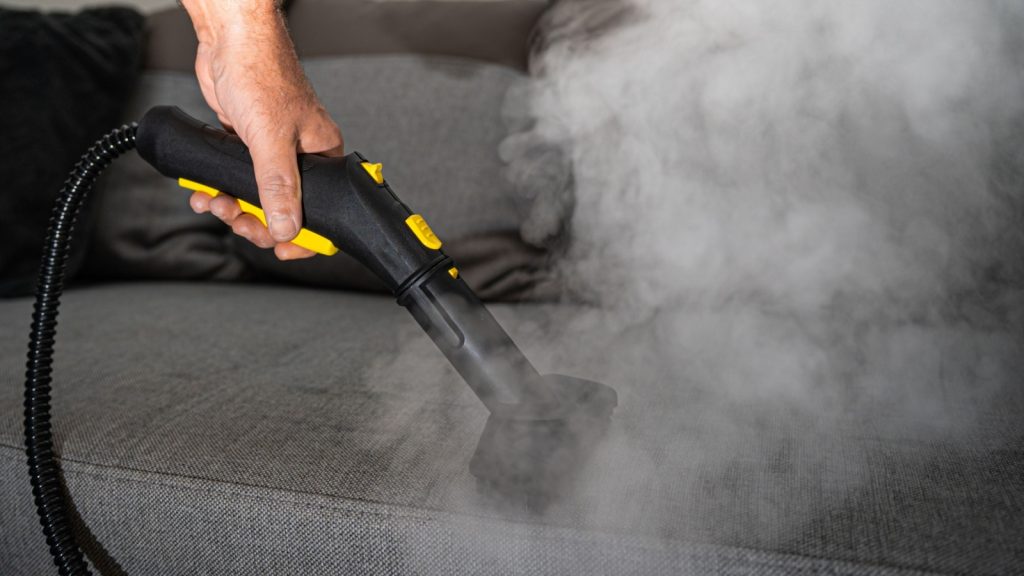
When it comes to hard-to-reach places, such as furniture, dust and grime can usually build up over time. While it may seem as though an occasional wipe down is all that’s needed, dirt and dust actually are abrasive and, if left to sit long enough, will scratch and wear away surfaces over time. In order to keep your furniture looking its best, make sure you also make regular cleaning part of your routine. Vacuum or dust once a week, and you will be amazed at what you can do.
Direct Sunlight Exposure

If you have furniture sitting in direct sunlight, it’s probably fading much quicker than you realize, as this Color Glo International article informs. Not only can fabrics be bleached, leather dried out, and wooden furniture warped by prolonged exposure to sunlight. If you want to keep your pieces looking vibrant, drawing the curtains or blinds during peak sunlight hours or rearranging your room so the sunlight isn’t directly hitting your furniture can help.
Disregard Manufacturer’s Care Instructions

A lot of us ignore the little care tags that come with new furniture, but there’s a reason for them. Each material requires different care, and what’s good for one piece might be bad for another. The manufacturer’s recommendations make it easy to spend some time extending your furniture’s life so that accidental damage resulting from wrong cleaning or care techniques does not happen.
Sitting on the Armrests
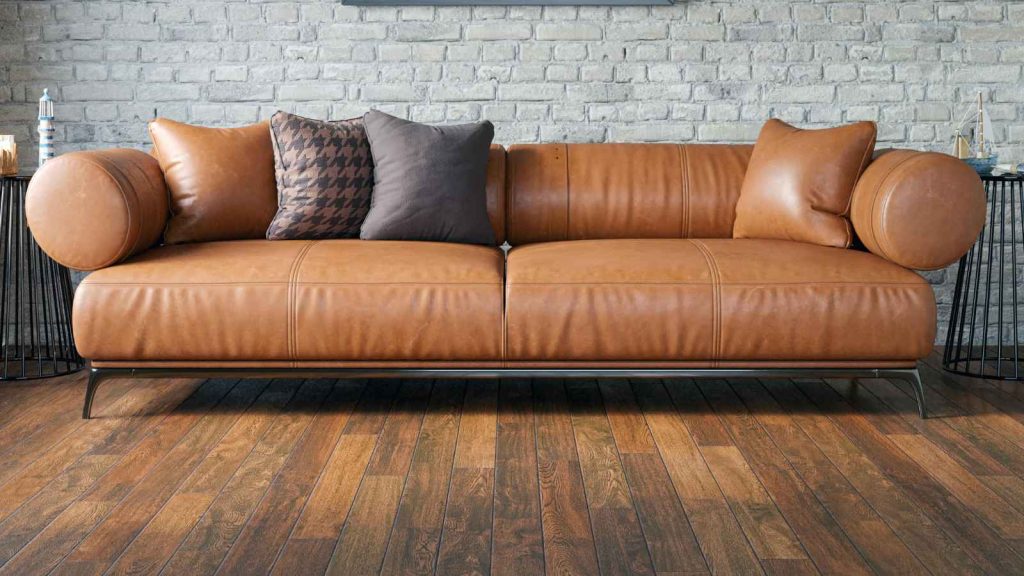
Most people just sit on the armrests of your chairs and sofas, but they’re not built to support your full weight. If this is done too often over time, it can end up weakening and bending, and in the worst case, breaking the structure of the screw. Instead, stick to sitting where the furniture was designed to support you: the seat.
Overloading Shelves

We all love to display our favorite books, our knick-knacks, our photos, but loading shelves up can cause them to bow or break. Of course, even if they hold up under the weight, wood or particleboard shelves may eventually warp. Keep in mind that the weight limit is far more than a suggestion, and if you’re looking to put heavier items on the shelves, you may need to reinforce them.
Letting Pets Climb or Scratch

From muddy paws jumping onto the couch to cats using the armchair as a scratching post, pets can be tough on furniture. They can wear down fabrics, leave behind unpleasant smells, or even leave pet hair and claws. If possible, train your pets not to get on the furniture, or buy easy-to-clean or change pet-friendly covers.
Using Harsh Cleaning Products
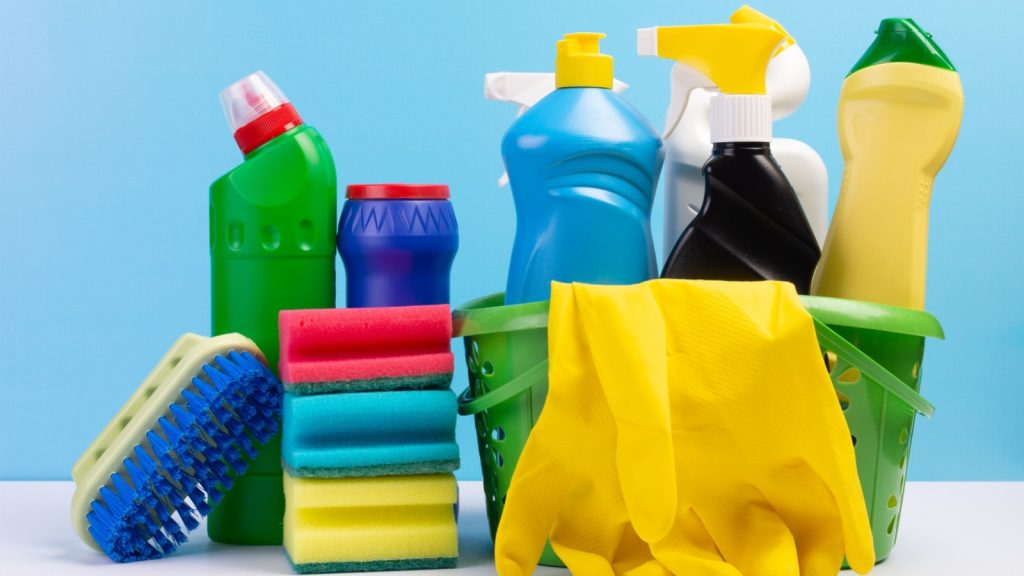
Not all cleaning products are furniture-friendly. Finish stripping can be harsh on other finishes, it can discolor fabrics, or damage delicate surfaces. It’s best to use mild, nonabrasive cleaners made for the material you’re cleaning your furniture with. Little gentle care goes a long way in keeping your furniture looking like new.
Overcrowding Furniture
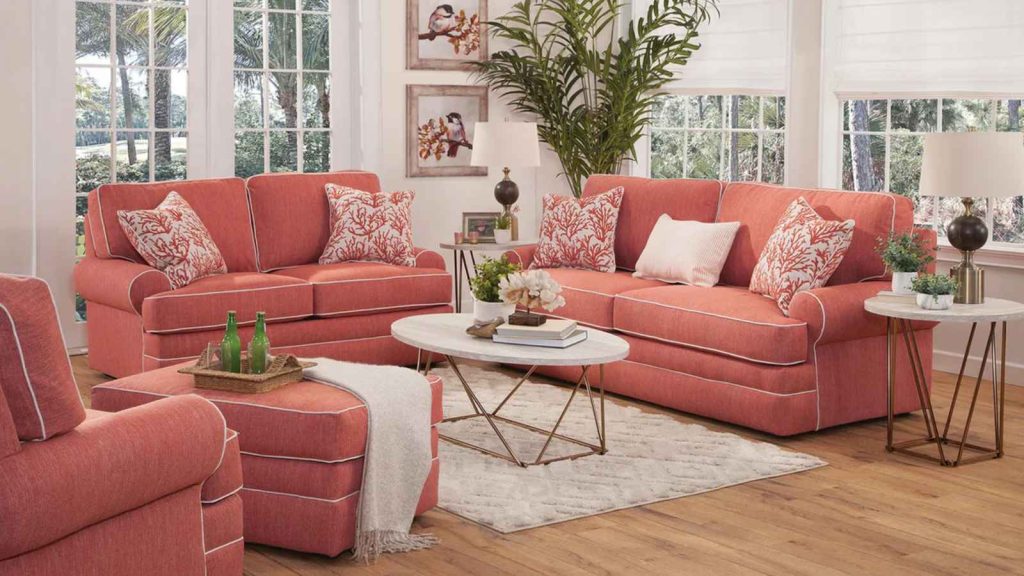
You also do not want to cram too many pieces of furniture in too small a space, only to have these items accidentally bump and scrape, and damage each other as a consequence. Furniture that’s too close together is easy to knock over or scuff when trying to move around. Don’t give your furniture too little space to breathe and be appreciated, or you’ll wear it out for nothing.
Not Re-tightening the Screws and Bolts

Chairs, tables, or other pieces of furniture, screws, and bolts can get loose over time, as Latvia Outdoor Furniture attests. If you ignore this, your furniture will wobble or, worse, fall apart. Keep your furniture stable and secure by periodically checking (and tightening, if needed) loose hardware.